
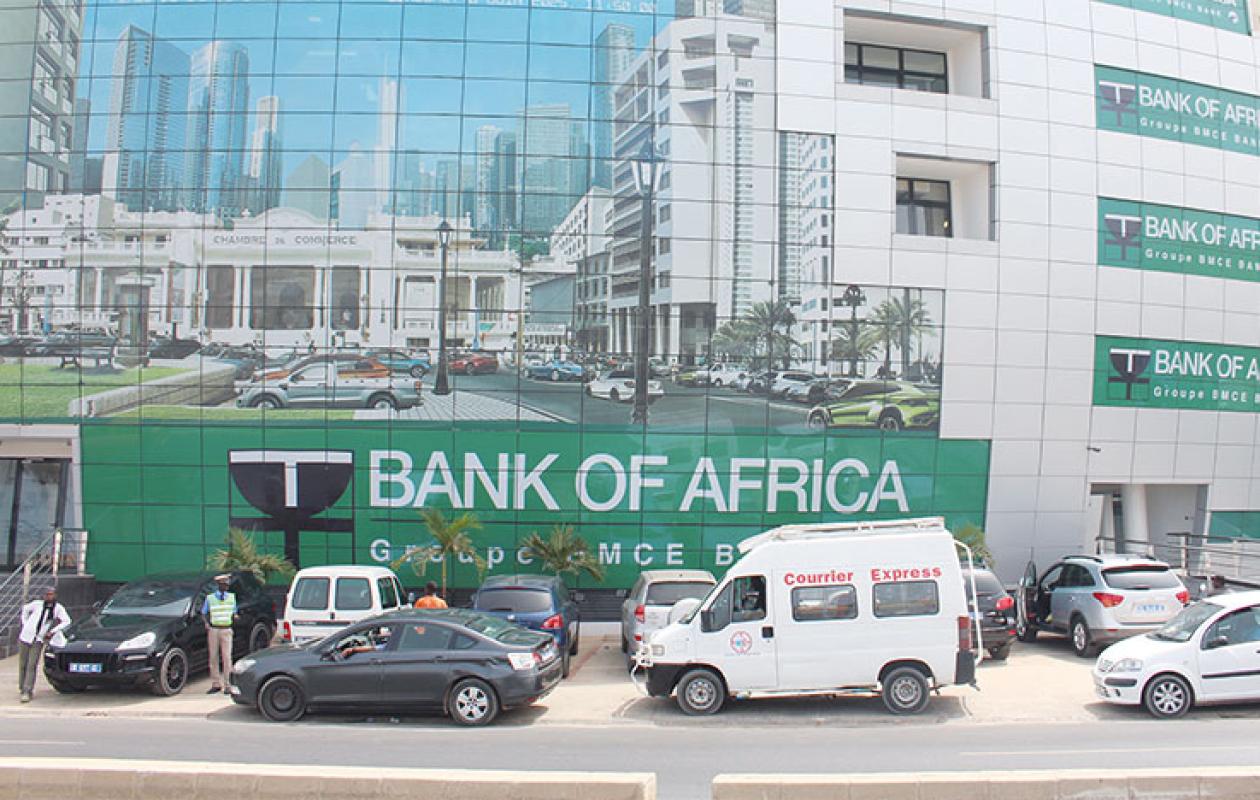
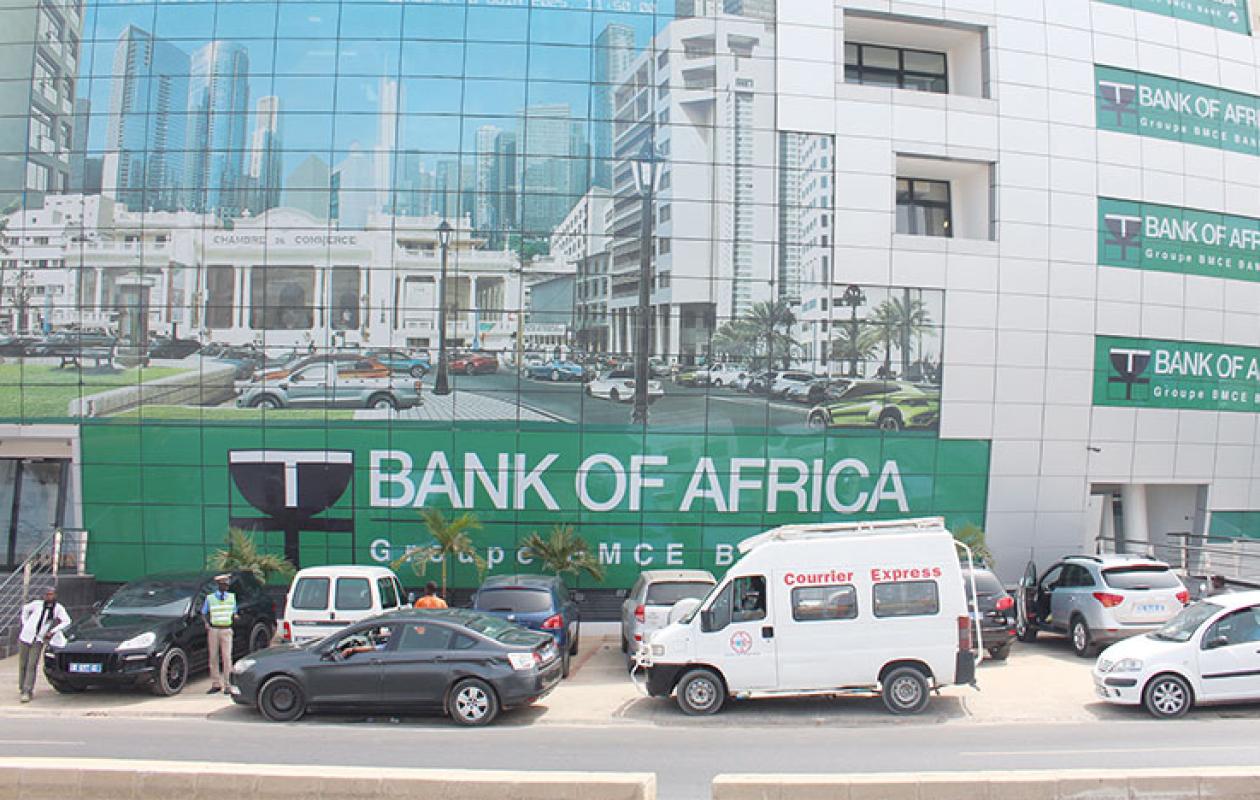
Finances publiques : Entre inflation et dettes massives, la BCEAO marche sur des œufs
Monetary policy is supposed to pursue a clear objective: maintaining price stability and preserving confidence in the currency. But in certain situations, the budgetary needs of governments become so significant that they end up influencing the central bank's decisions. This phenomenon is known as fiscal dominance.
Fiscal dominance arises when public deficits, debt burdens, or financing difficulties force the central bank to adjust its policy to avoid a fiscal crisis. Instead of setting interest rates solely based on inflation or growth, it may be compelled to consider the financing needs of governments.
In the WAEMU, this issue is becoming increasingly important with the rise in public debt. The region's member states borrow heavily on the regional market and rely heavily on local banks to finance their deficits. If interest rates rise too rapidly, the cost of debt servicing also increases, further complicating budgetary balances.
The BCEAO must therefore find a delicate balance. Raising interest rates sharply would help contain a potential rise in inflation, but it would also increase the cost of public debt issuance and weaken already heavily indebted states. Conversely, maintaining relatively low rates facilitates budget financing, but could fuel excessive credit growth, encourage financial imbalances, and reduce the effectiveness of the fight against inflation.
This situation is particularly evident when commercial banks favor government bonds over loans to the private sector. The more governments borrow, the more sovereign debt banks buy. The central bank may then be forced to provide more liquidity to the banking system to prevent a market freeze.
In several regions of the world, fiscal dominance has sometimes led to a loss of credibility for central banks. When investors believe that a central bank is indirectly financing public deficits or is hesitant to raise interest rates for fear of increasing debt, they may doubt its ability to control inflation.
For now, the BCEAO maintains relatively strong credibility thanks to moderate inflation and a stable monetary framework. However, the rise in public debt and the growing role of member states in the regional market are making this issue increasingly sensitive. The more public finances are under pressure, the more difficult it will be to clearly separate fiscal and monetary policy.






















Commentaires (0)
Participer à la Discussion
Règles de la communauté :
💡 Astuce : Utilisez des emojis depuis votre téléphone ou le module emoji ci-dessous. Cliquez sur GIF pour ajouter un GIF animé. Collez un lien X/Twitter, TikTok ou Instagram pour l'afficher automatiquement.