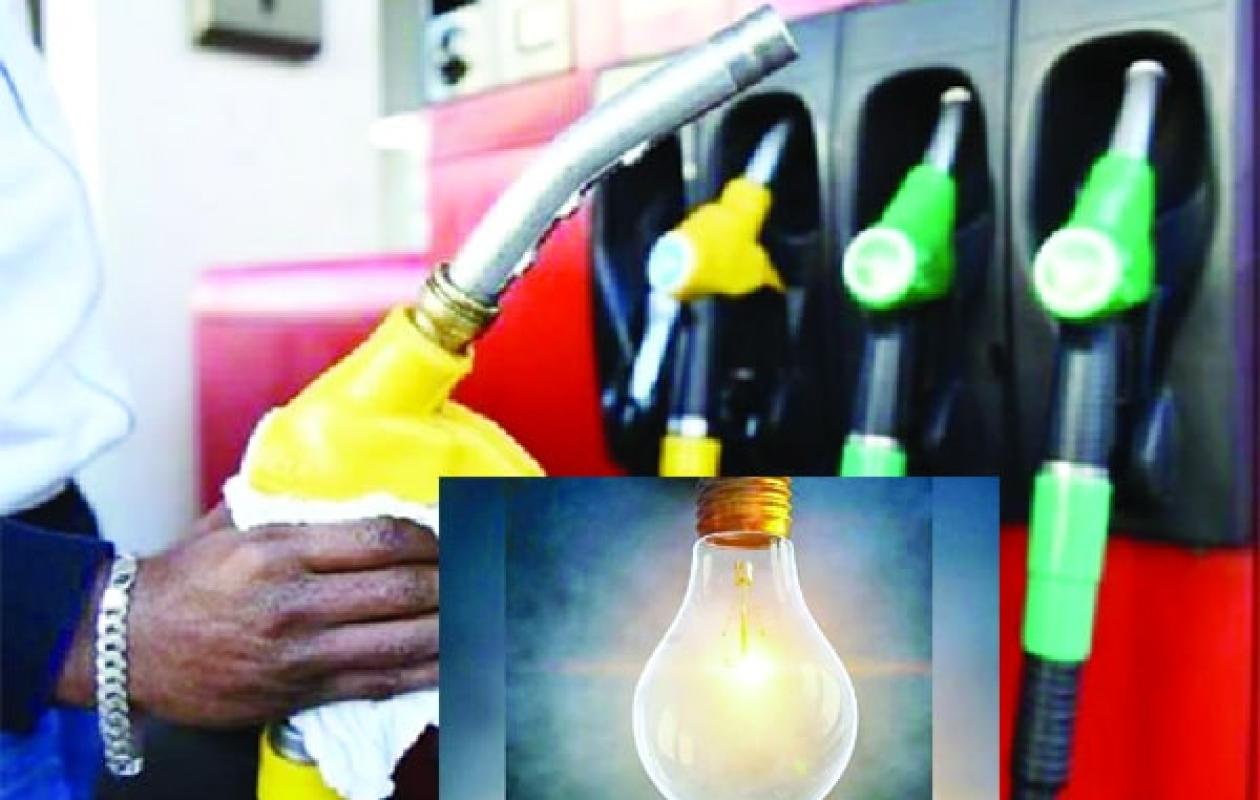
Subventions publiques : filet social nécessaire ou dérive budgétaire silencieuse
In many African countries, subsidies for fuel, electricity, or food are presented as a bulwark against the erosion of purchasing power. They aim to cushion the impact of rising global prices on households and to preserve a form of social stability. Yet, behind this protective function lies a budgetary mechanism with profound, often underestimated implications.
Figures published by the International Monetary Fund (IMF) show that in sub-Saharan Africa, explicit energy subsidies have averaged between 1.5% and 3% of gross domestic product in recent years, with much higher peaks in some oil-importing countries during the price surges of 2022 and 2023. In economies where tax revenues rarely exceed 15% to 20% of GDP, devoting several points of national wealth to generalized transfers reduces the margins to finance health, education or infrastructure.
The social argument is nonetheless valid. When international energy or grain prices rise sharply, as they did during the war in Ukraine, the poorest households are the first to be affected. The World Bank estimated in 2022 that rising food prices had pushed millions more people into food insecurity in Africa. In this context, abruptly removing subsidies can provoke intense social unrest and weaken national cohesion.
The difficulty lies in targeting. Studies by the IMF and the World Bank converge on one point: universal fuel subsidies disproportionately benefit wealthier households, who consume more energy and own more vehicles. In several West African countries, the richest 20% receive a significantly larger share than the poorest 20%. In other words, a measure designed to protect the most vulnerable ends up also, or even primarily, supporting already privileged groups.
The macroeconomic impact is not limited to the budget deficit. When subsidies are financed by debt, they fuel a public debt dynamic that is more difficult to stabilize. In contexts where the debt-to-GDP ratio sometimes exceeds 70% or 80%, each additional percentage point of spending not financed by sustainable revenue increases financial fragility. Rating agencies and investors closely monitor these trajectories, which can increase the cost of sovereign financing.
However, portraying subsidies as a mere budgetary time bomb obscures their function as a social stabilizer. The issue is not so much their existence as their structure. Several countries have undertaken gradual reforms, replacing generalized subsidies with targeted cash transfers or mechanisms for partial price indexation. The goal is to maintain support for vulnerable households while reducing the overall cost to public finances.
The debate therefore goes beyond the opposition between social protection and budgetary austerity. It concerns the ability of states to accurately identify beneficiaries, to maintain reliable social registries, and to communicate clearly about the trade-offs made. Without robust statistical tools and institutional trust, any reform becomes politically sensitive.
Subsidies can be a useful buffer during times of shock. However, they can also become a lasting burden if they are neither temporary nor targeted. The challenge for African economies is to transform these mechanisms into effective social policy instruments that are compatible with the sustainability of public finances and a long-term development strategy.




















Commentaires (4)
Participer à la Discussion
Règles de la communauté
💡 Astuce : Utilisez des emojis depuis votre téléphone ou le module emoji ci-dessous. Cliquez sur GIF pour ajouter un GIF animé. Collez un lien X/Twitter, TikTok ou Instagram pour l'afficher automatiquement.
Se connecter
Commentez avec votre profil, votre photo, et soyez averti des réponses.