
La règle des 3 % dans l’UEMOA : discipline salutaire ou verrou budgétaire ?
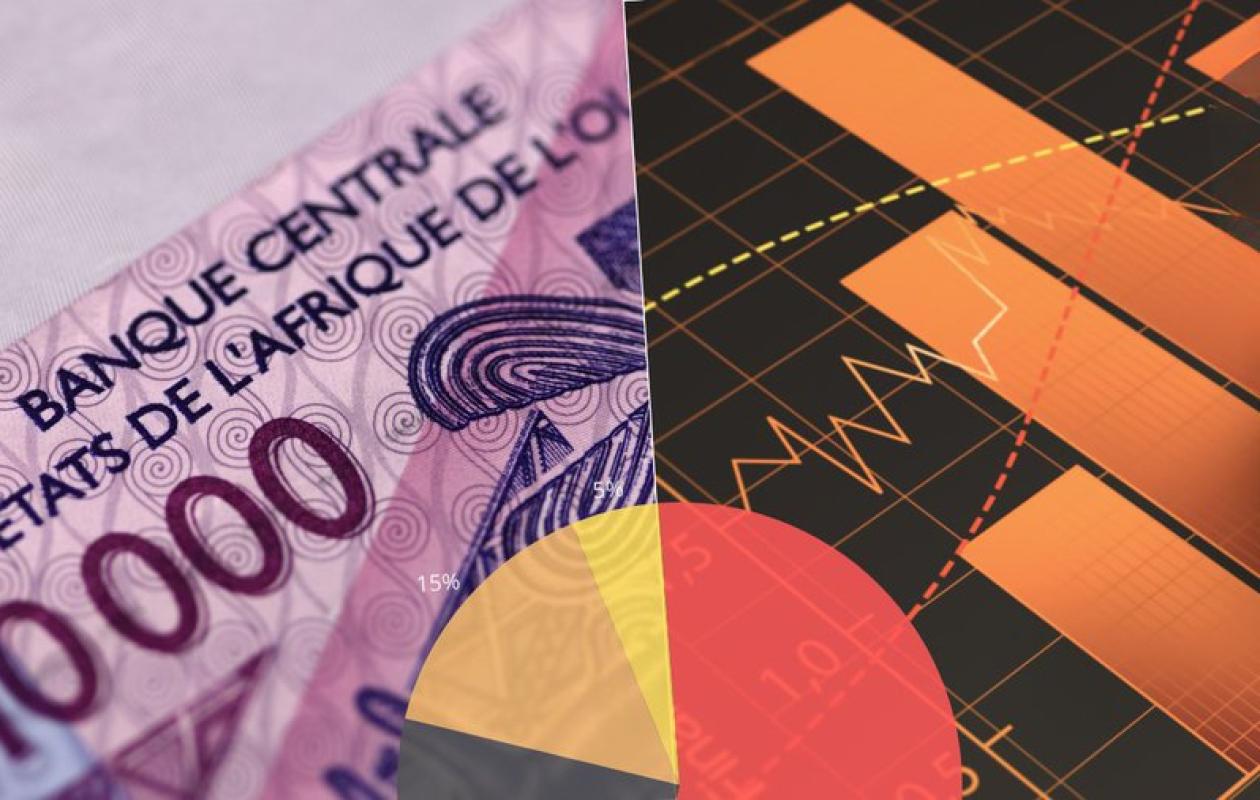
Within the West African Economic and Monetary Union, the community standard that caps the public deficit at 3% of gross domestic product is part of a logic of collective stability. It aims to prevent budgetary excesses that could undermine confidence in the common currency and weaken the entire zone. In a region characterized by a centralized monetary policy and a fixed exchange rate regime, fiscal discipline is one of the main instruments of macroeconomic coherence.
This rule addresses a tangible concern. High deficits, financed by debt, can put pressure on regional financial markets, increase the cost of credit, and weaken the external credibility of Member States. By setting a common threshold, the Union seeks to prevent excessive imbalances and ensure a trajectory compatible with debt sustainability. The 3% rule thus acts as a signal to investors, technical partners, and rating agencies, demonstrating a shared commitment to fiscal prudence.
However, the uniform application of this rule raises questions in economies facing massive needs for infrastructure, social services, and productive transformation. Member states must finance education, healthcare, energy, and transportation in contexts of rapid population growth and vulnerability to external shocks. When tax revenues remain limited, strict adherence to the spending cap can lead to the postponement of certain key infrastructure investments or reductions in critical social spending.
The constraint is all the more noticeable given that the EU economies remain exposed to external risks such as commodity price volatility, climate variations, and international financial cycles. In these circumstances, fiscal policy plays a buffering role. An overly rigid framework can restrict governments' ability to support economic activity during a downturn or to mobilize exceptional resources in response to an emergency.
The issue, therefore, is not one of opposing discipline and development, but rather one of examining the relationship between stability and flexibility. A credible framework strengthens confidence and limits excesses, but it benefits from incorporating adjustment mechanisms that take into account economic cycles and the quality of the expenditures undertaken. The ability to distinguish deficits related to current consumption from those devoted to productive investment remains central to assessing sustainability.
The 3% rule remains an essential anchor within a monetary union. However, it does not exhaust the debate on managing public finances in economies undergoing transformation. The challenge lies in finding a balance between collective discipline and national policy space, so that stability does not translate into a lasting weakening of investment and growth capacity.








![[EXCLUSIF] Affaire PCD : Le cap des 100 arrestations franchi, le téléphone d'Ass Dione accable le fils d'un grand marabout](https://image.seneweb.com/content/news/2026-20-13//thumb_1260x800_6a04a22c82a84_ACA7PLyDxC.jpg)












Commentaires (0)
Participer à la Discussion
Règles de la communauté :
💡 Astuce : Utilisez des emojis depuis votre téléphone ou le module emoji ci-dessous. Cliquez sur GIF pour ajouter un GIF animé. Collez un lien X/Twitter, TikTok ou Instagram pour l'afficher automatiquement.