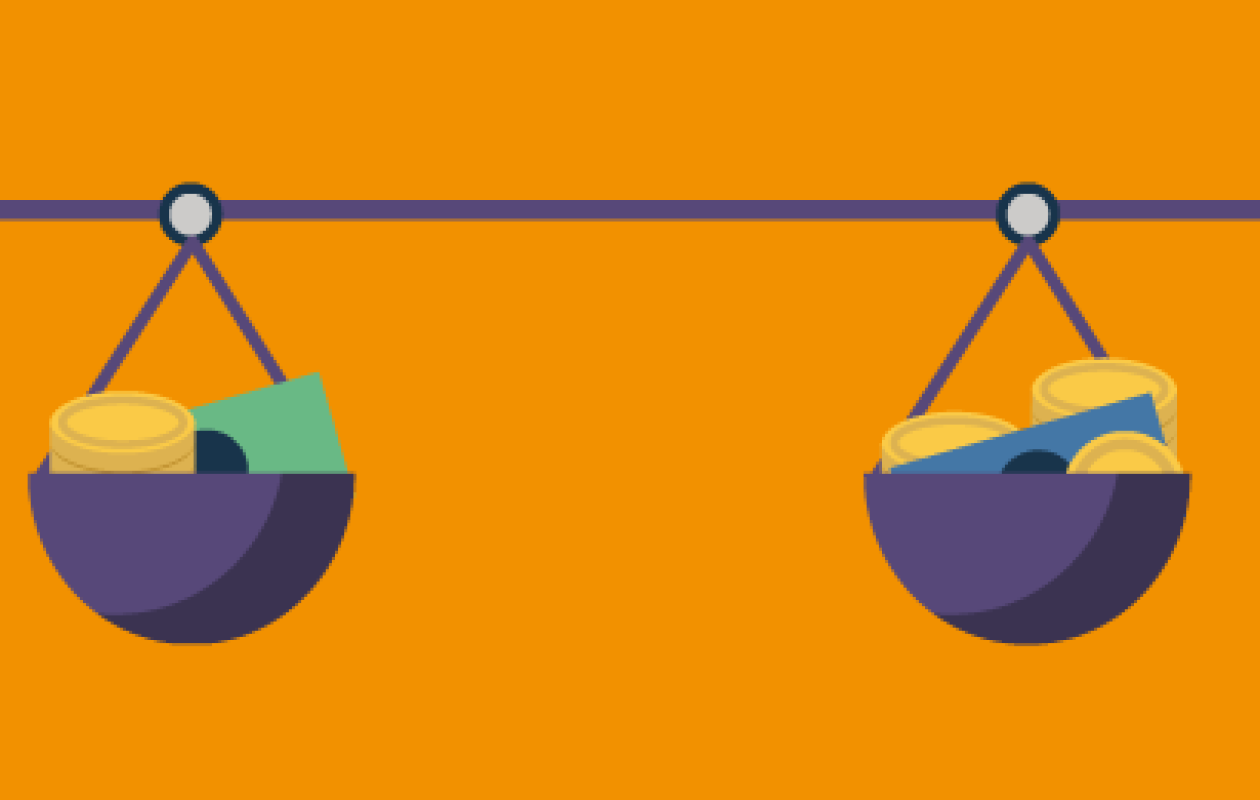
La balance des paiements, ce baromètre extérieur qui en dit parfois plus long que le PIB
Gross domestic product (GDP) takes center stage when assessing a country's performance. Yet, behind a flattering growth rate, deeper fragility may be lurking. The balance of payments, which tracks all transactions between an economy and the rest of the world, often offers a more decisive insight into macroeconomic strength. It reveals a country's ability to finance its imports, meet its external obligations, and attract sustainable capital.
A rising GDP can coexist with a persistent external deficit. When imports of goods, services, and capital significantly exceed exports, the country must bridge the gap by borrowing or drawing on its foreign exchange reserves. In several African economies, the current account deficit regularly exceeds 5% of GDP. This imbalance is not necessarily alarming in the short term, but it becomes problematic if it persists without a corresponding increase in productive output.
The balance of payments comprises, in particular, the current account, which includes trade in goods and services as well as transfers, and the financial account, which records capital flows. An economy can exhibit sustained growth thanks to massive public investment financed by external borrowing. If these capital flows dry up or if international financial conditions worsen, the situation quickly reverses. The 1997 Asian financial crisis, or more recently, the difficulties encountered by some emerging economies, illustrate this mechanism. Domestic growth is insufficient when the external position is vulnerable.
In West Africa, economies remain heavily dependent on food, energy, and manufactured goods imports. Fluctuations in global prices directly impact the trade balance. A rise in oil or grain prices can widen the trade deficit even if domestic production increases. Under these conditions, stability depends less on GDP size than on the ability to generate diversified export revenues and maintain adequate levels of foreign exchange reserves.
The balance of payments also plays a central role in the confidence of markets and financial partners. A large deficit financed by short-term capital exposes the economy to sudden outflows of funds. Conversely, foreign direct investment or remittances from the diaspora provide more stable financing. Rating agencies and lenders closely examine these indicators, as they reflect external sustainability, just like public debt.
The prominence of GDP in public debate tends to obscure this external dimension. An economy can grow rapidly while accumulating imbalances that ultimately weigh on the currency, reserves, and financial stability. The balance of payments acts as a silent indicator. It reminds us that no sustainable expansion can escape external constraints and that true economic strength is measured as much internally as at the interface with the world.



















Commentaires (3)
Participer à la Discussion
Règles de la communauté :
💡 Astuce : Utilisez des emojis depuis votre téléphone ou le module emoji ci-dessous. Cliquez sur GIF pour ajouter un GIF animé. Collez un lien X/Twitter, TikTok ou Instagram pour l'afficher automatiquement.