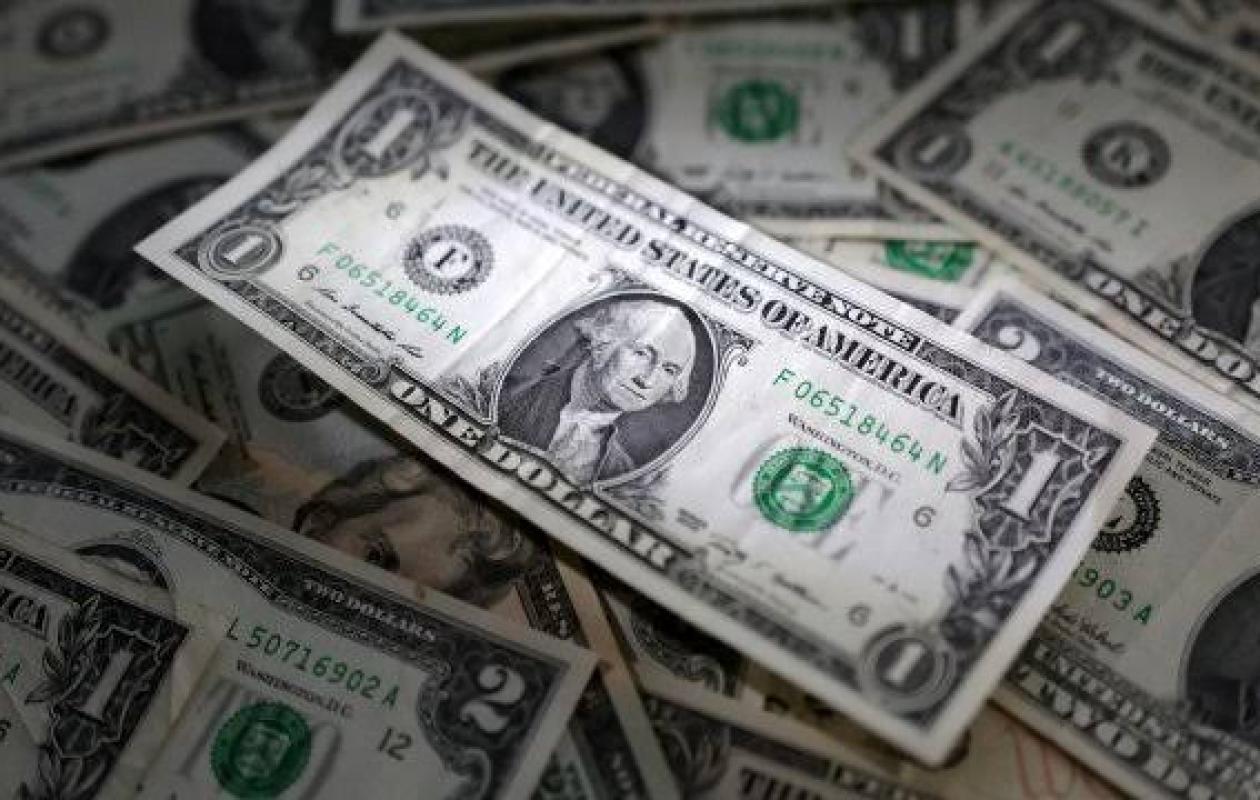
Le dollar comme valeur refuge : impacts sur la transmission monétaire
Officially, most African countries have their own currency, sometimes even regional blocs with shared central banks. In everyday practice, the US dollar and, to a lesser extent, the euro play a central role in the economic decisions of both households and businesses. This silent coexistence of national currencies and foreign currencies shapes a de facto dollarization, pervasive yet profound, which is reshaping the true contours of monetary sovereignty on the continent.
In many African capitals, savings are readily held in dollars or euros. Rents, real estate transactions, some commercial contracts, and even school fees are sometimes denominated in foreign currency, even when the law mandates the use of the local currency. This preference is not simply a matter of imitation. It is rooted in repeated experiences of high inflation, sharp depreciations, and currency crises that have eroded confidence in national unity over the decades.
For economic actors, the reasoning is pragmatic. Holding an international currency helps preserve purchasing power and secure trade, particularly in economies heavily dependent on imports. The dollar has become an informal safe haven, a protective measure against uncertainty. The World Bank points out that this partial dollarization is often more pronounced in countries that have experienced prolonged periods of macroeconomic instability or weak exchange controls.
This individual choice, however, has significant collective effects. When economic agents favor foreign currencies, local monetary policy loses its influence. Key interest rates have less impact on saving and borrowing behavior, money creation partially circulates outside the domestic system, and central banks see their capacity for action diminish. The International Monetary Fund observes that in highly dollarized economies, monetary adjustment becomes slower and less predictable, particularly during periods of external stress.
Dependence on foreign currencies also exposes these economies to shocks from elsewhere. An appreciation of the dollar, decided by the US Federal Reserve to address domestic priorities, can abruptly increase the cost of debt, imports, and rents denominated in foreign currency. This phenomenon transfers a portion of monetary power outside the continent, without public debate or democratic oversight, at the mercy of global financial cycles.
African monetary authorities are attempting to stem this trend through macroeconomic stabilization strategies, strengthening fiscal frameworks, and developing local financial markets. Some central banks are enhancing transparency and independence to restore confidence in their national currencies. Experience shows, however, that dedollarization cannot be decreed. It is a gradual process, built through controlled inflation, strong institutions, and sustainable predictability of economic policies. Moreover, international experience demonstrates that it is a lengthy process requiring enhanced institutional credibility.
The de facto dollarization of the economy serves as a reminder that monetary sovereignty is not limited to the existence of a banknote or a central bank. It is played out in the daily choices of citizens, in the contracts they sign, and in the currency they deem trustworthy. As long as the dollar and the euro remain the default safe havens for savings and trade, African monetary autonomy will remain partial, fragile, and constantly negotiated against the backdrop of economic realities.


















Commentaires (4)
Participer à la Discussion
Règles de la communauté
💡 Astuce : Utilisez des emojis depuis votre téléphone ou le module emoji ci-dessous. Cliquez sur GIF pour ajouter un GIF animé. Collez un lien X/Twitter, TikTok ou Instagram pour l'afficher automatiquement.
Se connecter
Commentez avec votre profil, votre photo, et soyez averti des réponses.