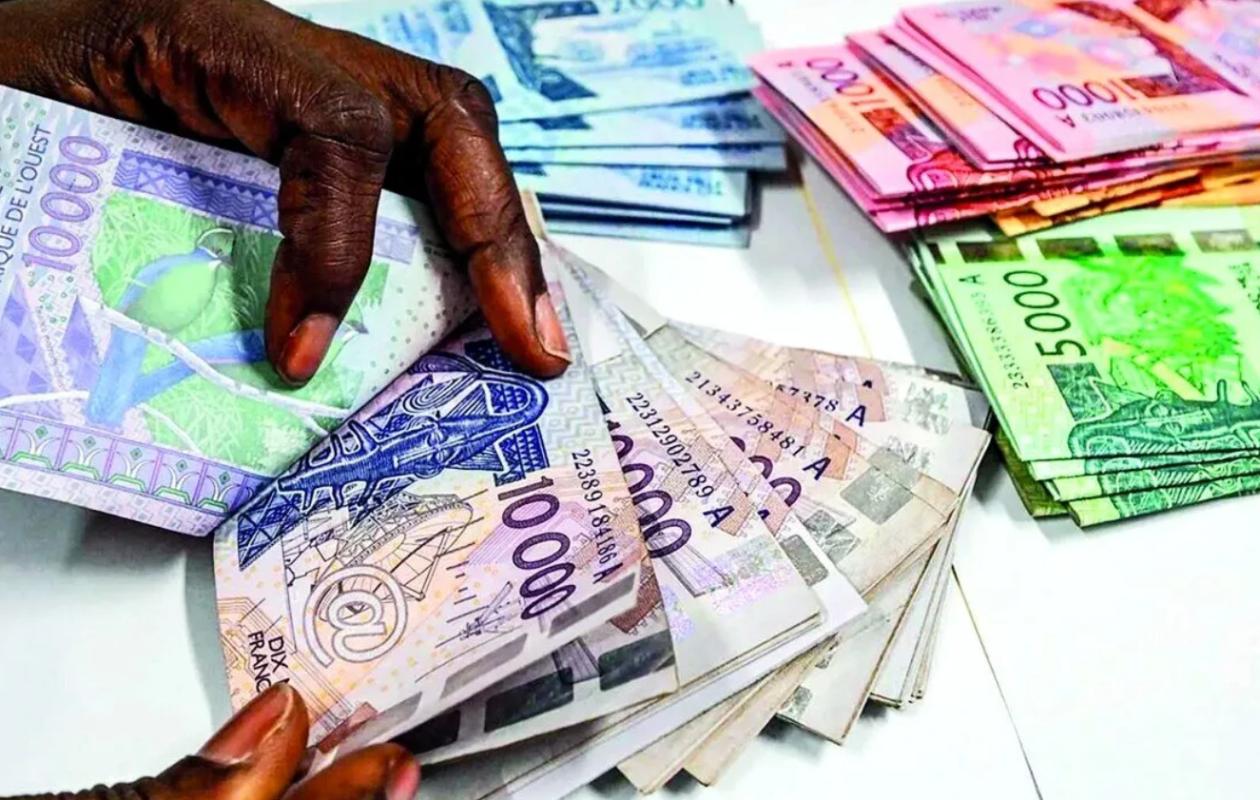
Transactions en devises : Ce que cela dit vraiment de la confiance monétaire
In economies with a stable currency, the use of foreign currency in local transactions generally remains marginal. However, in several West African countries, the use of the dollar or the euro is observed in certain sectors, including within the WAEMU zone where the CFA franc is pegged to the euro.
This practice, often referred to as informal dollarization, does not mean the abandonment of the local currency, but it reflects the fact that some actors prefer to use a foreign currency to secure their transactions or assets.
In the long run, this phenomenon can reduce the ability of monetary authorities to effectively manage the economy.
Informal dollarization refers to the use of foreign currencies that are not legal tender in the country. It generally occurs in international trade transactions, high-end real estate, or sectors where contracts are indexed to global markets.
In the WAEMU, the stability of the CFA franc theoretically limits this type of behavior, but practice shows that some important transactions continue to be denominated in dollars or euros, particularly when the amounts are high or when the partners are foreign.
The hydrocarbons sector provides a concrete example. Contracts related to oil and gas exploitation in Senegal and Côte d'Ivoire are generally denominated in dollars, as commodities are priced in that currency on international markets. Local companies working on these projects may invoice or retain a portion of their revenue in foreign currency to avoid losses related to currency conversions. While this situation remains consistent with international practices, it contributes to strengthening the dollar's position in certain economic activities.
Real estate is another frequent case. In urban areas with high land values, particularly in Dakar or Abidjan, some major transactions are negotiated in euros or dollars, especially when they involve foreign buyers or investments intended for the diaspora.
This use of foreign currencies makes it possible to set prices in a currency perceived as more stable internationally, even if the payments must then be converted into CFA francs to be officially recorded.
International trade also encourages the use of foreign currency. Importers often have to pay their suppliers in dollars or euros, leading them to maintain foreign currency accounts or conduct some of their transactions outside the local currency. During periods of strain on foreign exchange reserves in the region, some economic operators have sought to secure their transactions by directly holding foreign currency to avoid delays in accessing international payments.
For monetary authorities, the expansion of these practices can pose a management problem. Monetary policy affects liquidity in CFA francs, interest rates, and bank refinancing.
But when some transactions shift to foreign currencies, a portion of the activity bypasses the central bank's usual channels of intervention. Even in a supposedly stable monetary union, the increasing use of foreign currencies can reveal constraints in the functioning of the financial system or a preference for instruments deemed safer in certain situations.
Informal dollarization does not threaten the strength of the CFA franc in the short term, but it is a sensitive indicator of the behavior of economic agents. It shows that monetary stability depends not only on institutional rules, but also on confidence, access to foreign currency, and the fluidity of transactions.
For the authorities, the challenge is less about preventing the use of foreign currencies than about maintaining economic and financial conditions that make the local currency credible enough to remain at the center of trade.














Commentaires (0)
Participer à la Discussion
Règles de la communauté :
💡 Astuce : Utilisez des emojis depuis votre téléphone ou le module emoji ci-dessous. Cliquez sur GIF pour ajouter un GIF animé. Collez un lien X/Twitter, TikTok ou Instagram pour l'afficher automatiquement.