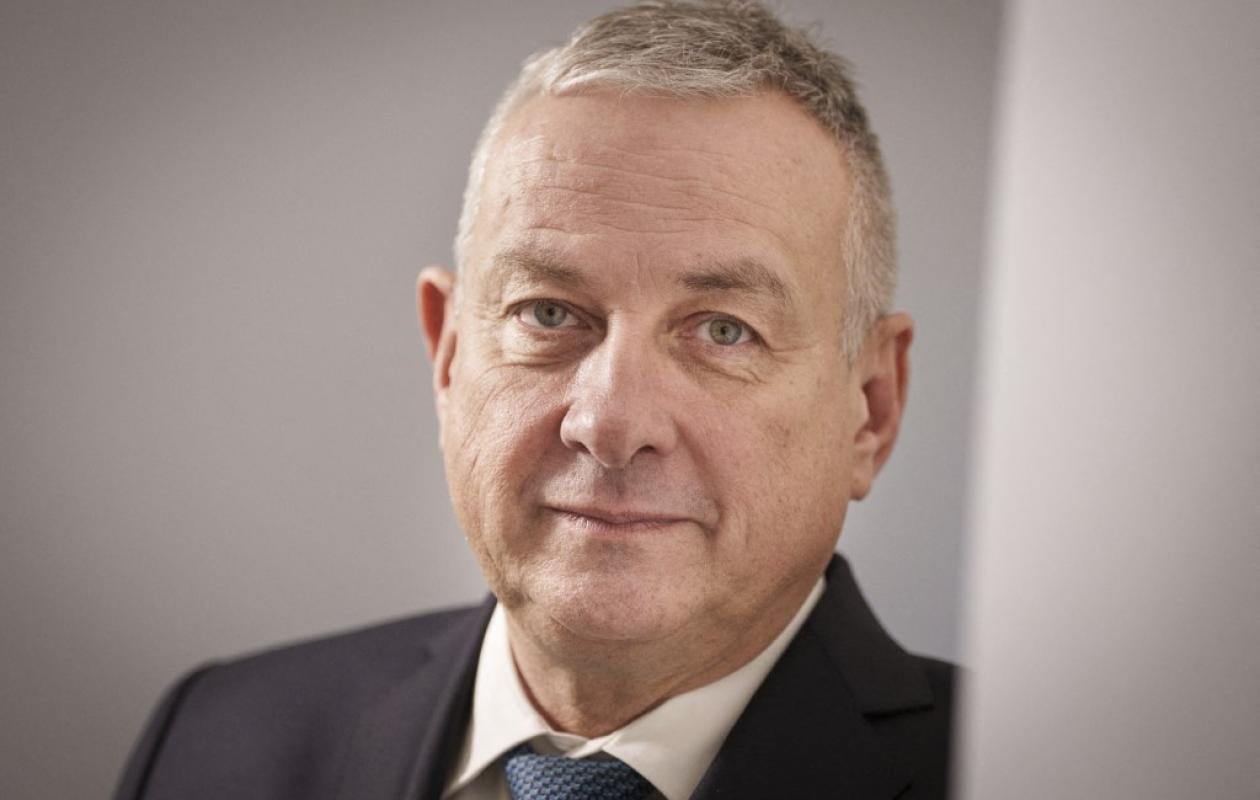
Jozef Síkela (Commissaire européen) : « Nous passons d'une relation donateur-bénéficiaire à une stratégie de co-investissement »
During an official visit to Dakar on March 3, 2026, Jozef Síkela met with the Seneweb editorial team to discuss the outlines of the future strategic partnership between the European Union and Senegal. This visit comes at a pivotal time, as the emergence of new centers of influence and intensified competition in the infrastructure market are pushing the EU to reaffirm its economic leadership on the continent.
The Global Gateway is at the heart of these exchanges. Launched in 2021, this ambitious program plans to mobilize €300 billion by 2027. A true alternative to competing initiatives, this strategy relies on massive investments in critical sectors such as energy, digital technology, and transport, while imposing strict requirements in terms of transparency and sustainability.
As negotiations intensify, this diplomatic sequence helps to clarify Senegal's leading role in this new European financial architecture.
Under your leadership, the European Union (EU) is promoting the "Global Gateway" strategy to mobilize sustainable investments and strengthen global economic partnerships. How has this strategy evolved since you took office at the Commission, and what concrete results have you observed so far?
I joined the European Commission just over a year ago with a very clear mandate from President Ursula von der Leyen: to accelerate the implementation of Global Gateway, the EU's external investment strategy. During my missions to Africa, I received a consistent message from leaders, entrepreneurs, and young people. People want quality jobs, real opportunities, better services, and reliable infrastructure. This is precisely what Global Gateway delivers. This is how I envision a new generation of international partnerships with Africa.
I want to move beyond the traditional donor-beneficiary relationship to build a co-investment strategy: we work with our partners to support their economic transformation while creating shared resilience and prosperity. We focus on what makes a real difference in everyday life: energy, transportation, digital connectivity, education and skills, healthcare, and value chains that create jobs and local added value.
Senegal perfectly illustrates this approach. A very good example is our Investing in Youth Business in Africa program, which supports entrepreneurs, particularly women and young people, through access to financing, coaching, workshops and training.
Another example is our initiative to promote African health sovereignty, notably through the Team Europe Initiative on the Manufacturing and Access to Vaccines, Medicines and Health Technologies in Africa (MAV+). With a budget of €2 billion, this initiative combines investment and institutional support to strengthen the African health ecosystem. In Senegal, the industrial project for vaccine production, led by the Pasteur Institute of Dakar and the Senegalese authorities, is progressing, with a significant skills development component already underway. Projections indicate that the vaccines should be commercially available from 2030.
Nearly 200 people from local pharmaceutical companies have been trained in the past 12 months and 75 students are currently undergoing training in the professions required by the pharmaceutical industry.
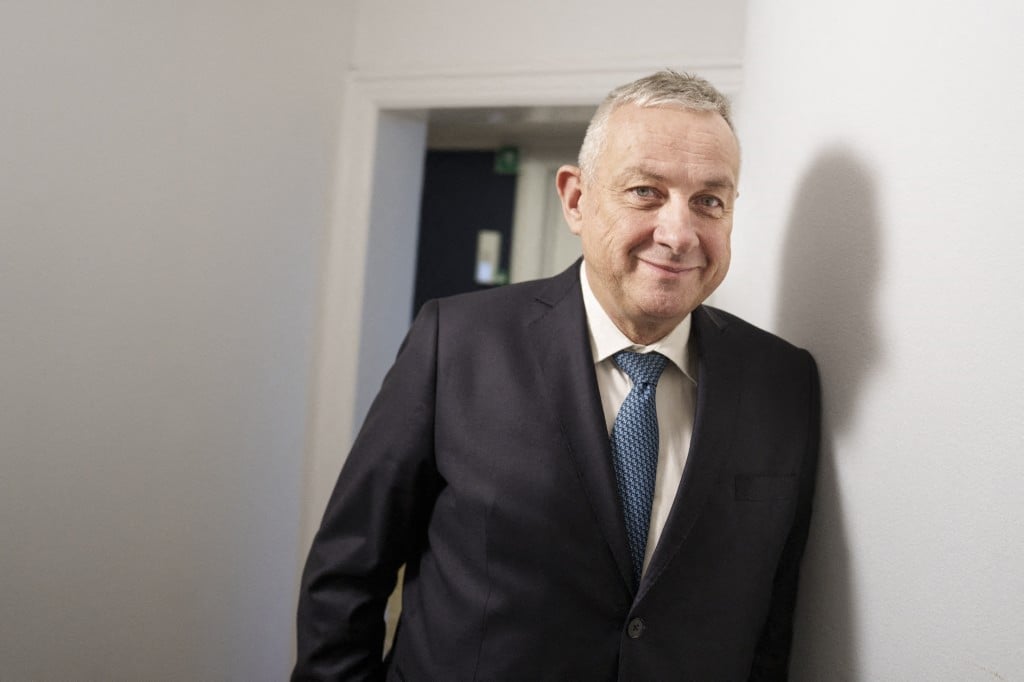
What specific mechanisms does Global Gateway put in place to stimulate private investment in African countries?
Global Gateway was designed from the outset to mobilize both public and private capital, from Europe and Africa, in order to generate large-scale impact. Since 2021, Team Europe has mobilized over €120 billion in public and private investment across Africa.
As a former banker, I believe the private sector needs stability, predictability, and transparency. With Global Gateway, we help create these conditions. We use risk mitigation tools to unlock more private investment and bridge financing gaps. These tools include grants, loans, guarantees, and instruments such as foreign exchange hedging. They make projects bankable, reduce risk, and encourage long-term commitments.
To facilitate business engagement, we launched the Global Gateway Investment Hub, a one-stop shop where European companies and those from partner countries can submit proposals and access EU financial and non-financial support. We also regularly organize business forums that bring together public and private stakeholders to foster networking and advance project portfolios.
To what extent does the Global Gateway approach take into account the economic priorities defined by the partner countries themselves?
Global Gateway is based on partnerships built around our partners' priorities. In business as in diplomacy, the only sustainable partnership is one that delivers tangible benefits to both parties. That's why, when we evaluate a project, we examine its alignment with national strategies and its capacity to generate employment and growth, while adhering to high standards of transparency and sustainability.
In Senegal, our support contributes directly to the Senegal 2050 Vision, particularly in the areas of energy, digital technology, transport, and the development of value chains such as the pharmaceutical and agri-food sectors.
Faced with the shared challenge of climate change, Global Gateway supports the transition to a sustainable economy and job creation in these new sectors in many African countries. In Senegal, the EU, alongside the UK and Canada, launched the Just Energy Transition Partnership in 2023, mobilizing €2.5 billion over three to five years to increase the share of renewable energy to 40% of the electricity mix by 2030.
We also provide expertise to support reforms aimed at improving the business climate, strengthening domestic resource mobilization, public financial management, and macroeconomic stability. We contribute to improving sustainable financing flows to enhance the autonomy and resilience of our partners.
How does the EU assess the economic impact of projects funded in developing countries?
The EU has robust monitoring, evaluation, and reporting mechanisms, built on decades of experience in development cooperation. We are closely monitoring the implementation of the Global Gateway Africa-Europe investment package. A preliminary progress report is already available online and illustrates the progress made towards shared prosperity.
In Senegal, thanks to an ongoing portfolio of projects including €100 million in blended European funding, we have contributed to projects with a total value of €1.3 billion. These include the cleanup of Hann Bay, the construction of the Madiba vaccine production plant, the restructuring of public transport in Dakar with electric and gas-powered buses, and the rehabilitation of strategic roads to The Gambia and Guinea-Bissau. These projects have a tangible economic impact on trade, growth, and employment.
![[Exclusif] Affaire Pape Cheikh Diallo : Nouveau coup de filet de la gendarmerie, 4 suspects arrêtés](https://image.seneweb.com/content/news/2026-10-03//thumb_1260x800_69a7405538b07_WquqgEAmOr.jpg)






Commentaires (0)
Participer à la Discussion
Règles de la communauté :
💡 Astuce : Utilisez des emojis depuis votre téléphone ou le module emoji ci-dessous. Cliquez sur GIF pour ajouter un GIF animé. Collez un lien X/Twitter, TikTok ou Instagram pour l'afficher automatiquement.