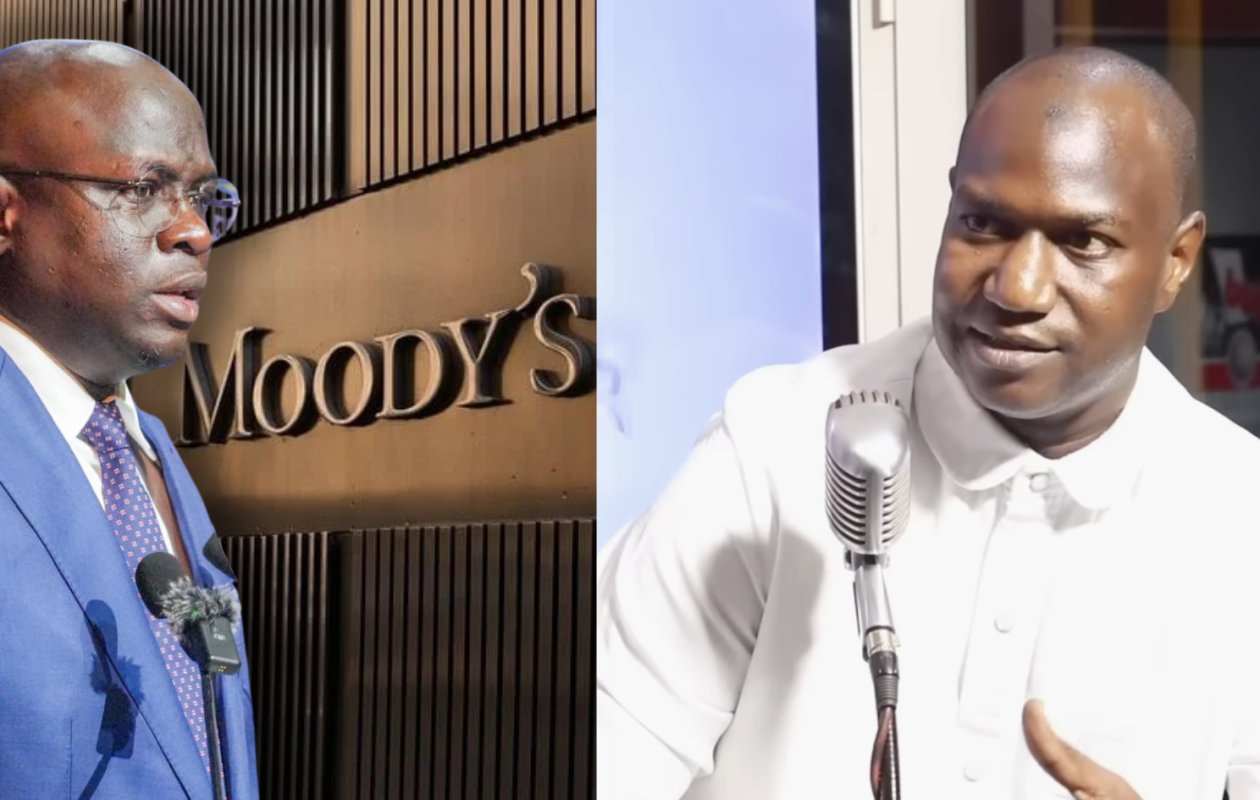
Mouhamadou Dia (Expert financier): «La note de Moody’s signifie qu’il y a un risque grandissant que…»
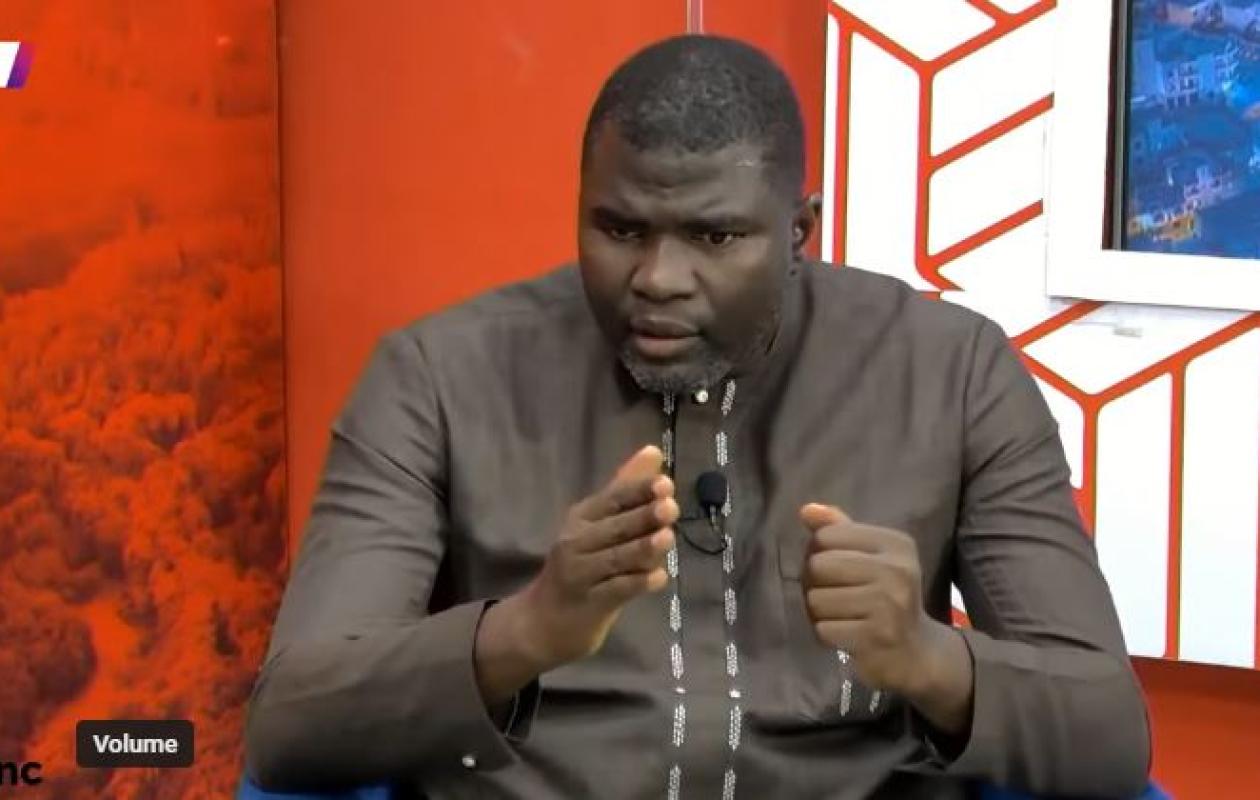
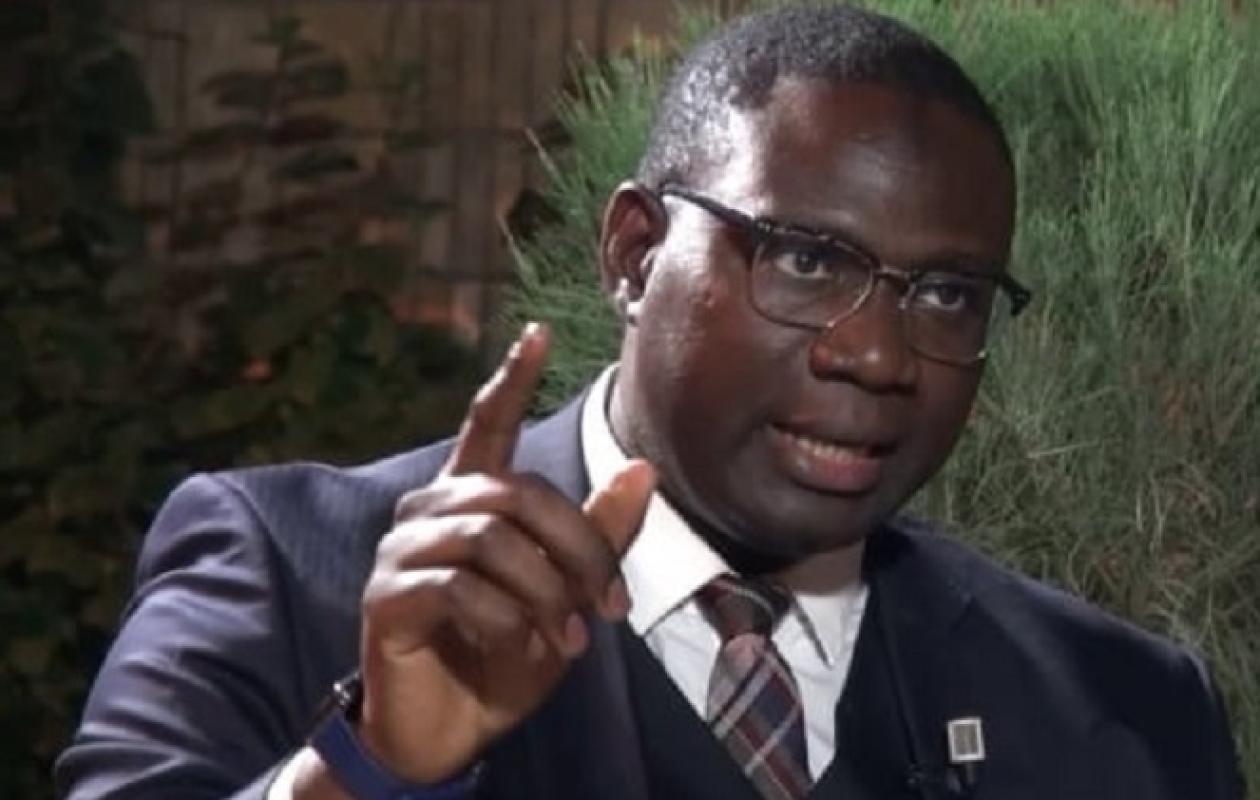
Financial expert Mouhamadou Dia dissects the controversial Moody's latest rating of our country. He outlines the possible consequences and sheds light on measures that could help the current authorities. The financial expert also discussed the Senegalese government's aggressive communication against Moody's.
First of all, in simpler terms, what does the latest rating given to Senegal by Moody's mean?
Moody's uses a letter rating system to classify debt from safest to riskiest. These ratings affect everything from interest rates to a country's or company's ability to borrow money: Aaa, Aa, A, Baa (low to moderate risk); Ba, B, Caa, Ca, C (higher risk).
In Senegal's case, we went from B3 to Caa, which means our bonds are low-grade speculative and carry very high credit risk. It is useful to add this information from Moody's: "Moody's adds numeric modifiers 1, 2, and 3 to each generic rating classification from Aa to Caa. Modifier 1 indicates that the bond is in the upper part of its generic rating category; modifier 2 indicates a middle ranking; and modifier 3 indicates a ranking in the lower part of that generic rating category."
What does all this mean?
What this means in simpler terms is that there is a growing risk that the government will not be able to stabilize its debt situation without debt restructuring. This is to be expected, because usually when Moody's downgrades a country's rating, it is followed by another downgrade in the short or medium term, citing that the outlook for the new rating is negative.
It is worth noting that Senegal's current situation is the result of the actions of the previous regime. The former president, after cleaning up public finances and reducing the budget deficit during the first two years, embarked on an infrastructure program with no return on investment. Some initiatives may have a social purpose, but most projects should not, since they are primarily loans that must be repaid. The Sall regime, having become heavily indebted, did not anticipate going through crises during the second term, which marked the beginning of the difficulties. Senegal had become considerably over-indebted, which required it to face various crises. There was no other option but to conceal certain debts in order to contract new loans on the international market. A situation of great disorganization. The damage is now complete, and it will be up to the state to accept certain conditions in order to recover; Once the budget deficit is reduced and inflation is brought under control, it will be possible to fully assume our responsibilities and determine the path forward for our development, but as things stand, the options remain limited.
What consequences could arise from this new rating?
This recent rating sends a very unfavorable signal to our country, given that it was already experiencing difficulties related to its budget deficit and debt. When a rating agency downgrades a country's rating, it systematically complicates access to borrowing, as financial markets use this assessment to determine particularly high interest rates. The global financial system is a real trap, and these agencies have already been sanctioned for questionable practices; therefore, developing countries must be extremely vigilant, as this is a means of forcing them to comply with their rules or suffer possible social unrest.
What can the State do to find room for maneuver?
Given that the state was caught off guard by the previous regime regarding the hidden debt, it is essential to currently conduct negotiations with the IMF and agree to certain conditions for signing a program. It is true that the IMF is not intended to promote a country's development, however, every state depends on the IMF, because that is how the world works and we cannot reinvent the wheel at this time. The key is to take the people into consideration, negotiate a program, then consolidate public finances and reduce the budget deficit. This combination with the mobilization of domestic resources will allow Senegal to overcome this financial crisis and implement its program. The state will be able to rebase its GDP while continuing to focus on the regional market, although this is less profitable in terms of the amounts to be mobilized and interest rates. It is also possible to mobilize domestic resources through diaspora bonds.
Moody's states that an IMF program is crucial for Senegal today and that "the longer this support is delayed, the greater the risk of debt restructuring." What message is this sending to Senegal's leaders?
Moody's strives to maintain consistency with previous assessments and refuses to deviate from this rule, especially as Senegal is making efforts on several fronts. For example, in Senegal, in the past, difficulties in concluding an agreement with the IMF were frequently attributable to a particularly high budget deficit, considerable subsidies granted to unproductive public enterprises, as well as a lack of transparency in public expenditure management. The last time Senegal encountered difficulties in concluding a program with the IMF, the main issue lay in the monopoly exercised by SENELEC, accompanied by subsidies amounting to 250 billion FCFA, as well as the 70 billion FCFA allocated to SAR. The subsidies granted to these two companies constituted more than 8% of GDP, which could under no circumstances be sustainable. During this period, SENELEC incurred a monthly loss of 2.5 billion FCFA. The IMF had demanded an increase in the electricity tariff, which already remained the highest in the region. As a solution, representatives of the Ministry of Finance informed the IMF that the government was able to avoid excluding the debt of SENELEC and other state-owned enterprises from the public accounts; however, given that these debts are guaranteed by the state, the IMF demanded their inclusion in the public accounts.
Is the government doomed to have to enter into a program with the IMF?
It would be desirable for Senegal to conclude an agreement with the IMF, as the global financial system remains a coherent whole and no country can oppose it without suffering detrimental consequences. The IMF intervenes as an emergency actor when a country faces a financial crisis characterized by high inflation and debt exceeding sustainable thresholds. Given that our rating is being downgraded, it will be impossible for us to obtain financing on international markets on advantageous terms. It is precisely at this moment that the IMF takes on the role of lender and, given the lack of real alternatives, its intervention aims to restore market confidence, the latter being subject to conditionality, although frequently contested.
Senegalese authorities have cited a "subjective and biased" rating and "questionable Moody's policy." How do you view this response?
This is a perfectly normal reaction, as any government would have acted in the same way. These agencies are paid by certain states, entities, or banking institutions to be able to establish ratings, while they conduct these assessments for free for other wealthy or well-known countries, companies, or entities. These agencies have established themselves on a global scale; however, they should not exert any influence over a state's borrowing terms. In the past, these agencies have committed unethical acts; however, given that they are lobbies, it is hardly appropriate to engage in a debate on this subject. Rather, it is appropriate to align ourselves in order to mobilize sufficient internal resources, thus reducing dependence on the IMF and other institutions.
Is this communication appropriate in such a situation?
The lowest level has been reached, so regardless of the discussion, this rating cannot be changed. The focus now must be on the recovery plan and the introduction of social measures to prevent certain dysfunctions. We do not have our own currency, which implies a lack of monetary sovereignty; moreover, we are required to comply with convergence criteria, and it will be difficult for us to easily industrialize with a currency stronger than our economy. It will be necessary to proceed in stages, because development is not achieved in ten years, but requires a much longer period.
Interview by Youssouf SANE







Commentaires (20)
Macky Sall etait pendant de longues annees au pouvoir donc RESPONSABLE SUPPOSE PROTEGER NOS PERSONNES ET NOS BIEN. DONC IL AVAIT LA SIGNATURE DU SENEGAL. POURTANT TRES TOT IL AVAIT MONTRE QUI VRAIMENT IL ETAIT. Des apres sa prise de fonction IL AVOUA DETENIR HUIT MILLIARDS (8 000 000 000 FRS) UN DON D'ABLAYE WADE DISAIT-IL (ce que ce dernier avait conteste ET MEME SI WADE L'AVAIT FAIT CE SERAIT TOUJOURS UN VOL MALHONETE DONC.IL DISAIT AVOIR 35 VOITURES DES MAISONS ET MEME UN AUX USA..AUSSITOT ARRIVE AU POUVOIR IL A OUBLIER TOUTES SES PROMESSES ET S'EST MIS A S'ENRICHIR LUI, SA BELLE FAMILLE,SA FAMILLE , SES AMIS ENFIN SON CLAN. IL S'EST INVESTI IMMEDIATEMENT A REDUIRE SON OPPOSITION A SA PLUS SIMPLE EXPRESSION ( il est le seul chef d'etat qui a ose tenir ce PAREIL language OUVERTEMENT dans le monde. POUR FAIRE SON PROGRAMME DONC IL A INSTITUE : GRE A GRE, CORRUPTIONS , SURFACTURATIONS MENACES , AROGANCE ; TORTURES , EMPRISONEMENTS MASSIFS ,CRIMES , EMPLOI DES MERCENAIRES OU BRAS ARMES ETC... POUR PROTEGER LES GRANDS BANDITS , LES DIVERS VOLEURS DE SON CLAN IL AVOUAIT SANS VERGOGNE TENIR LEURS DOSSIERS D'ENQUETE SOUS SON ( PRESIDENTIEL) COUDE. C'EST MACKY SALL QUI A BAZARDE DANS CIRCONSTANCES QUI RESTENT A ETRE ELUCIDEES NOS RESOURCES MINIERES A DES BANDITS MONDIALEMENT CONNUS COMME : OLUVID TENDER ( correct?) ; FRANCK TIMIS ; PETIT BOUBE ETC... POURTANT IL SAVAIT QU'AUCUN HOMME HONNET OU RESPECTABLE N'OSE FREQUENTER CES VERMINES DU BUSINESS WORLD . AVEC MACKY LE TER QUI AVEC 750 000 000 000 FRS DEVAIT COUVRIR MAILLER DONC TOUT LE TERRITOIR APRES AVOIR ETE SURFINANCE ET SURFACTURE ENCORE NE DEPASSAIT MEME PAS DIAMNIADIO .BEAUCOUP D'INFRASTUCTURES DE ROUTES DES PONDS ETC....QUI ETAIENT FINANCES PAR DES DETTES DEPASSAIENT TOUJOURS DE TRES TRES LOIN LES SOMMES INITIALEMENT DECLAREES . S'IL EST AUJOURDHUI DIT QUE MAKY CACHAIT PAR DESSUS LE MARCHER LES VRAIS CHIFFRES DE LA DETTE NATIONALE .OU ETAIENT DONC : LE FMI ; LA BANQUE MONDIALE ; MOODY'S ; LES INSTITUTIONS DE BRETON WOODS ; LA BANQUE EUROPEENNE ETC.... POURTANT CE SONT CES MEMES INSTITUTIONS FINANCIERES QUI ETAIENT TOUJOURS TRES PROMPTES A PRETER CET ARGENT QUI ETAIT A CHAQUE FOIS AUSSITOT DETOURNE PARRAIT-IL. ON NE SAURAIT OUBLIER QU' UNE FOIS MEME UNE DELEGATION DE MACKY PARTIE A ( NEW YORK POUR NEGOCIER UN PRET AUPRES DU FMI SI MES SOUVENIRS SONT BONS) A RECU BEAUCOUP PLUS D'ARGENT QUE CE QU'ELLE ETAIT ALLEE CHERCHER. LORSQUE LES GENS ONT CRIE AU SCANDALE D'AVOIR PRIS TOUT CE SURPLUS. MACKY BETEMENT NOUS DISAIT QUE C'ETAIT UNE PREUVE POUR MONTER QUE LA SIGNATURE DU SENEGAL 🇸🇳 EST BONNE. LA POLITIQUE DESASTREUSE DE MACKY A RUINE ET ENDETTER LE PAYS AVEC LA COMPLICITEE DE CES ORGANISATIONS QUI CHERCHENT A NOUS ASPHIXIER . COMMENT PEUT ON COMMPRENDRE QUE DES ORGANISATIONS QUI FINANCENT UN POUVOIR QUI MENT ; SURFACTURE ET TRAVAILLE DANS L'OBSCURITE ET LE FLOU DANS UN PASSE TRES TRES RESCENT , AUJOURDHUI OSENT NOTER NEGATIVEMENT UN POUVOIR QUI ESSAIE DE TRAVAILLER HONNETEMENT DANS LA TRANSPARENCE QUI A AUSSI ETE ELU DEMOCRATIQUEMENT AU PREMIER TOUR AVEC UN TRES TRES GRAND SUCCES ?????
LES AFRICAINS ONT CHANGER , LA JEUNESSE SURTOUT NOUS SOMMES CONCIENTS DU JEU DES OCCIDENTAUX QUI 'N'ONT HONNETEMENT JAMAIS SOUHAITE NI OEUVRE POUR NOTRE DEVELOPPEMENT. DEPUIS NOS INDEPENDANCES ( PLUS DE 60 ANS ) ILS PRETENDENT NOUS AIDER MAIS CELA N'A JAMAIS ETE VRAI NOUS SOMMES TOUJOURS DEPENDANTS ACCROCHES A LEURS AIDES.POURTANT POUR INTEGRER DES ETATS TRES PAUVRES ( GRECE ; ESPAGNE ETC... ) A L'UNION EUROPEENNE IL LEUR A JUSTE FALU UN SUPPORT FINANCIER DE MOINS DE QUATRE (4) ANS. IL Y'A TOUJOURS EU DES SENEGALAIS QUI RAMENT A CONTRE COURANT , DES GENS QUI NE VOIENT RIEN DE BON ET NE FONT RIEN DE BON POUR LE PAYS MAIS LES CHIENS ABOIENT ET LA CARAVANE PASSE. MERCI.
* toutefois, étant donné qu’il s’agit de lobbys
Bambouli faut savoir et choisir : soi c'est la règle pour tout le monde, soi des lobbys
Je ne sais pas à quoi renvoie ces 8%? La maîtrise des chiffres est sacrée. On ne se proclame pas expert comme cela pour dire ce que l'on veut.
Ensuite pour Moodys, comme l'ont déjà évoqués des économistes tel madana kane, leur notation en C est incompréhensible et ne cadre pas avec leur logique. L'état du Sénégal n'a jamais fait défaut à ses obligations.
Mes partenaires vous financent a des Taux concessionnaire (entre 0 et 3%), avec différé et transfert de Technologies et sans contrôles permanent encore moins des orientations budgetaires selectives .
Passons du FMI et de la Banque Mondiale
La stabilité du pays,les opportunités d'investissements et le sérieux des dirigeants sont des atouts majeurs pour attirer des investisseurs.
Merci M.Dia qui est aussi un très bon voisin.
Monsieur Dia peut il nous dire que le TER, le BRT , les Ports , les autoroutes , les ponts, les autoroutes, les routes , les pistes rurales , les parcs industriels, les ports, les aéroports , les hôpitaux, les universités, les centrales électriques, les ouvrages hydrauliques , les réceptifs hôteliers , les ISEP, les Data Center, les usines de production de vaccins et de médicaments , etc. qui contribuent à améliorer la compétitivité de l'économie n'ont pas de retour sur l'investissements ? Sur quelle durée ce minable petit économiste calcule les rentabilités financière, économique, sociale et environnementale des investissements réalisés ? Les investisseurs se bousculent ils dans un pays sans infrastructures?
Comme les nouveaux dirigeants pleurnichent chaque jour sur la dette , qu'attendent elles pour les démanteler et les jeter à la mer ???
AU SENEGAL ON VEUT LE BEURRE L'ARGENT DU BEURRE ET LA FERMIERE
La croissance de l'economie est dependante des exploitation des hydrocarbures. Or si les prix de l'or noire baissent cela peut avoir un impact sur la dynamique de croissance et remettre en cause les efforts du gouvernement pour contenir la dette. Mieux il existe une zone d'ombre que j'ai du mal a comprendre concernant les previsions du gouvernement. En effet durant les six premiers mois de cet exercice fiscale en cours la croissance a depasse le seuil des 10%. Or la prevision de gouvernement pour 2025 est de 8,5%. Est-ce que le gouvernement table sur un ralenstissement de l'ectivite economqie pour le reste de l'annee ?
Participer à la Discussion
Règles de la communauté :
💡 Astuce : Utilisez des emojis depuis votre téléphone ou le module emoji ci-dessous. Cliquez sur GIF pour ajouter un GIF animé. Collez un lien X/Twitter, TikTok ou Instagram pour l'afficher automatiquement.