Luttes syndicales: Ces trois grèves historiques qui ont changé le visage du Sénégal
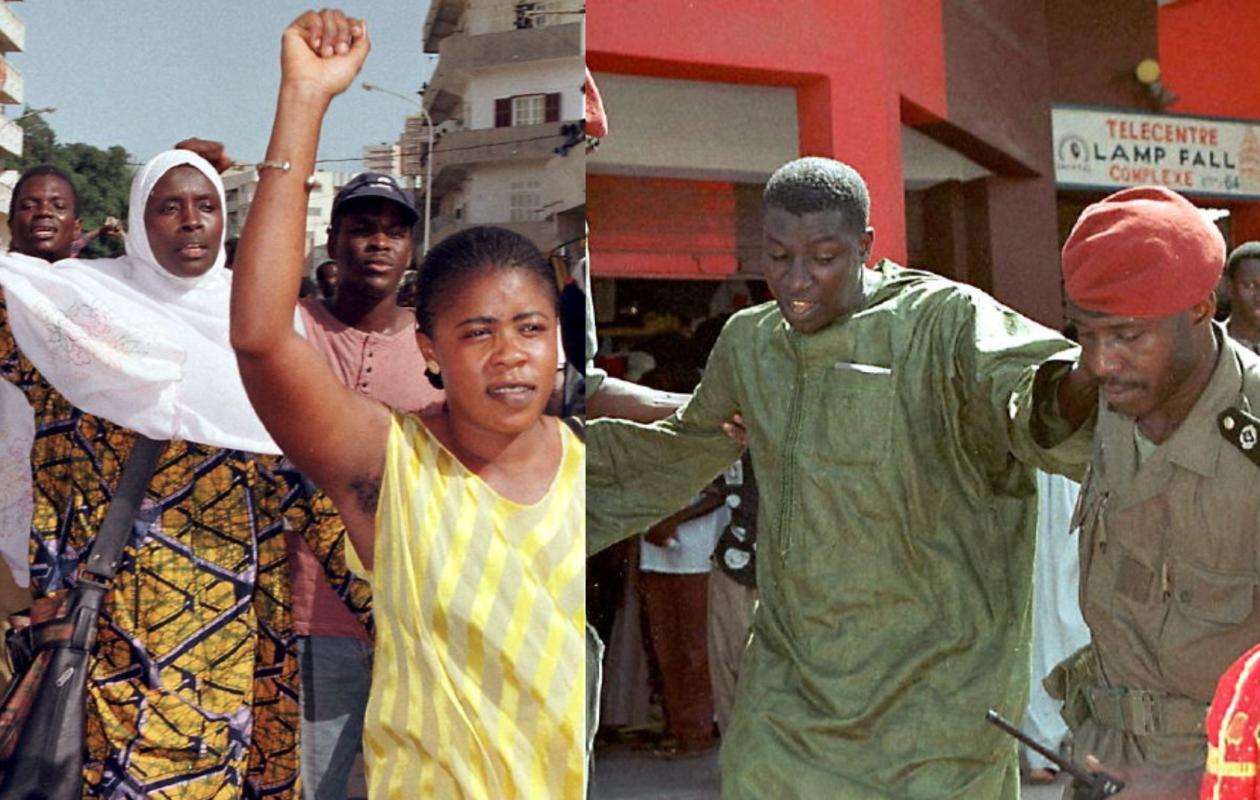
The history of the Senegalese trade union movement is marked by emblematic struggles that shaped workers' consciousness and influenced the balance of power between the state, capital, and labor. Three major episodes—the railway workers' strike of 1947–1948, the events of May 1968, and the Sutelec strike of 1998—illustrate this trajectory of heroic resistance and fierce repression.
The railway workers' strike (1947-1948): the anti-colonial awakening
In October 1947, nearly 20,000 railway workers on the Dakar-Niger line, led by Ibrahima Sarr, launched a historic strike against wage discrimination between Europeans and Africans. For 160 days, despite hunger and intimidation, the workers held firm, supported by their wives who organized active solidarity. The victory was decisive: they obtained a single status without racial distinction and a 20% wage increase. This movement, beyond its social dimension, became a powerful symbol of the anti-colonial struggle, immortalized by Ousmane Sembène in his literary masterpiece, "God's Bits of Wood."
May 1968 and the takeover by the State
The May 1968 movement in Senegal originated in a reduction of student grants in 1967. The protests quickly spread to labor unions, triggering an indefinite general strike that shook the regime of Léopold Sédar Senghor. To regain control, the state dissolved the National Union of Senegalese Workers (UNTS), deemed too independent. In 1969, the government created the National Confederation of Senegalese Workers (CNTS), placed under the control of the ruling party. This maneuver ushered in a long period of controlled unionism, where worker autonomy was curtailed until the union revival of the 1980s.
Sutelec and the arrest of Mademba Sock (1998): facing neoliberalism
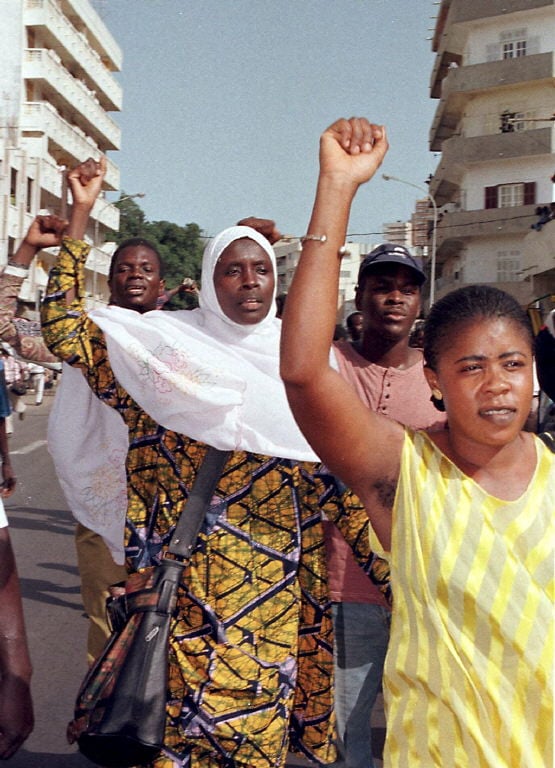
In July 1998, amid the privatization of Senelec imposed by international lenders, the Unified Union of Electricity Workers (Sutelec), led by Mademba Sock, launched a work-to-rule action. The country was plunged into darkness, as technical interventions were deliberately slowed. On July 20, Sock and 26 other union members were arrested and sentenced to six months in prison for "sabotage." The event shocked public opinion and became a symbol of resistance to neoliberal policies.
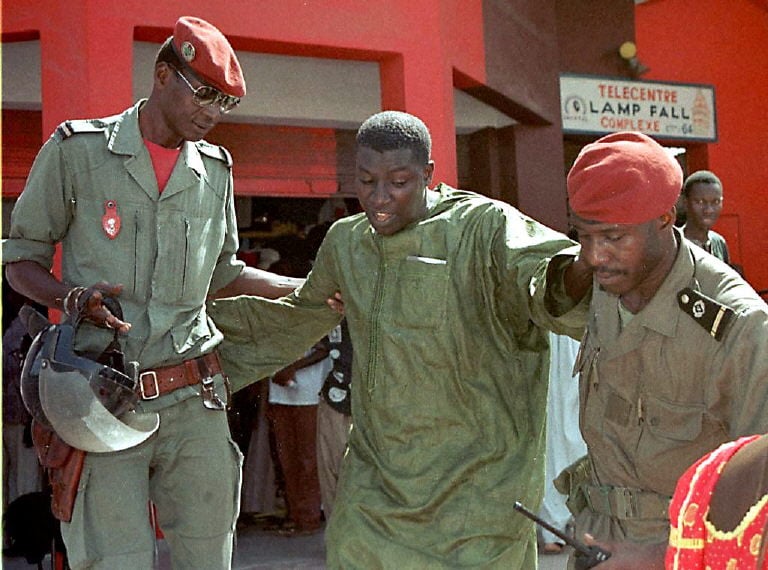
Immortalized by Youssou Ndour in his song "Bouleen coupé", this struggle established Mademba Sock as a major trade union figure of the modern era.
These three struggles, spanning half a century, reveal the transformation of Senegalese trade unionism into an essential force for social and political protest. From the fight against colonial exploitation to resistance to structural adjustment programs, these episodes forged a collective memory that continues to inspire contemporary mobilizations for dignity and social justice.


















Commentaires (12)
Participer à la Discussion
Règles de la communauté
💡 Astuce : Utilisez des emojis depuis votre téléphone ou le module emoji ci-dessous. Cliquez sur GIF pour ajouter un GIF animé. Collez un lien X/Twitter, TikTok ou Instagram pour l'afficher automatiquement.
Se connecter
Commentez avec votre profil, votre photo, et soyez averti des réponses.