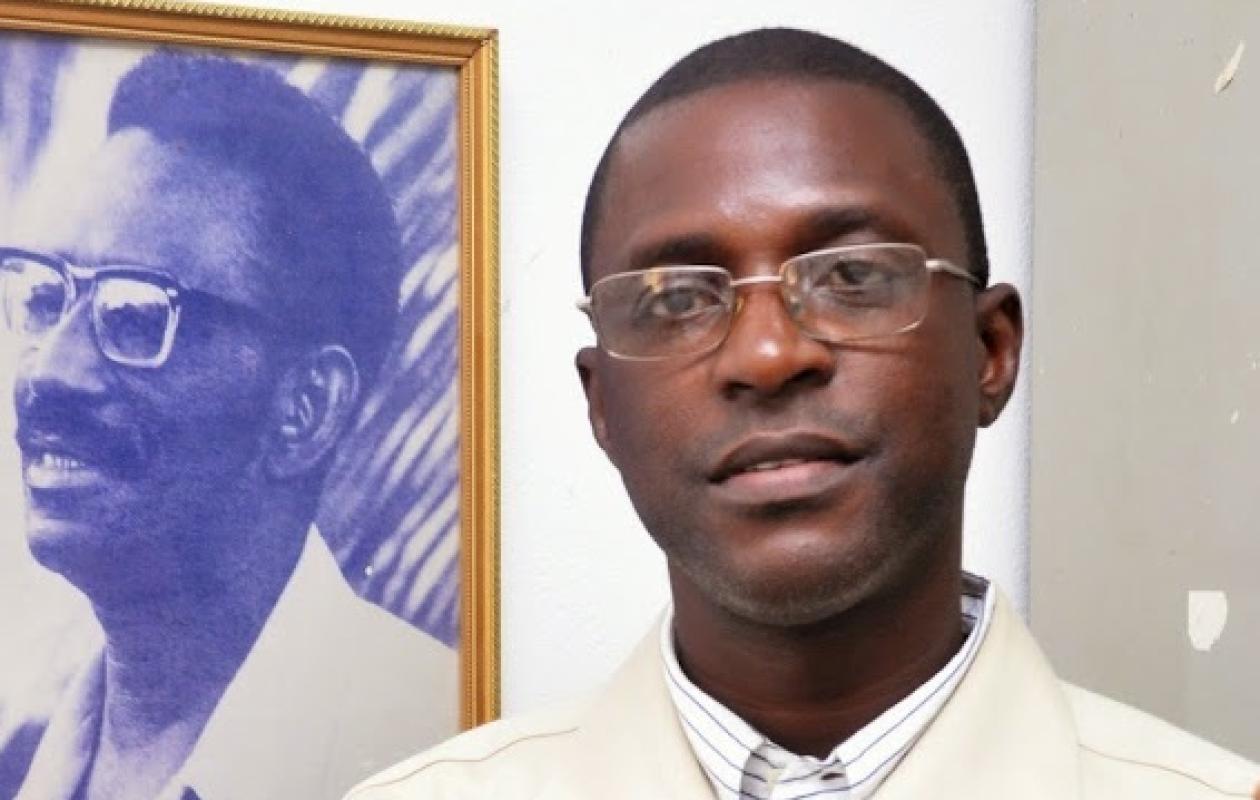
Thiaroye 44: les recommandations du pr Mor Ndao pour restaurer la vérité historique
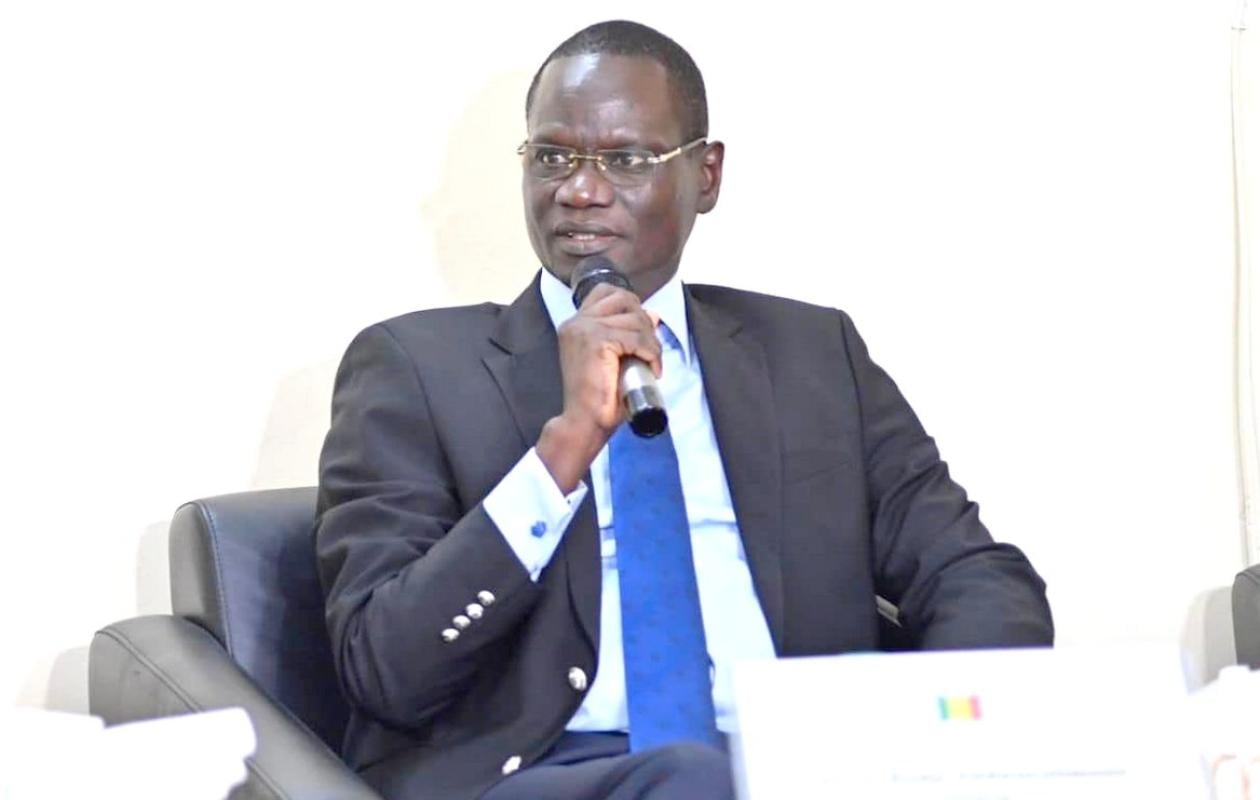
History professor Mor Ndao, president of the Senegalese Commission of Military History, delivered an in-depth analysis of the Thiaroye massacre, which occurred on December 1, 1944. A guest on the program Point de vue on RTS, the historian stressed the importance of continuing research on this tragedy and passing on its history to new generations.
When questioned about the reservations expressed by the head of state regarding access to French archives, Mor Ndao confirmed the existence of significant shortcomings. "The documents handed over by France, under the presidency of François Hollande, do not allow for an accurate reconstruction of the facts," he stated, adding that the very authenticity of these archives is questionable, as the figures and descriptions they contain appear to be completely out of step with the reality on the ground.
“Many files remained classified, managed ‘from the highest level,’ between the Élysée Palace and the Ministry of Culture,” he noted. This lack of transparency, he said, explains the scarcity of certain series at the National Archives of Senegal, particularly those relating to military affairs. “This situation should not, however, discourage research, but rather encourage a methodical diversification of sources,” he concluded.
Professor Ndao emphasized the need to explore British and American archives, since, he said, their troops were stationed in Dakar at the time of the events and benefited from a particularly sophisticated intelligence system. "African history relies on multiple sources. In addition to written documents, oral testimonies, such as the poignant one from Doudou Diallo, remain essential," he stated.
The historian also highlighted the growing role of archaeology and forensic medicine. "Excavations carried out by Senegalese university teams are beginning to open new avenues for locating mass graves and reconstructing the sequence of events," he stated.
According to him, the annual commemoration fulfills three fundamental requirements: the duty of remembrance, the work of remembrance, and the will to remember. “The duty of remembrance requires recognizing and honoring the sacrifice of the riflemen whose ‘freedom today is the result of yesterday’s suffering.’ The work of remembrance involves transmission from one generation to the next, in a society that cannot afford to be ‘orphaned from its history.’ The will to remember is part of projecting ourselves into the future so that the gains are consolidated and the sacrifices of our predecessors are never forgotten,” he explained.
Recognizing the universal dimension of this struggle, he declared: "Thiaroye is not an isolated tragedy, but an episode inscribed in a long series of colonial repressions, from Sétif to Saigon." This, for him, is a reason to integrate the memory of the riflemen into a sustainable, national, and African approach.
The historian pointed out that the 1944 massacre involved seventeen African nationalities, making the presence of foreign delegations at the commemoration all the more significant. "This is a moment of collective recognition, where pain and stories intertwine. The riflemen came from Senegal, but also from Chad, Cameroon, Ivory Coast, Niger, and other countries involved in the war effort," he recalled.
Looking back on recent developments, Professor Ndao praised the work of the scientific committee in charge of the commemoration, mentioning the research carried out in France, the data recorded in the White Paper and their usefulness in structuring a solid documentary base.
He also welcomed the Ministry of National Education's decision to institute a "Major Lesson" dedicated to the massacre, to be held this Monday at 10 a.m. in all schools across the country. "This exercise constitutes a major civic act, a way to restore the dignity of the victims, to raise awareness among younger generations, and to maintain a coherent narrative surrounding the tragedy."
Mor Ndao recalled the recommendations made by the government and the scientific committee, including the erection of a national memorial, the creation of a documentation center on the riflemen, the increased integration of this history into school programs, the inclusion of December 1st in the republican calendar and the development of multinational research teams.
He also stressed the importance of engaging in legal reflection to reclassify the facts, but also the need to bring the arts (cinema, theatre, painting, hip-hop) into the process of popularizing this memory.
He concludes that the goal remains unchanged: "To restore historical truth and give dignity to the martyrs of colonial oppression."










Commentaires (6)
Sinon toutes ces activités ne mèneront en rien si ce n'est nous servir d'autres versions des faits que personne ne pourra vérifier.
Sans haine ni polémiques !!!
Participer à la Discussion
Règles de la communauté :
💡 Astuce : Utilisez des emojis depuis votre téléphone ou le module emoji ci-dessous. Cliquez sur GIF pour ajouter un GIF animé. Collez un lien X/Twitter, TikTok ou Instagram pour l'afficher automatiquement.