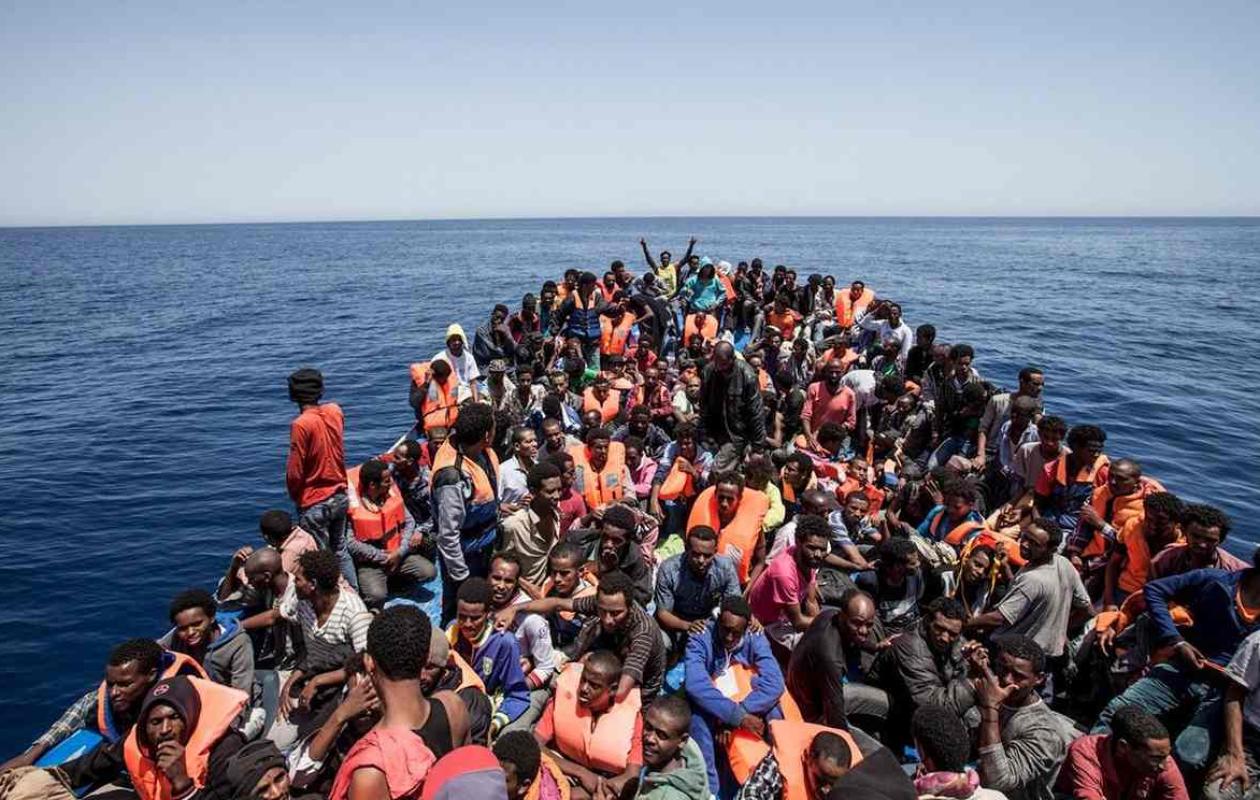
Idées reçues : Pourquoi 60 % de la migration africaine reste à l'intérieur du continent
Often presented through the dramatic lens of clandestine crossings to Europe, African migration remains a far more complex and largely misunderstood phenomenon. Between predominantly intra-African migration, security crises, and academic repositioning, current dynamics reflect profound transformations within African societies.
According to Ibrahima Kane, a migration expert, media and political discourse tends to reduce this phenomenon to a simple pressure towards the West. A guest on the program "Jury du Dimanche" on Iradio, he pointed out that African migrants represent less than 10% of global migration flows. Even more significantly, over 60% of these movements take place within the continent itself. For the expert, "this reality reveals that migration is primarily a structural phenomenon, rooted in regional economic dynamics."
Conflict, climate and economy: the drivers of displacement
While intra-African mobility is predominant, it is heavily influenced by security and environmental instability. Violence in the Sahel, the war in Sudan, and the drying up of Lake Chad are causing mass displacement. These crises are fostering the emergence of "climate and security-related displaced persons," illustrating the direct impact of climate change on livelihoods.
In this landscape, Senegal occupies a unique position by fulfilling three functions: a territory of emigration, a transit zone, and a reception area. This centrality, supported by its stability and its commercial role, particularly with Mali, strengthens the country's geopolitical influence while posing challenges in terms of governance and integration.
The emergence of academic mobility
At the same time, another phenomenon is gaining importance: academic mobility. Faced with increasingly stringent European policies, cities like Dakar and Abidjan are emerging as regional university hubs. This "migration of knowledge" stimulates local economies and fosters a mobile elite, a driving force behind continental integration.
Towards a new understanding of mobility
The evolution of these dynamics calls for moving beyond simplistic interpretations dominated by European security concerns. Migration now stands out as an indicator of the continent's geopolitical transformations, demanding concerted public responses tailored to African realities.



















Commentaires (2)
Participer à la Discussion
Règles de la communauté :
💡 Astuce : Utilisez des emojis depuis votre téléphone ou le module emoji ci-dessous. Cliquez sur GIF pour ajouter un GIF animé. Collez un lien X/Twitter, TikTok ou Instagram pour l'afficher automatiquement.