
Daouda Mine sur la présomption d’innocence : « il est interdit de présenter une personne comme coupable avant un jugement»
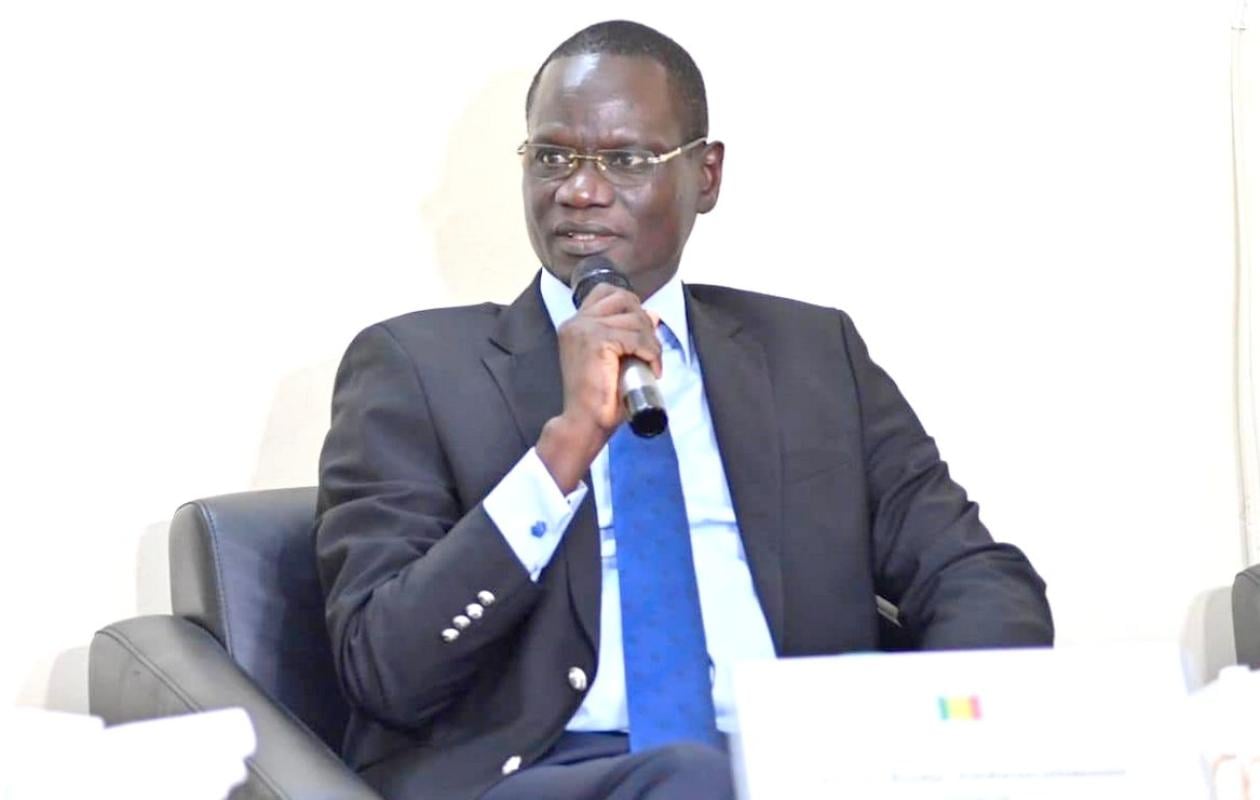
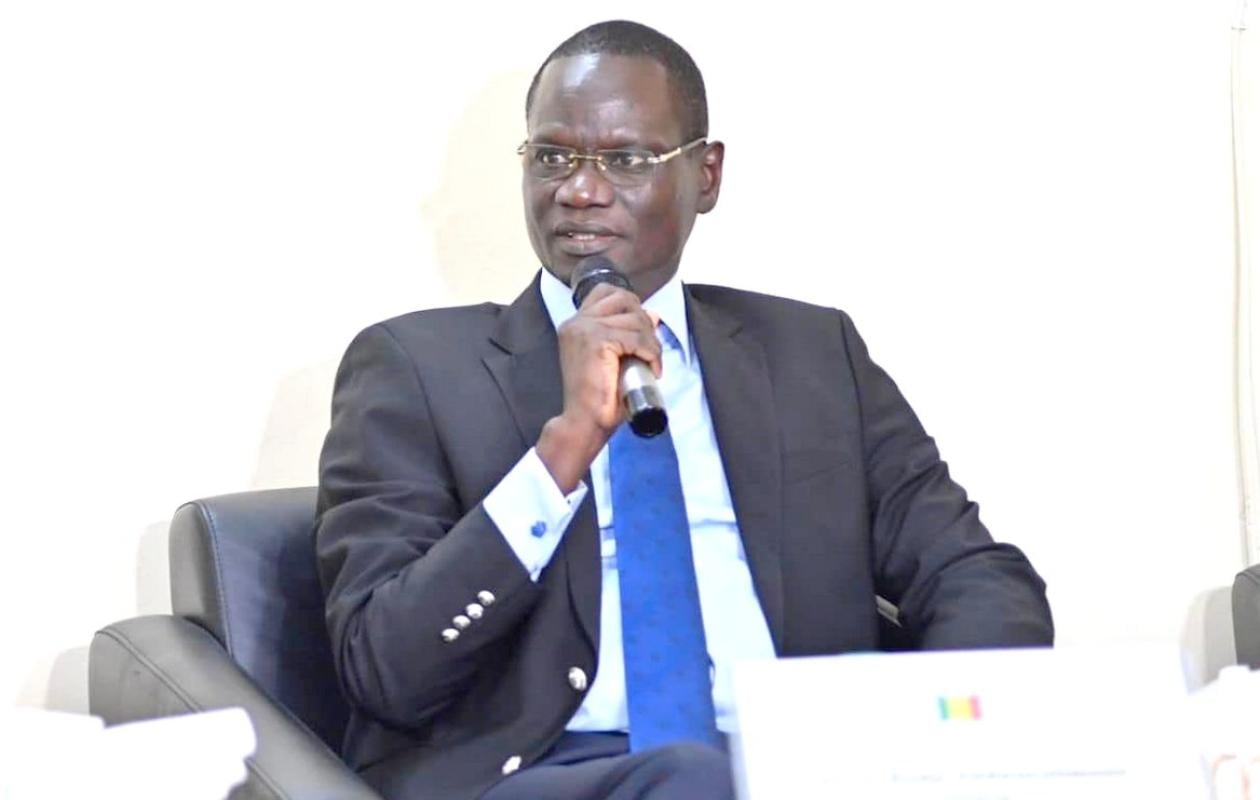
The presumption of innocence is a fundamental principle of law: "Everyone is presumed innocent until proven guilty by a court." Furthermore, it is stipulated that an accused person does not necessarily provide evidence of guilt. The burden of proof lies with the applicant. "Here, in the Charter of Human Rights, the burden of proof lies with the public prosecutor, who is the advocate of society, who must clearly seek the evidence, who must clearly constitute certainty in order to convict an accused person, whether they are accused of a misdemeanor or a crime," said journalist Daouda Mine, during a training session for court reporters on the topic of media responsibility in the dissemination of judicial information. The session is organized by the Forum du Justiciable (FJ) in partnership with COSCE and the NGO 3D as part of the Saxal Jamm project.
Indeed, the president of the FJ, Babacar Ba, indicated that "the majority of Senegalese are increasingly noticing, with regret, the abuses in the public sphere, the sounding board of which happens to be the media." "Several abuses or deviations from commitment have punctuated legal cases for several months or even years, with potential consequences for social peace, national cohesion, and our common desire to live together," he said. And, most of the abuses stem from the failure to respect the presumption of those prosecuted by the courts. "A person presented as guilty before judgment is often stigmatized, rejected socially or professionally. Even in the event of acquittal, media-covered suspicions can leave an indelible mark on public opinion," he lamented.
"The image of a person handcuffed without their consent is prohibited."
Daouda Mine also returned to say that it is up to the person who filed the complaint to provide evidence of guilt. Daouda Mine noted that the other element is the benefit of the doubt, which benefits the accused. Continuing, the expert also maintains that it is forbidden "for us journalists to present a person as guilty before a judgment."
He teaches: "For a murderer is one who is sentenced to murder. A criminal is one who is sentenced to a crime, and an offender is one who is sentenced to a misdemeanor. They cannot be called offenders, criminals, or murderers until a sentence has been served."
Still, someone who is presumed innocent, "we must not expose them" to the public. "We have this obligation to protect their image, because until they are declared guilty by execution, they are presumed innocent," he said. "The image of a person handcuffed without their consent is prohibited. If we do this and the next day the person is tried and found innocent, they could end up against us and file a complaint," Daouda Mine reminded.
















Commentaires (5)
Les procès sont jugés sur les plateaux de médias.
C'est devenu pire avec ce régime.
Ils ont accusé, jugé et condamné des gens avant leur arrivée au pouvoir.
Une fois au pouvoir, ils trouvent des voies et moyens de les envoyer en prison.
Il y aura beaucoup de boulot pour faire le nettoyage
Participer à la Discussion
Règles de la communauté :
💡 Astuce : Utilisez des emojis depuis votre téléphone ou le module emoji ci-dessous. Cliquez sur GIF pour ajouter un GIF animé. Collez un lien X/Twitter, TikTok ou Instagram pour l'afficher automatiquement.