
Garde à vue au Sénégal : le décret de 1966 sur l’alimentation et la santé des détenus toujours ignoré
The provision of food and healthcare to people held in police custody remains one of the main weaknesses in the system of deprivation of liberty in Senegal. This was the unanimous conclusion reached during a national workshop organized by the National Observatory of Places of Deprivation of Liberty (ONLPL), in partnership with Amnesty International. Indeed, more than half a century after its adoption, the 1966 decree regulating the provision of food and medical care to people held in police custody remains largely unenforced in Senegal.
Adopted in 1966, the text unambiguously regulates the provision of food to individuals deprived of their liberty while in police custody. Article 23 stipulates that when the place of custody is located near a prison, the food must be provided by the prison. Failing this, the person in charge of the place of custody is authorized to advance the costs, which must then be reimbursed from the prison administration's budget.
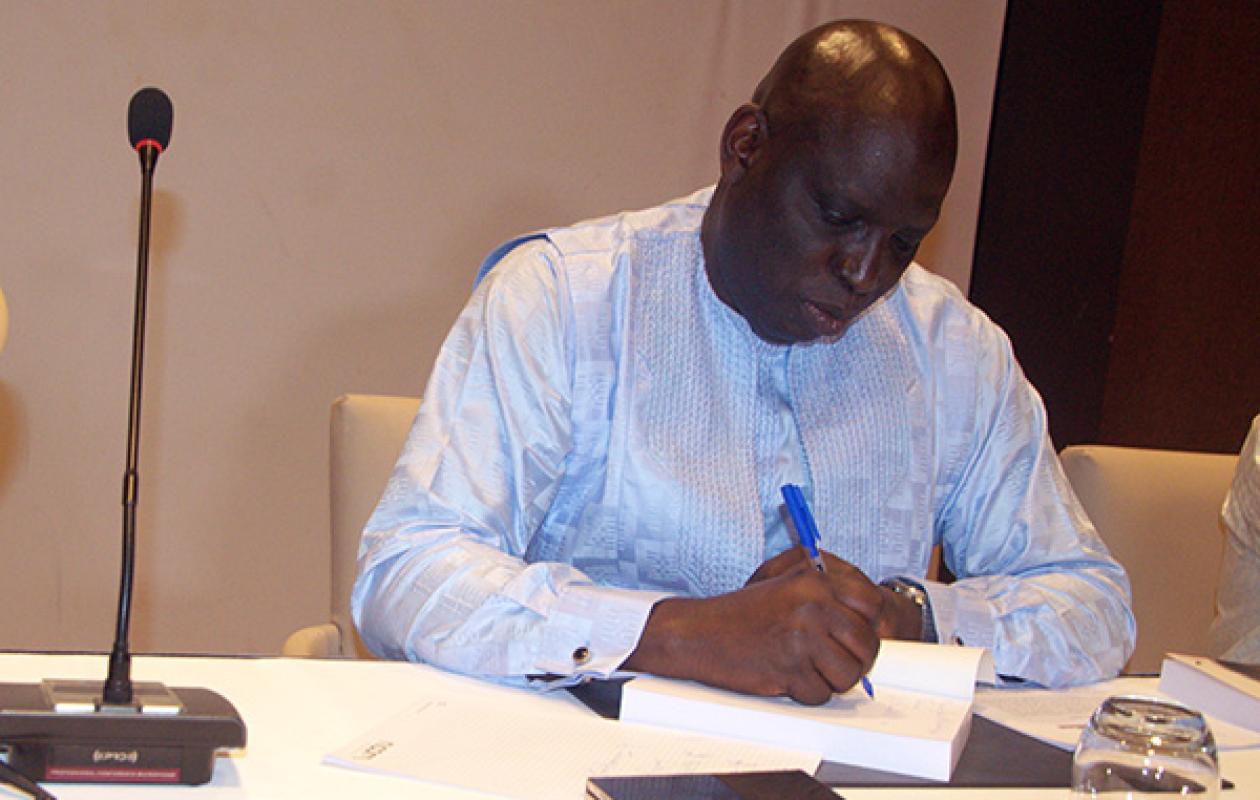
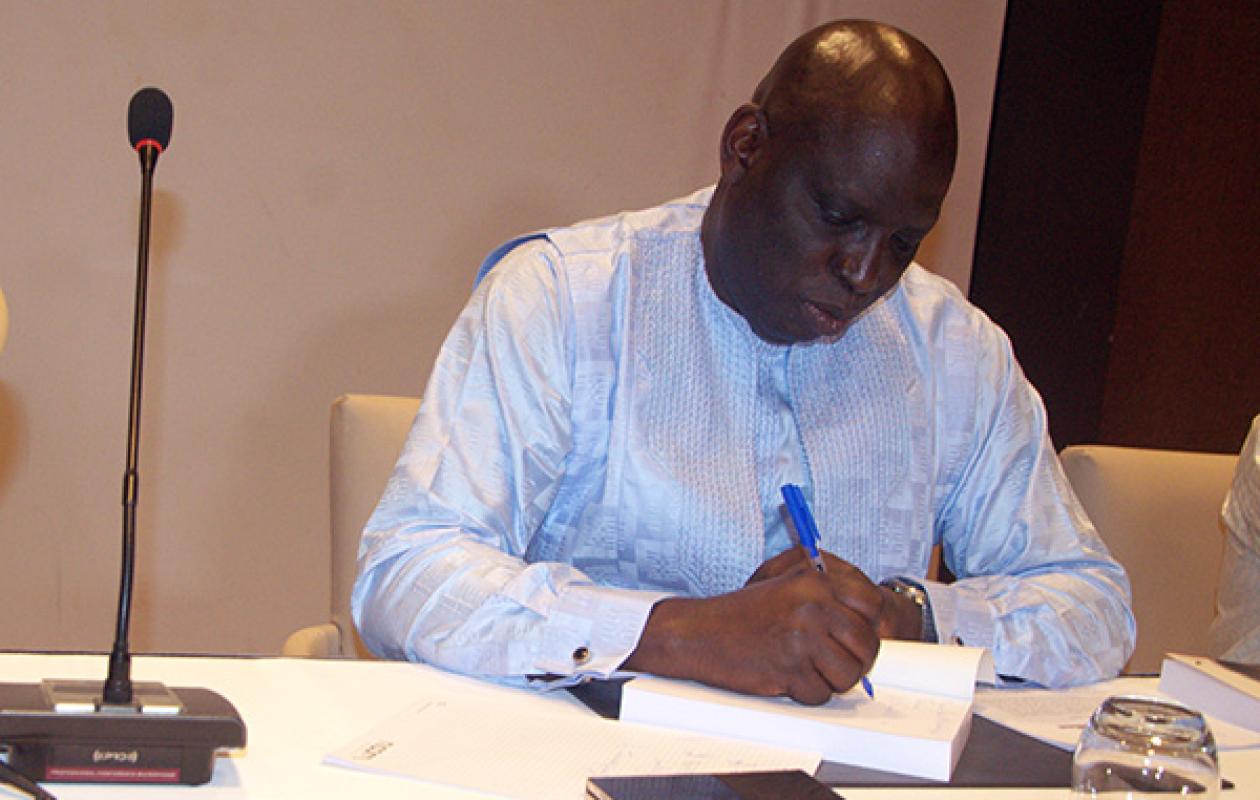
However, on the ground, the reality is quite different. According to Madiaw Diaw, a magistrate and National Observer of Places of Deprivation of Liberty, people held in custody are rarely fed in accordance with the law.
"This is the only recommendation that has consistently appeared in all our reports for years. Those in custody are not being fed according to regulations," he laments.
Since his appointment as head of the ONLPL in 2022, Madiaw Diaw claims to have conducted no visits to detention facilities without noting this violation. This finding had already been established by his predecessors.
In practice, providing food for people in police custody often relies on families, police or gendarmerie unit commanders, or even the solidarity of third parties. The Observer considers this situation unacceptable under current regulations.
"When a text exists, it must be applied. It's a legal requirement," he insists.
One of the paradoxes raised during the workshop is the existence of budgetary resources theoretically dedicated to this care. The funds are allocated within the prison administration budget, which falls under the Ministry of Justice, while police custody is the responsibility of the Ministry of the Interior and the Ministry of the Armed Forces.
For Seydi Gassama, executive director of Amnesty International Senegal, this administrative compartmentalization partly explains the ineffectiveness of the 1966 decree.
"The texts exist, but the budgets do not reach the police stations and gendarmerie brigades. It is this dysfunction that must be corrected," he stressed.
Beyond food, the health of people held in custody has also been widely debated.
Amnesty International has denounced frequent cases of detainees arriving in very poor physical condition, sometimes victims of community violence, without immediate transfer to health facilities.
Neglect of mental health has also been highlighted, particularly in cases of suicide in police custody, often linked to mental disorders or profound distress that went untreated.
The executive director of Amnesty International Senegal, Seydi Gassama, denounced alarming practices observed in police stations and gendarmerie brigades, including detainees being deprived of food for 24 to 48 hours, prisoners demanding money from visitors for food, and the lack of immediate medical care for seriously injured individuals, particularly victims of community violence. He also raised concerns about the risks associated with neglecting mental health.
"Many suicides in police custody are linked to undetected mental disorders or states of distress," he warned.
Summonses, police custody and rights of the defense
Another point raised is the frequent failure of the police and gendarmerie to notify the public of the purpose of summonses. According to Amnesty International, this practice leads to unnecessary detentions and infringes upon the rights of the defense.
Seydi Gassama also pointed out that the return to the prosecutor's office, which is widely practiced, has no legal basis, according to many lawyers and academics.
Thus, for Pape Diene Diop, president of Amnesty International/Senegal Section, this workshop is part of a positive dynamic of reforms, following the progress made in recent years in the fight against torture.
"The rights of people in custody are not limited to the prohibition of torture. They include the right to health and food," he stressed.
The National Observer indicated that preliminary discussions have already taken place with the Ministers of the Interior and the Armed Forces.
Thus, at the end of these two days of discussions, bringing together police, gendarmerie, prison administration, relevant ministries, and civil society, recommendations will be formulated for the State. These will include, in particular, the effective allocation of funds dedicated to police custody, the improvement of medical and psychological care, and greater respect for the rights of the defense from the moment of summons.




















Commentaires (1)
Participer à la Discussion
Règles de la communauté :
💡 Astuce : Utilisez des emojis depuis votre téléphone ou le module emoji ci-dessous. Cliquez sur GIF pour ajouter un GIF animé. Collez un lien X/Twitter ou TikTok pour l'afficher automatiquement.