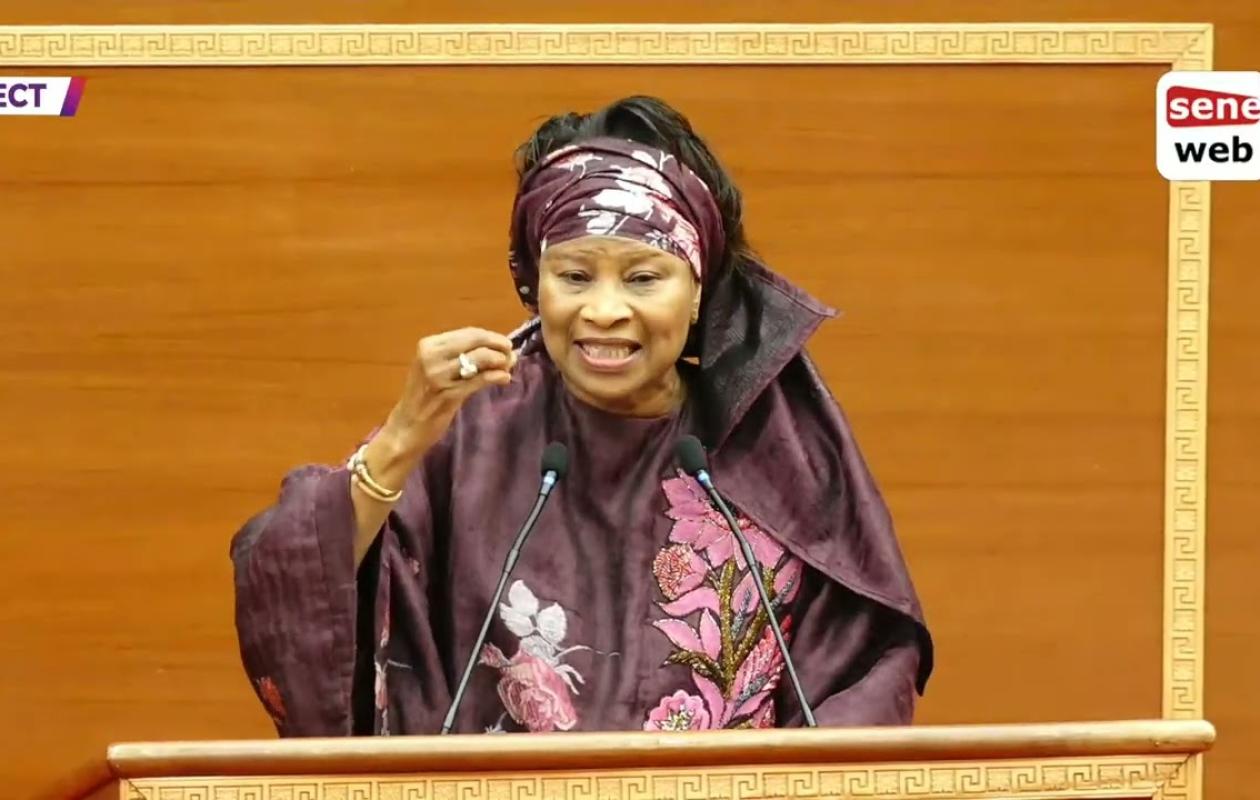
Statut du lanceur d’alerte : Les mises en garde d’Aïssata Tall Sall (vidéo)
Aïssata Tall Sall expressed several reservations about the wording and spirit of the text of the law on the status and protection of whistleblowers.
According to her, there is a fundamental gap: the law defines whistleblowers, but not whistleblowing itself. "We want to protect whistleblowers, but we must first define what whistleblowing is. In all countries that have legislated on the issue, the definition of whistleblowing is enshrined in a specific article," she stressed.
She cited a decision of the French Council of State of March 6, 2015, which establishes four criteria. These are that the alert must relate to specific facts of which one has personal knowledge, in addition that the facts must constitute an offense provided for by law, and that the alert must be aimed at the general interest and must be based on proven facts.
The MP also warned against the provision providing for compensation for whistleblowers. "When the alert is made in the public interest, it should not be remunerated. Otherwise, we open the door to confusion between public interest and personal interest. In all the systems I have studied, the whistleblower is never remunerated," she said.
Finally, she insisted on the need to provide for severe criminal sanctions against false alerts, believing that "the best way to kill the system is to allow alerts everywhere."
According to Mr. Tall Sall, false denunciations risk discrediting genuine whistleblowers and undermining the effectiveness of the mechanism.
























Commentaires (15)
Mâchâ Allâh Me Sall
Participer à la Discussion
Règles de la communauté :
💡 Astuce : Utilisez des emojis depuis votre téléphone ou le module emoji ci-dessous. Cliquez sur GIF pour ajouter un GIF animé. Collez un lien X/Twitter, TikTok ou Instagram pour l'afficher automatiquement.