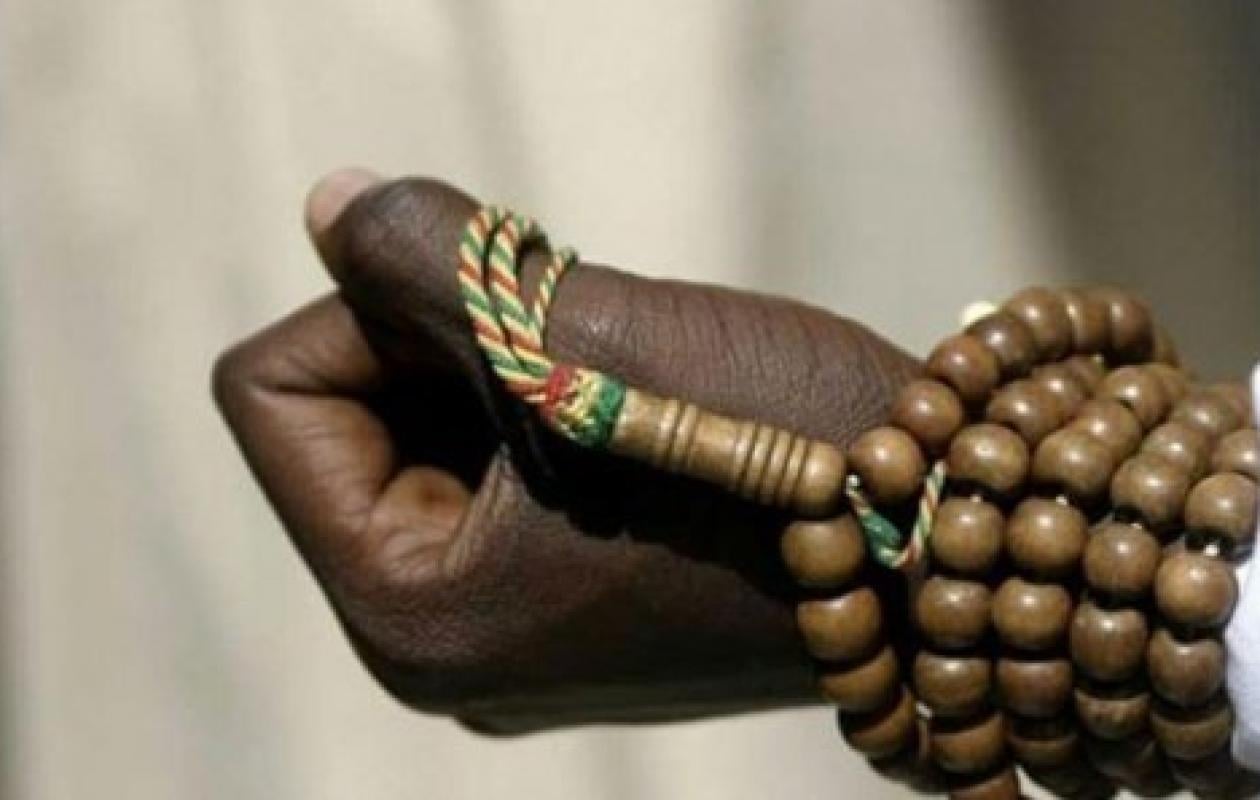
Thiès : Poursuivi pour viol, un maître coranique acquitté au bénéfice du doute
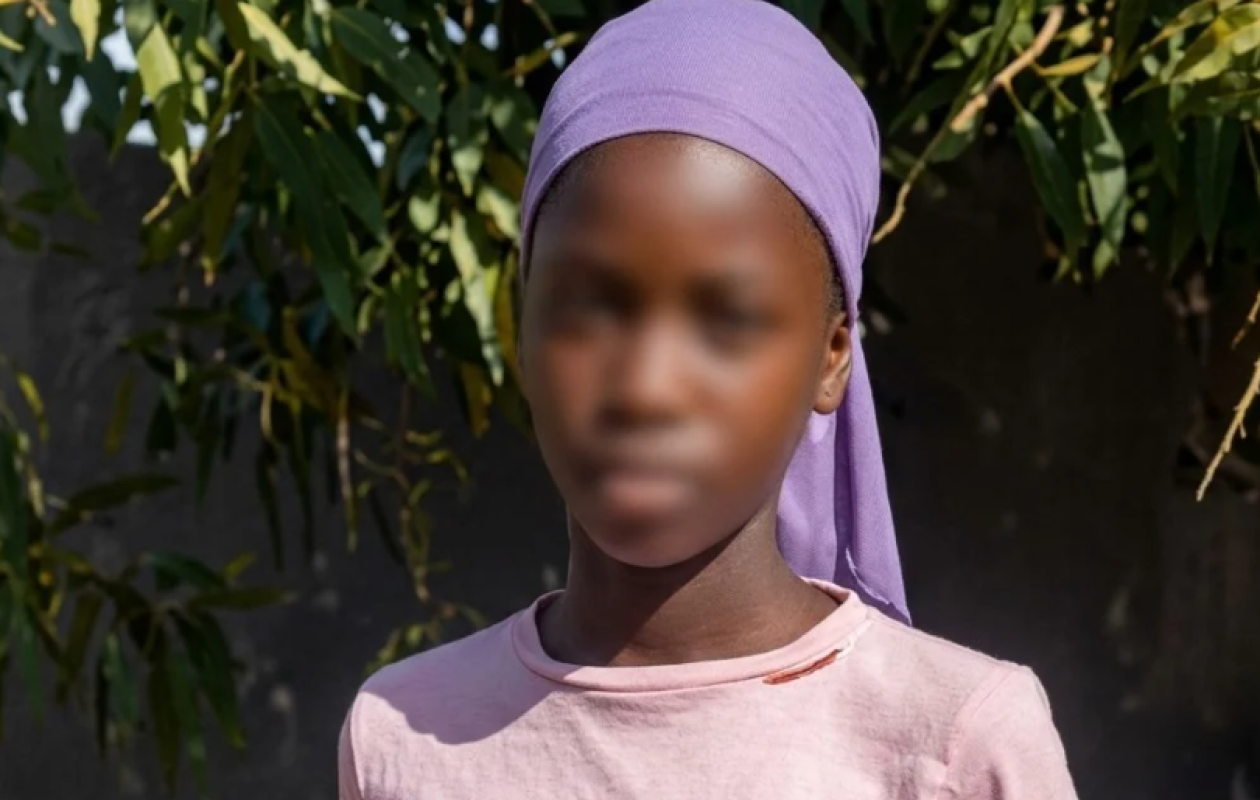
Quranic teacher A. Ndiaye, residing in the Mbour 1 district of Thiès, was tried on Monday, March 23, 2026, by the criminal chamber of the Thiès High Court for rape, pedophilia, and abduction of a minor, specifically a four-year-old student who accused him. These alleged acts took place in February 2024.
After deliberation, the chamber announced on Wednesday, May 13, the acquittal of the defendant due to reasonable doubt.
According to the mother's testimony in court, the incident was discovered on a Sunday evening when her daughter returned home and noticed bleeding from her private parts. A gynecologist she consulted remotely recommended immediate medical attention.
The child was first admitted to a clinic, then referred to the regional hospital in Thiès where medical examinations concluded that she had been sexually assaulted, with a certificate attesting to a recent loss of hymen.
When questioned, the girl identified her Quranic teacher as the perpetrator. He was arrested by the police and remanded in custody.
In court, the defendant firmly denied the accusations, claiming that such an act had never crossed his mind. He described a family atmosphere within his daara, believing it impossible for him to act without being noticed by his deceased wife, his children, or his nephews.
For her part, the victim maintained her statements before the judge, again identifying A. Ndiaye as solely responsible for her injuries. Despite some hesitations noted during the hearing, she remained consistent on the core of her accusations.
“I had left the daara to look for drinking water in the house. That’s how A. Ndiaye led me to his room, made me lie down on his bed, and took out a knife. He blindfolded me before injuring me with the knife,” the girl confided.
Her mother also testified, mentioning her daughter's persistent trauma, who is still undergoing medical treatment.
The lawyer for the plaintiff argued that the proceedings before the criminal court had brought to light several consistent elements of the case. According to her, the victim's statements, despite her being a minor, remained consistent regarding the essential facts and the identity of the accused. She also maintained that the medical evidence and the documents in the case file corroborated the accusations.
Consequently, the lawyer asked the court to find the defendant guilty and to sentence him to a penalty that the public prosecutor deems appropriate.
The public prosecutor had acknowledged the existence of material elements in the case, including the medical report indicating a recent injury, as well as documents seized during the investigation.
However, he maintained that the essential question remained that of the defendant's responsibility. Given the current state of the case, he expressed doubts about the possibility of definitively establishing the accused's guilt, and stated that his conscience prevented him from requesting a sentence against the defendant.
The latter, defended by lawyers Mbodj, Sy, Ndiaye and Sène, contested the accusations against their client and argued that the case contained many inconsistencies and that the evidence presented did not establish the guilt of the accused.
Furthermore, the civil party's statements lacked coherence and were not based on sufficiently solid evidence, but rather relied primarily on uncorroborated accusations. Before pleading for the outright acquittal of A. Ndiaye.






![[EXCLUSIF] Expulsion de la famille Srour : L'accusée Khady Diagne se prononce, documents à l'appui](https://image.seneweb.com/content/news/2026-20-14//thumb_1260x800_6a05cc2715573_a9nMMiStMC.jpg)












Commentaires (1)
Participer à la Discussion
Règles de la communauté :
💡 Astuce : Utilisez des emojis depuis votre téléphone ou le module emoji ci-dessous. Cliquez sur GIF pour ajouter un GIF animé. Collez un lien X/Twitter, TikTok ou Instagram pour l'afficher automatiquement.