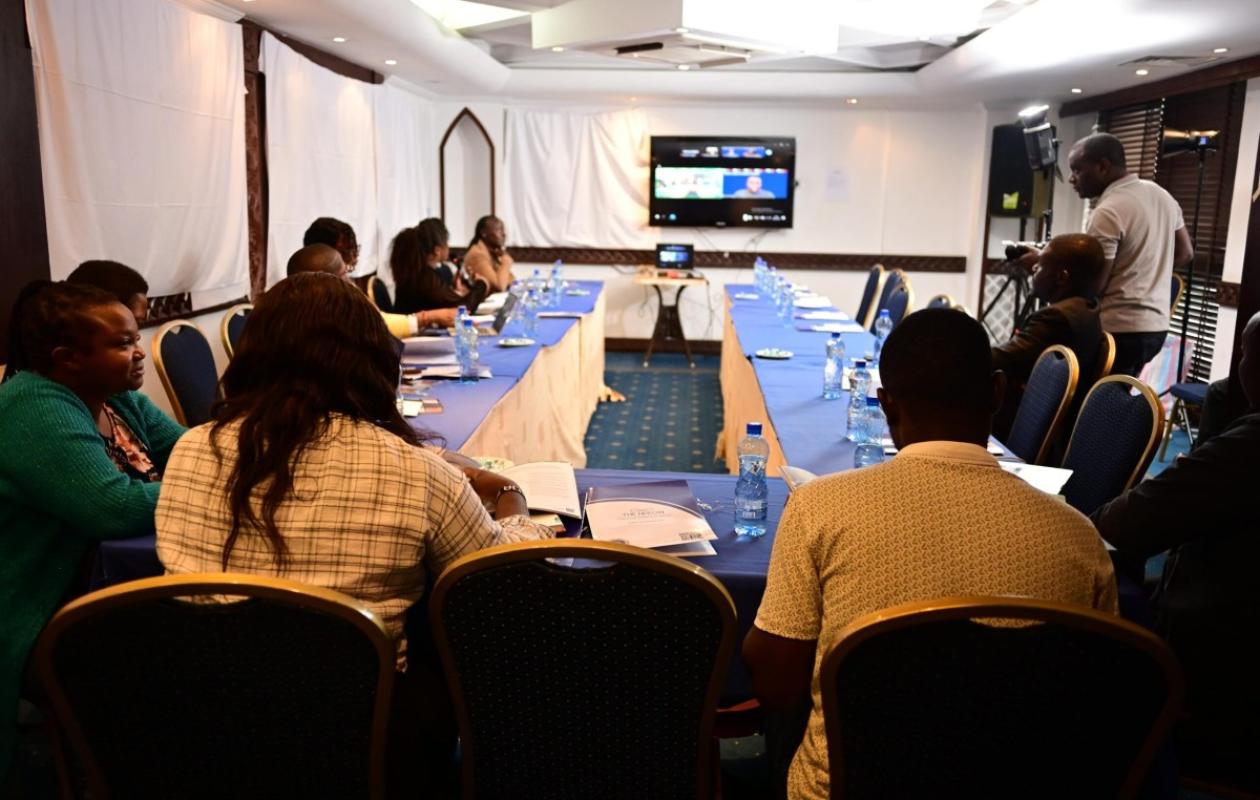
Médias et santé en Afrique : un rapport tire la sonnette d’alarme et évoque un « code rouge » pour le journalisme
Health journalism in Africa is going through a critical period, marked by increasing pressures and a lack of resources, even as the continent's health challenges intensify. This is one of the key findings of the 2026 Africa Health Media Trends Report, published on February 26 in Nairobi by FINN Partners. Based on contributions from journalists, editors, and advocates from 11 African countries, the report paints "a worrying picture of media coverage of health issues. Professionals in the sector now face reduced funding from donors, the rise of non-communicable diseases, such as cancer, diabetes, and mental health disorders, as well as the persistence of infectious diseases and the health impacts of climate change."
In this context, many newsrooms operate with limited resources, reduced specialized health services, and restricted access to reliable and up-to-date data. “We are at a pivotal moment for health communication in Africa,” emphasizes Peter Finn, founding partner and managing director of FINN Partners. According to him, when journalism lacks resources, the entire public health system suffers. “Effective health systems rely on robust media ecosystems. Journalists must be considered essential partners, not mere intermediaries,” he insists.
The changing landscape of global finance is at the heart of these narratives.
The report also highlights a major shift in the topics covered by the media. Transformations in global health financing now occupy a central place in journalistic narratives. These changes are forcing many African countries to rethink their health sovereignty, strengthen domestic financing, and develop local production of health solutions.
Journalists are thus called upon to translate these complex political issues into concrete impacts for the population. For Maryam Bigdeli, a health systems specialist, the way the media covers these issues directly influences public trust and political priorities. She believes that African countries must focus their efforts on building resilient health systems based on strong primary care, sustainable financing, and accountable governance.
Towards solutions journalism
Despite the challenges, the report highlights an encouraging trend. A growing number of African journalists are embracing data-driven, solutions-oriented journalism that emphasizes local expertise and realities. Across the continent, professionals are calling for greater recognition of African experts, researchers, and practitioners as authoritative sources.
According to Sheriff Bojang, a journalist with The Africa Report magazine, African reporters want to tell high-impact stories but are hampered by a lack of resources. "We are now moving beyond simply rehashing Western studies. The priority today is to contextualize global health news to show how it affects our communities," he explains.
A call to support local journalism
The report concludes with a call to action addressed to governments, NGOs, donors, and the private sector. The authors advocate for increased investment in local journalism, improved access to data and African experts, and the building of sustainable partnerships between the media and health actors. The goal is to strengthen the flow of reliable information to improve public health outcomes across the continent.




















Commentaires (1)
Participer à la Discussion
Règles de la communauté :
💡 Astuce : Utilisez des emojis depuis votre téléphone ou le module emoji ci-dessous. Cliquez sur GIF pour ajouter un GIF animé. Collez un lien X/Twitter, TikTok ou Instagram pour l'afficher automatiquement.