
Placement d'Ameth Ndoye sous bracelet électronique : La lecture de Thierno Bocoum sur la décision du juge
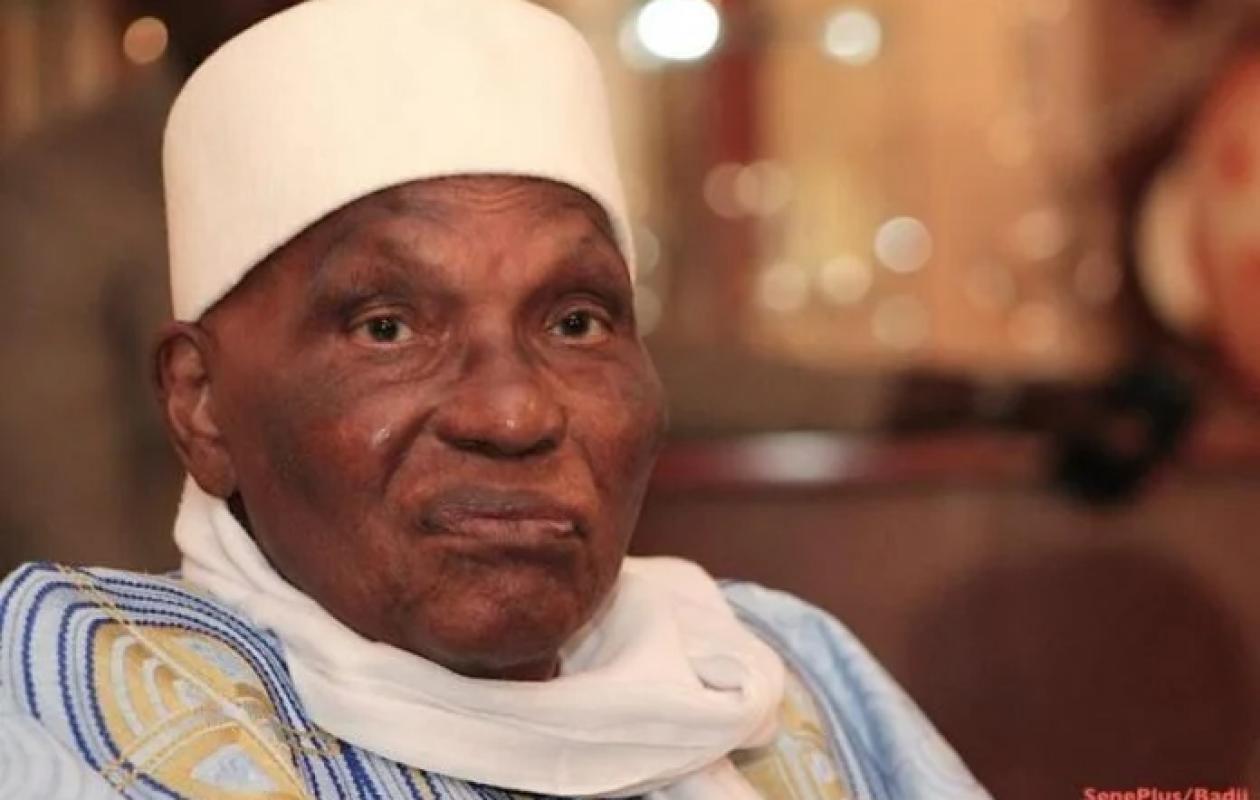
Columnist Ameth Ndoye has been placed under house arrest with an electronic bracelet. For the president of the Agir-Les Leaders movement, the judge's decision is both good and bad news.
"Law No. 2020-28 of July 7, 2020, amending the Penal Code, introduced electronic monitoring as a method of sentence adjustment five years ago. This measure, designed to make justice more humane and limit abuses of pre-trial detention, should have long ago been applied to citizens such as Badara Gadiaga, Abdou Nguer, Soya Diagne and many others, unjustly deprived of liberty without having been tried," said Thierno Bocoum.
By applying this mechanism, the opponent believes that the judge reminded everyone that detention is not the rule, but the exception.
For Thierno Bocoum, the bad news is that the offense of "insulting a person holding the prerogatives of the head of state" continues to be used, even though it is legally impossible. According to him, Article 50 of the Constitution stipulates that "the President of the Republic may delegate, by decree, certain powers to the Prime Minister or other members of the government."
He stressed that this Penal Code, in its article 254 paragraph 2, provides that "the penalties applicable to offenses against the head of state also apply to the person exercising all or part of his prerogatives."
Mr. Bocoum believes that a combined reading of these texts leaves no room for doubt. "Without a decree of delegation, no one can exercise these prerogatives, and therefore no offense can be attributed to them. Administrative law is clear that any delegation must be express, never tacit. In the absence of a decree, there is neither a transferred prerogative nor a possible offense," he stated.
He added that the fundamental principle of criminal law nullum crimen, nulla poena sine lege opposes it with absolute certainty.
That is why, he noted, the judges logically acquitted Assane Diouf, Bah Diakhaté or Moustapha Diakhaté, in the face of a persistent public prosecutor.
"To prosecute on the basis of a non-existent offense is to manufacture the crime by political will and not by law. Abuse of rights is nothing other than arbitrariness, and arbitrariness remains the worst adversary of justice," he stressed.
Ultimately, for Thierno Bocoum, the decision in the Ahmeth Ndoye case serves as a reminder that when a judge applies the law in its true spirit, justice regains its nobility. But it also reminds us that as long as we continue to invent offenses to silence dissent, the Republic will remain vulnerable to arbitrary rule.





















Commentaires (7)
Participer à la Discussion
Règles de la communauté :
💡 Astuce : Utilisez des emojis depuis votre téléphone ou le module emoji ci-dessous. Cliquez sur GIF pour ajouter un GIF animé. Collez un lien X/Twitter, TikTok ou Instagram pour l'afficher automatiquement.