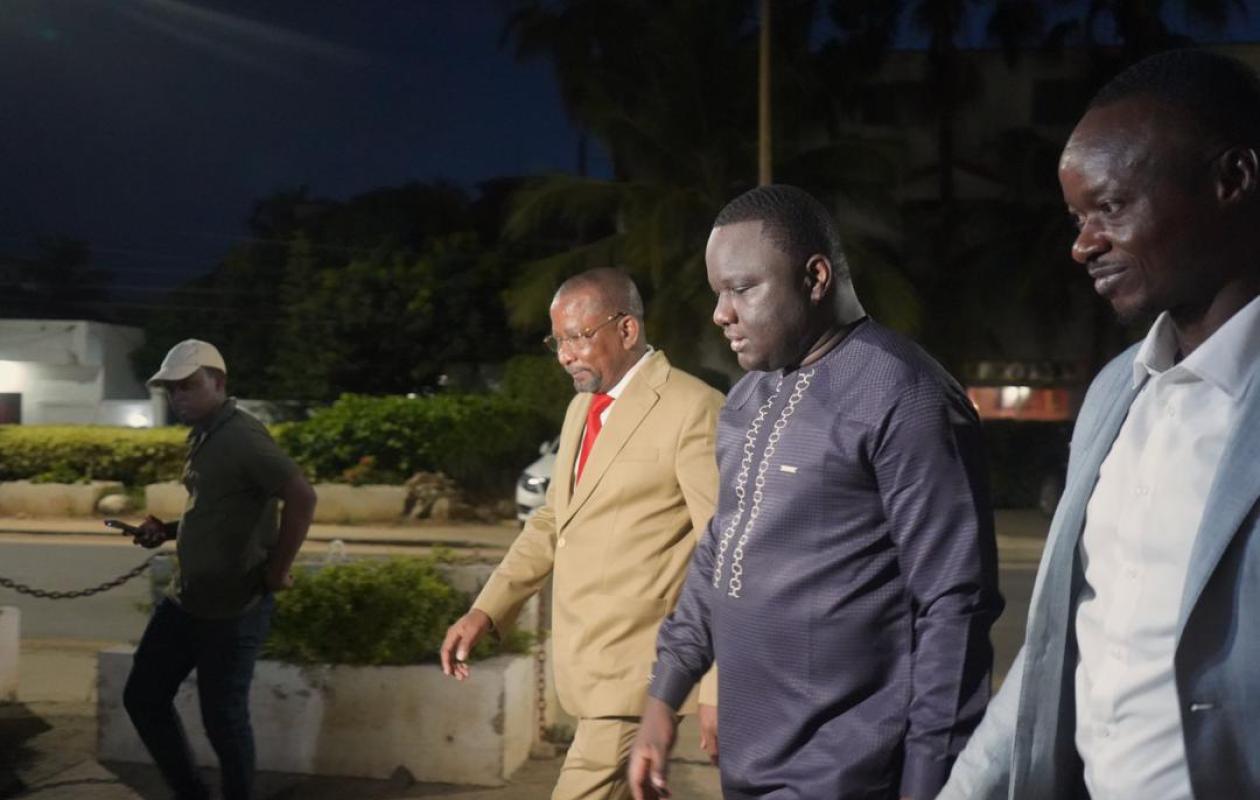
Infrastructures : Des préoccupations majeures sur l’equité territoriale, la gouvernance et le financement
The Ministry of Infrastructure's 2026 draft budget is currently being examined in plenary session by the Commissioners of the National Assembly. While praised for its ambition and alignment with the National Transformation Agenda Senegal 2050 and the National Development Strategy (2025-2029), the ministry is under pressure. The debates have revealed major concerns regarding the scope of its responsibilities, funding, governance, and especially territorial equity.
Parliamentarians raised concerns that the ministry's excessive responsibilities were deemed too broad to allow for the efficient and rapid implementation of projects. They recommended the development of a formal sectoral policy document to better guide the direction of this new department.
A strong dependence on external funding
The budget allocates 98% of funds to investment, a unique achievement among ministries, but one that has raised concerns. Several members of parliament have pointed to an excessive reliance on external financing in a context of over-indebtedness and a downgrade of Senegal's sovereign credit rating.
The risk of withdrawal by certain technical and financial partners, illustrated by the IMF's case regarding the RN5 project, was cited as a warning sign. In response, proposals were made to develop endogenous financing mechanisms, particularly through public-private partnerships (PPPs) involving the diaspora.
Concerns about transparency and governance
The management of public procurement was a sensitive issue. The Commissioners denounced the repeated amendments to contracts, the recurring budget overruns and the risk of misappropriation of public funds.
They also reiterated the presidential directive requiring that 15% of contracts be reserved for local tradespeople and urged the Minister to ensure its effective implementation. The delay in VAT refunds to construction companies was also deplored, as it severely impacts their cash flow and slows down project completion.
The glaring challenge of territorial injustice
One of the most hotly debated points remains the perceived territorial injustice in the allocation of projects. Numerous localities have been cited as being neglected, including: Médina Yorofoula, Malem Hodar, Mbacké, Ndindi, Kaffrine, Sédhiou, Salémata, Koumpentoum, Gorée, Kédougou, Dindéfelo, Linguère, Vélingara, and Bignona. Some members of parliament have deemed the budget allocated to roads in these areas derisory, given that opening up access remains a fundamental driver of economic and social development for these regions.



![[EXCLUSIF] Expulsion de la famille Srour : L'accusée Khady Diagne se prononce, documents à l'appui](https://image.seneweb.com/content/news/2026-20-14//thumb_1260x800_6a05cc2715573_a9nMMiStMC.jpg)











Commentaires (0)
Participer à la Discussion
Règles de la communauté :
💡 Astuce : Utilisez des emojis depuis votre téléphone ou le module emoji ci-dessous. Cliquez sur GIF pour ajouter un GIF animé. Collez un lien X/Twitter, TikTok ou Instagram pour l'afficher automatiquement.