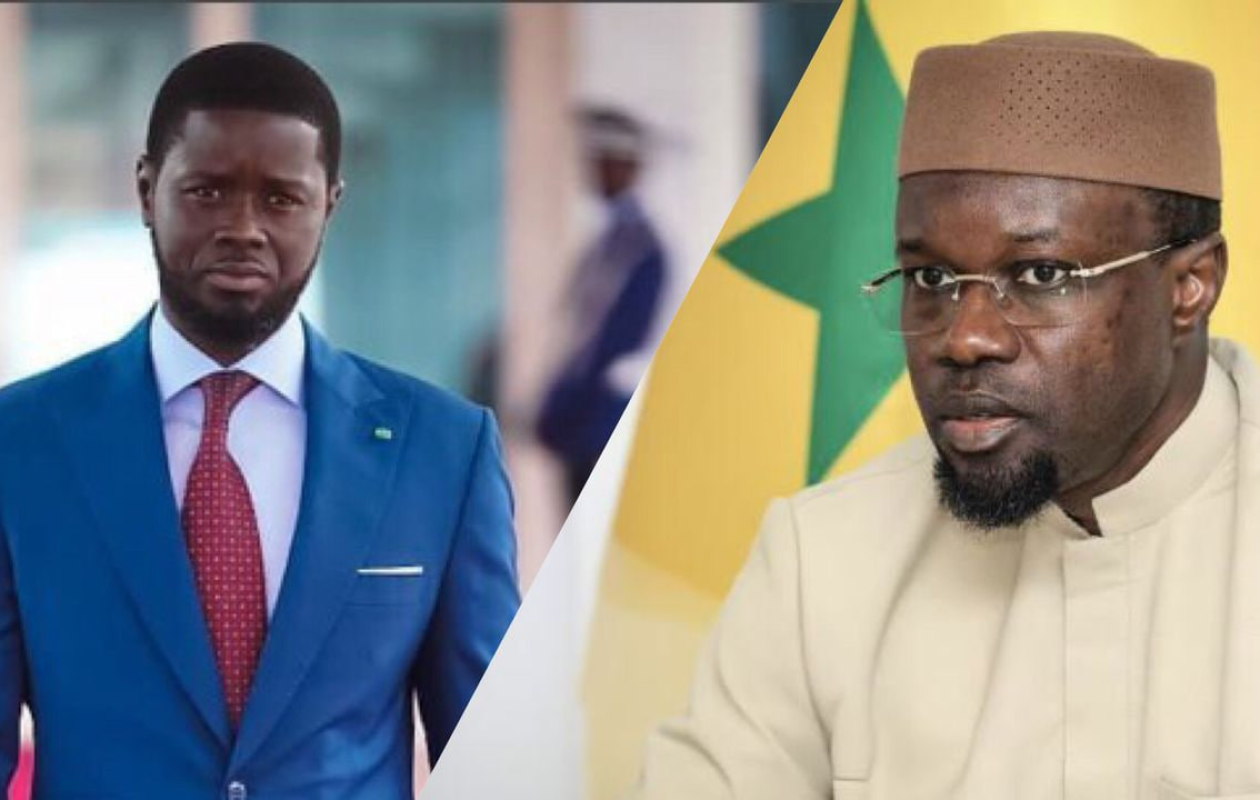
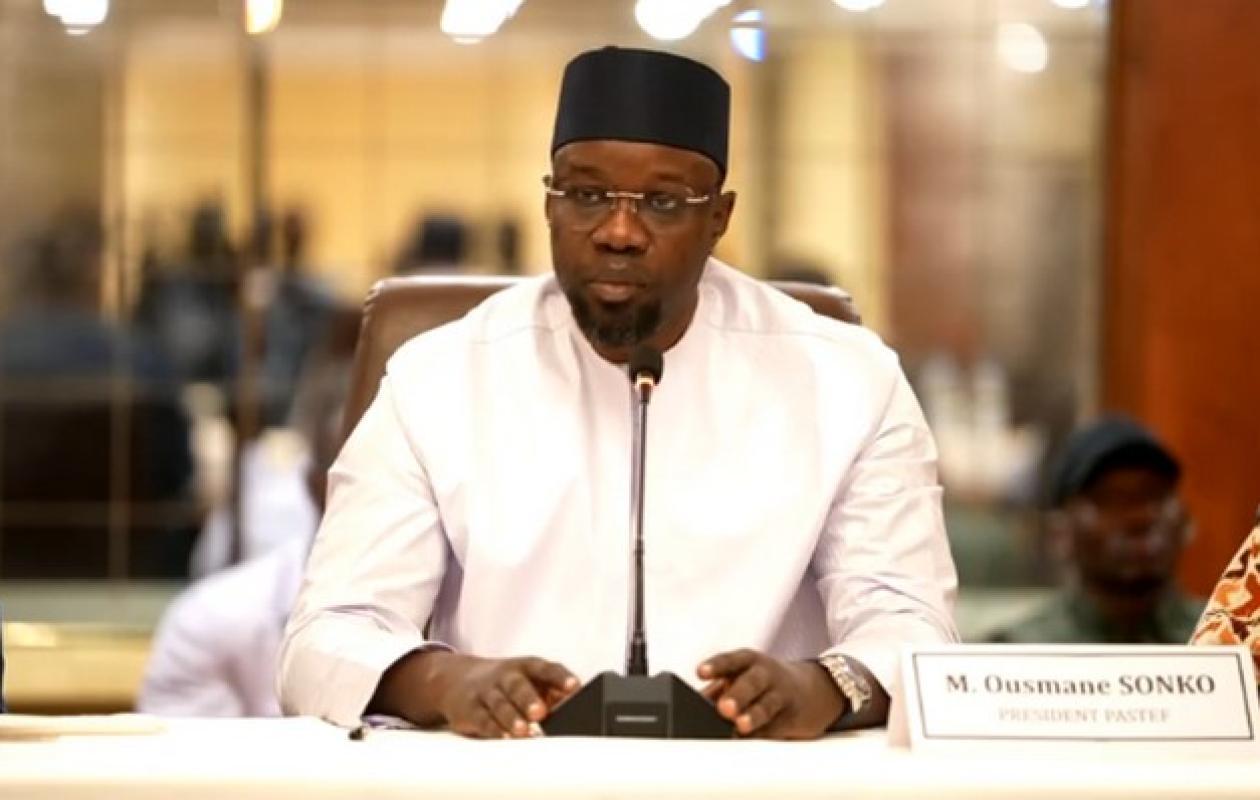
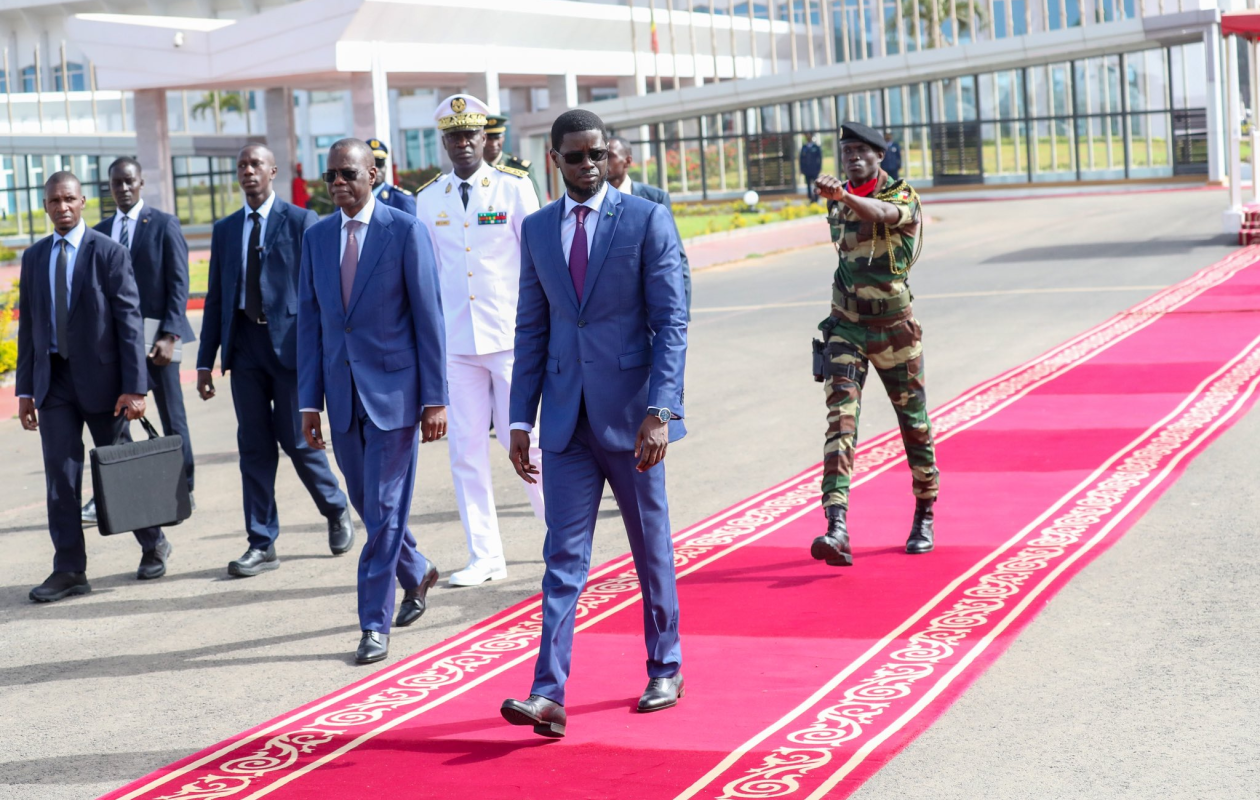
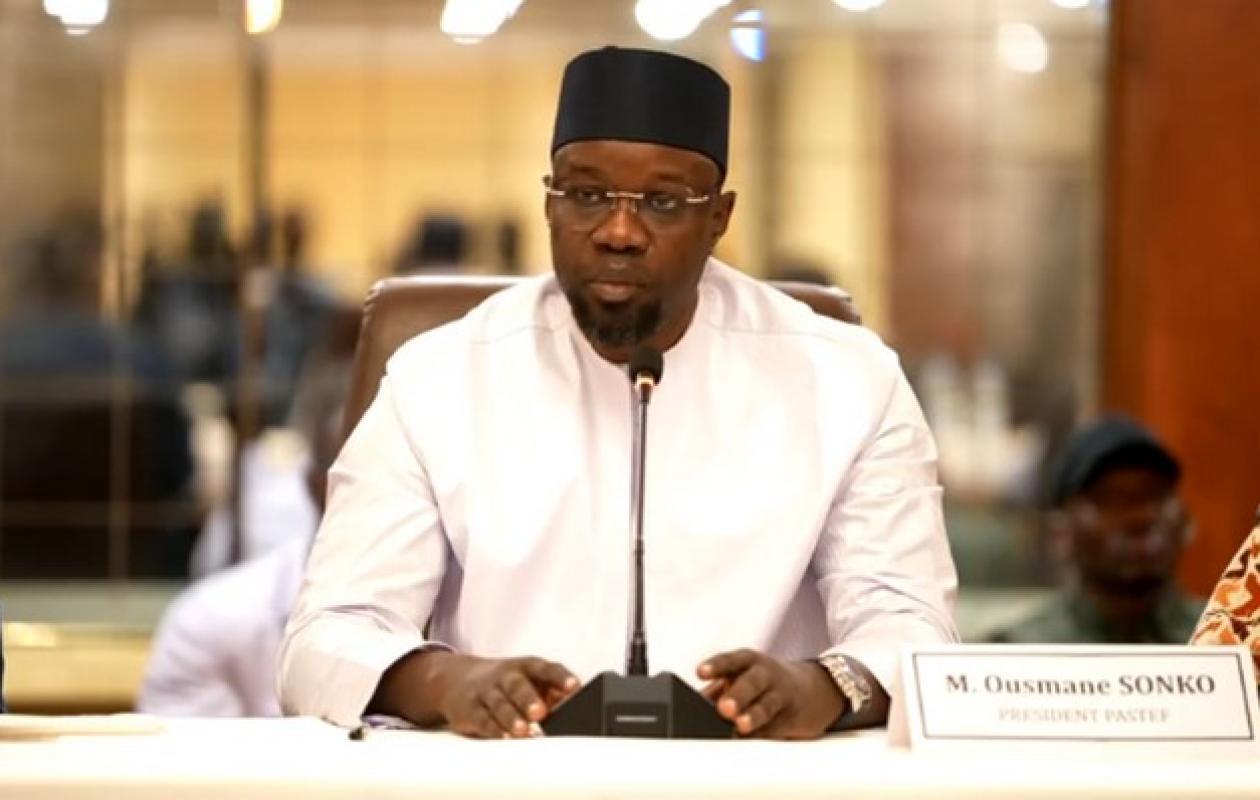
The widely discussed dismissal of Prime Minister Ousmane Sonko by Senegalese President Bassirou Diomaye Faye appears to many observers as a sign of a major political shift at the highest levels of government. The man who, just a few months ago, embodied the hope for a radical break with the old system now seems to be gradually distancing himself from the commitments that brought his party to power in the 2024 presidential election. Ousmane Sonko had, however, played a central role in Bassirou Diomaye Faye's victory.
Unable to run himself, Sonko had made his ally the standard-bearer of a political project focused on sovereignty, institutional reform, and a break with the practices of the old regime. This momentum had sparked immense hope among a segment of the Senegalese population, weary of years of political tension under Macky Sall.
But just a few months after taking office, Bassirou Diomaye Faye seems to have taken a very different direction from the one announced during the election campaign. Several recent decisions are now fueling criticism from those who believe the new President is primarily seeking to consolidate his personal power, even if it means getting closer to the political networks he previously denounced.
The recent National Dialogue held at the presidential palace made a particularly strong impression. During this event, the Head of State held numerous consultations with several figures from the former regime, even though he had publicly promised a clean break with that political system. Among the invited personalities was Amadou Ba, a former close associate of Macky Sall, the former regime's candidate in the 2024 presidential election, and the current leader of the opposition.
For many observers, this openness towards representatives of the old regime demonstrates that the promised break was never truly initiated. On the contrary, Bassirou Diomaye Faye now appears to be showing signs of a gradual rapprochement with traditional political circles, at the risk of disappointing a significant portion of his electorate.
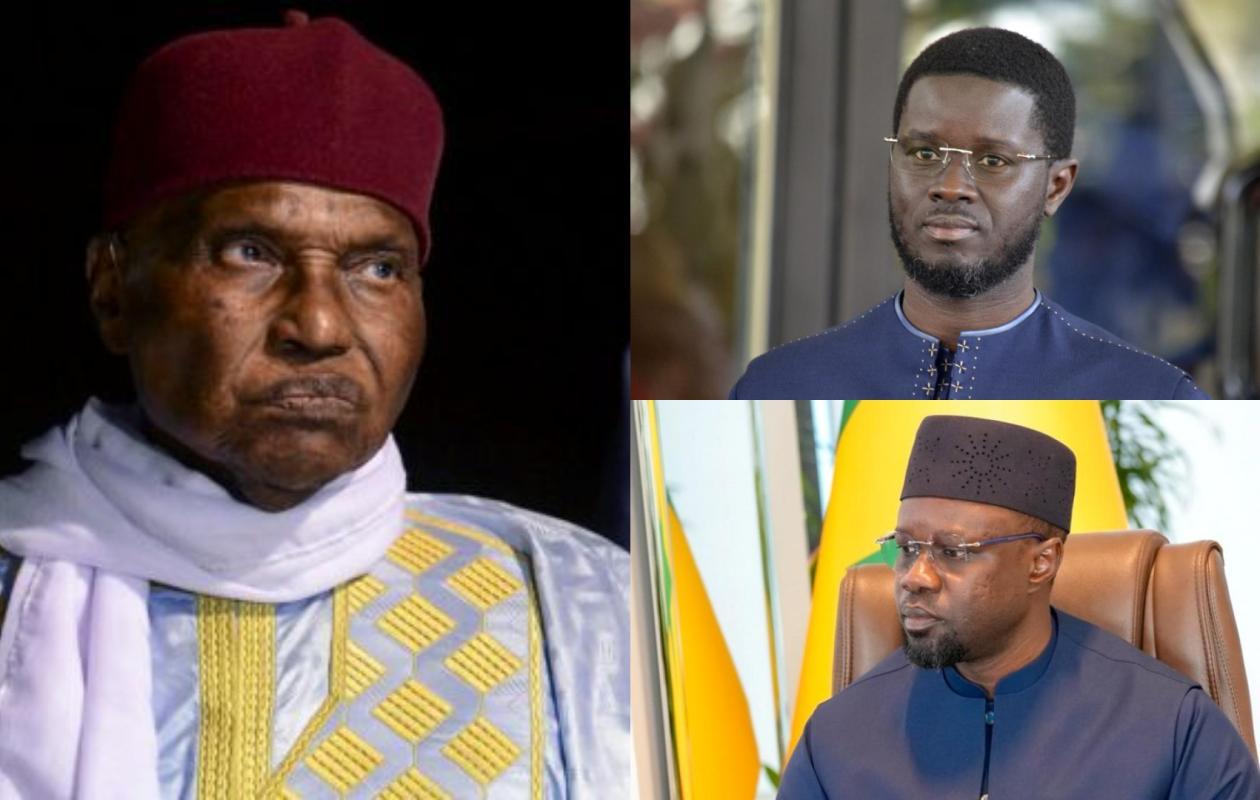
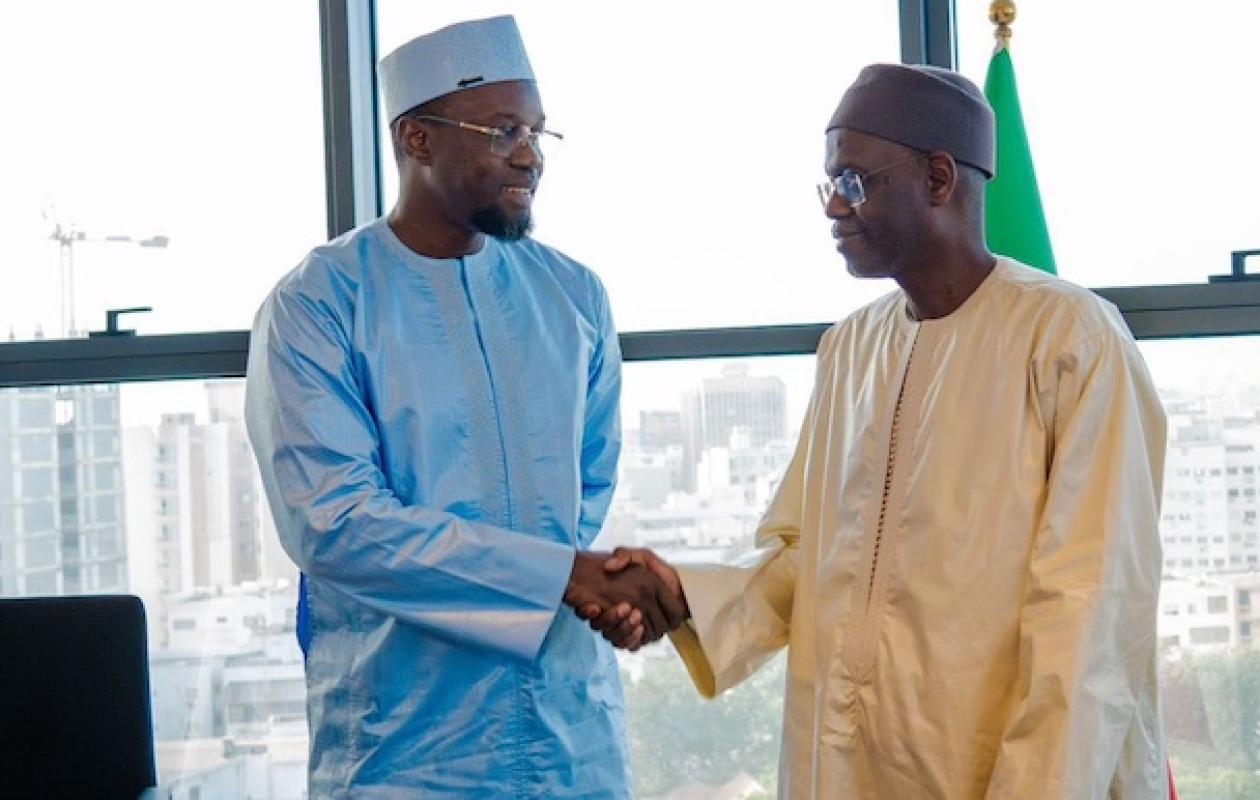
The growing distance between Bassirou Diomaye Faye and Ousmane Sonko also appears to be one of the most visible symptoms of this political shift. Long considered inseparable, the two men now seem to be following diverging paths. Sonko's marginalization is interpreted by some analysts as a desire on the part of the President to free himself from the influence of a Prime Minister who has become too powerful on the national political scene.
This development also fuels questions about the president's ambitions for the future. Some already see it as a strategy to gain external support, particularly from Paris, in order to strengthen his political position and prepare for a possible second term.
While many Senegalese had placed their hopes in a profound transformation of the political system, the decisions made since Bassirou Diomaye Faye came to power are now fueling a growing sense of disillusionment. Caught between rapprochement with figures of the old regime and a gradual distancing from promises of sovereignty, the Senegalese government now seems to be facing a crisis of confidence that could quickly reshape the country's political landscape.
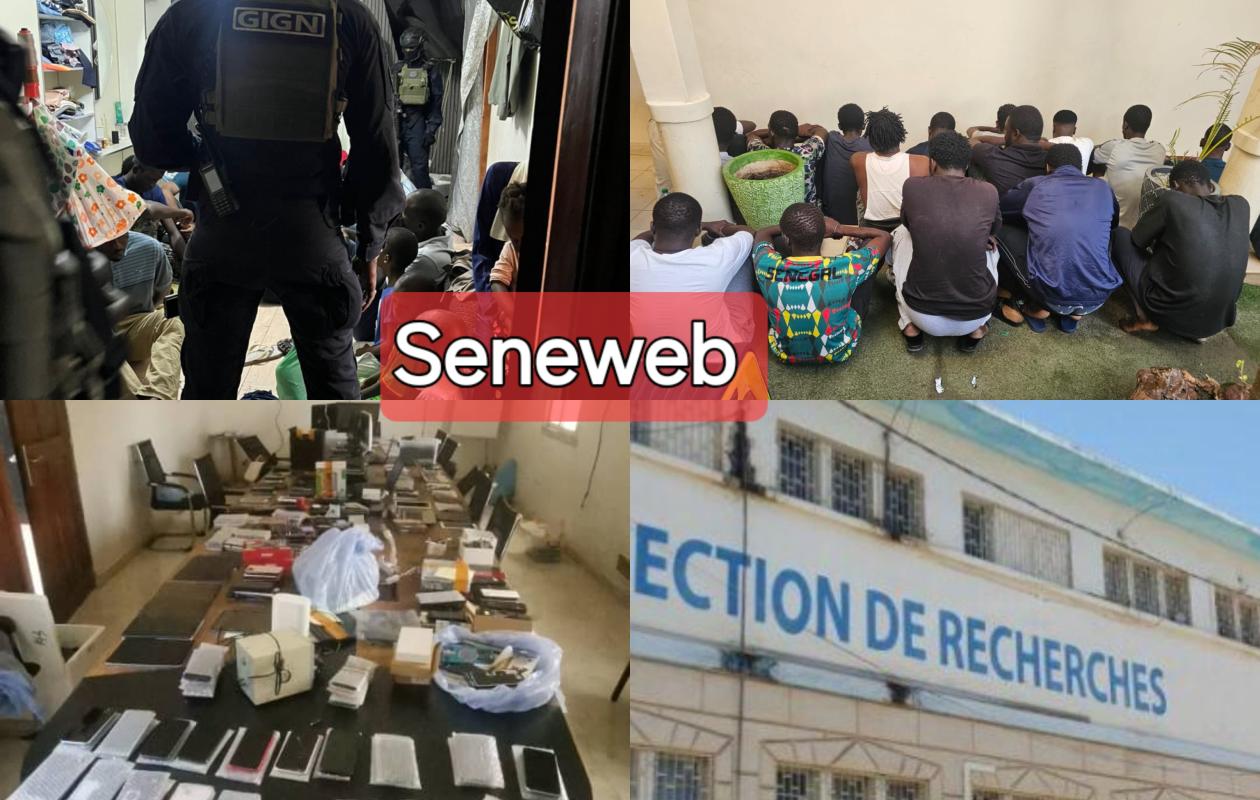
![[EXCLUSIF] Réseau de voleurs démantelé à Colobane : 500 téléphones, 33 tablettes et des ordinateurs saisis par la SR et le GIGN, 23 arrestations](https://image.seneweb.com/content/news/2026-22-30//thumb_1260x800_6a1b6ac9bcdc7_zf1U3G3p2i.jpg)








Commentaires (1)
Participer à la Discussion
Règles de la communauté :
💡 Astuce : Utilisez des emojis depuis votre téléphone ou le module emoji ci-dessous. Cliquez sur GIF pour ajouter un GIF animé. Collez un lien X/Twitter, TikTok ou Instagram pour l'afficher automatiquement.