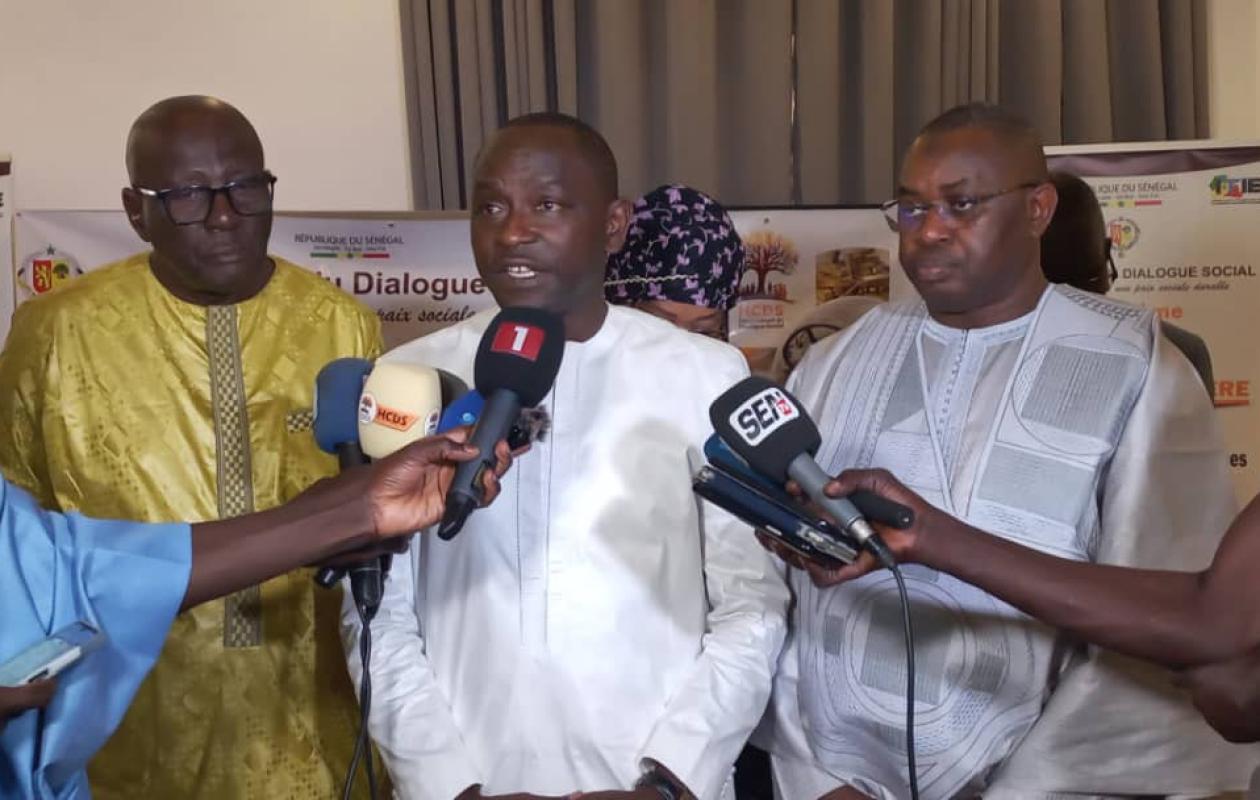
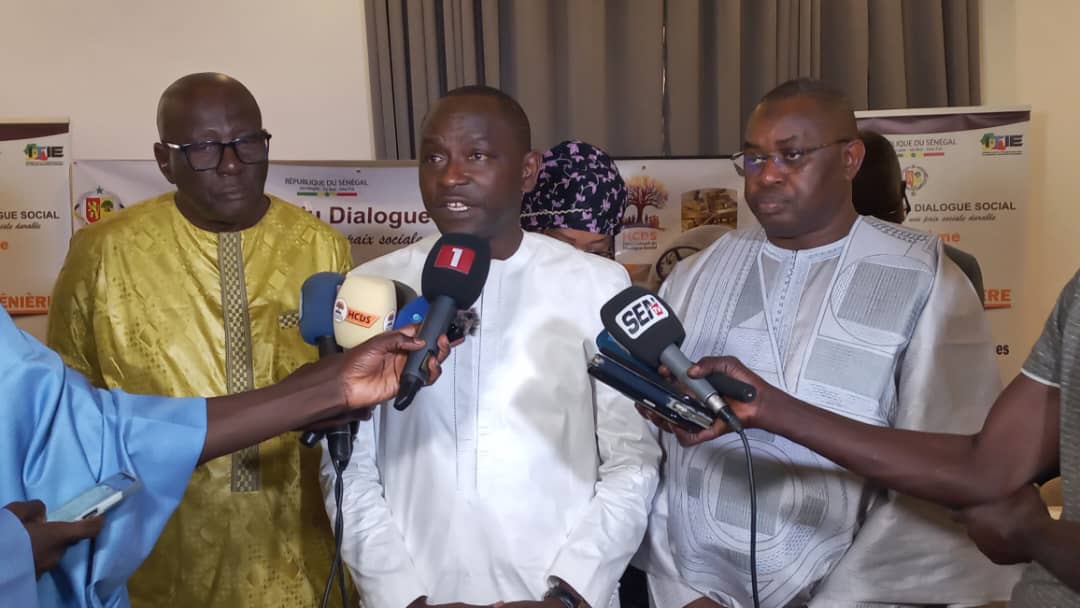
Gouvernance des ressources naturelles : L’ITIE et le HCDS plaident pour la transparence et la paix sociale
The 43rd Plenary Assembly of the High Council for Social Dialogue (HCDS) devoted its work to the governance of natural resources in Senegal, in a context marked by the country's entry into a new oil and gas era with the exploitation of the Sangomar oil field and the Grand Tortue Ahmeyim gas deposits.
Gathered around the theme "The governance of natural resources in Senegal", the actors of social dialogue, transparency and extractive governance stressed the need for inclusive, transparent and equitable management of revenues from natural resources in order to preserve social cohesion and guarantee positive outcomes for the population.
Through this 43rd Plenary Assembly, the HCDS and the EITI Senegal reaffirm their commitment to promoting inclusive social dialogue and transparent governance of natural resources so that oil, gas and mineral resources become a factor of shared prosperity rather than a source of social division.
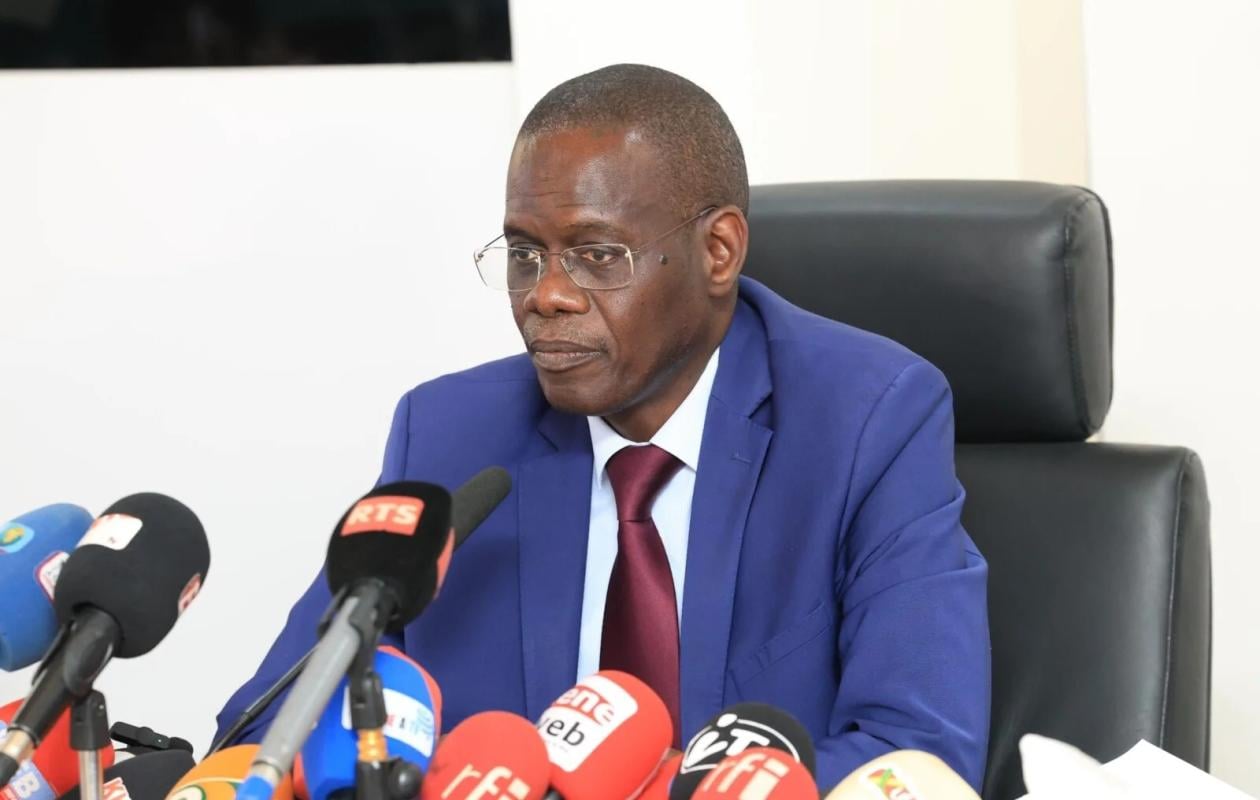
Thialy Faye, president of the National Committee of the Extractive Industries Transparency Initiative (EITI), recalled that this meeting comes "at a pivotal moment in the economic history of Senegal".
According to him, the new oil and gas resources open up significant economic, budgetary and industrial prospects, but also impose increased requirements in terms of governance, transparency and social inclusion.
The committee chairman stressed that international experience demonstrates that natural resources can be a powerful lever for development or, conversely, a source of tension and inequality when they are not managed in a transparent and participatory manner.
"The central issue today is not only the exploitation of natural resources, but above all their governance," he said, stressing the strategic role of the EITI in providing reliable information on extractive revenues, company payments, contracts, beneficial owners, and the environmental and social impacts of mining and oil activities.
According to Thialy Faye, this data helps to strengthen public accountability, prevent conflicts and establish a climate of trust between the State, businesses and citizens.
The chairman of the EITI National Committee also highlighted several major challenges that Senegal will have to face. He specifically mentioned the equitable redistribution of economic benefits in mining and oil areas, where local populations expect more jobs, infrastructure, and local development.
He also stressed the need to strengthen local content so that national companies, Senegalese workers, young people and women benefit more from the opportunities created by the exploitation of natural resources.
Another issue raised is the prevention of conflicts related to land, the environment, employment, or income redistribution. For Thialy Faye, these situations require permanent mechanisms for dialogue and mediation adapted to the Senegalese context.
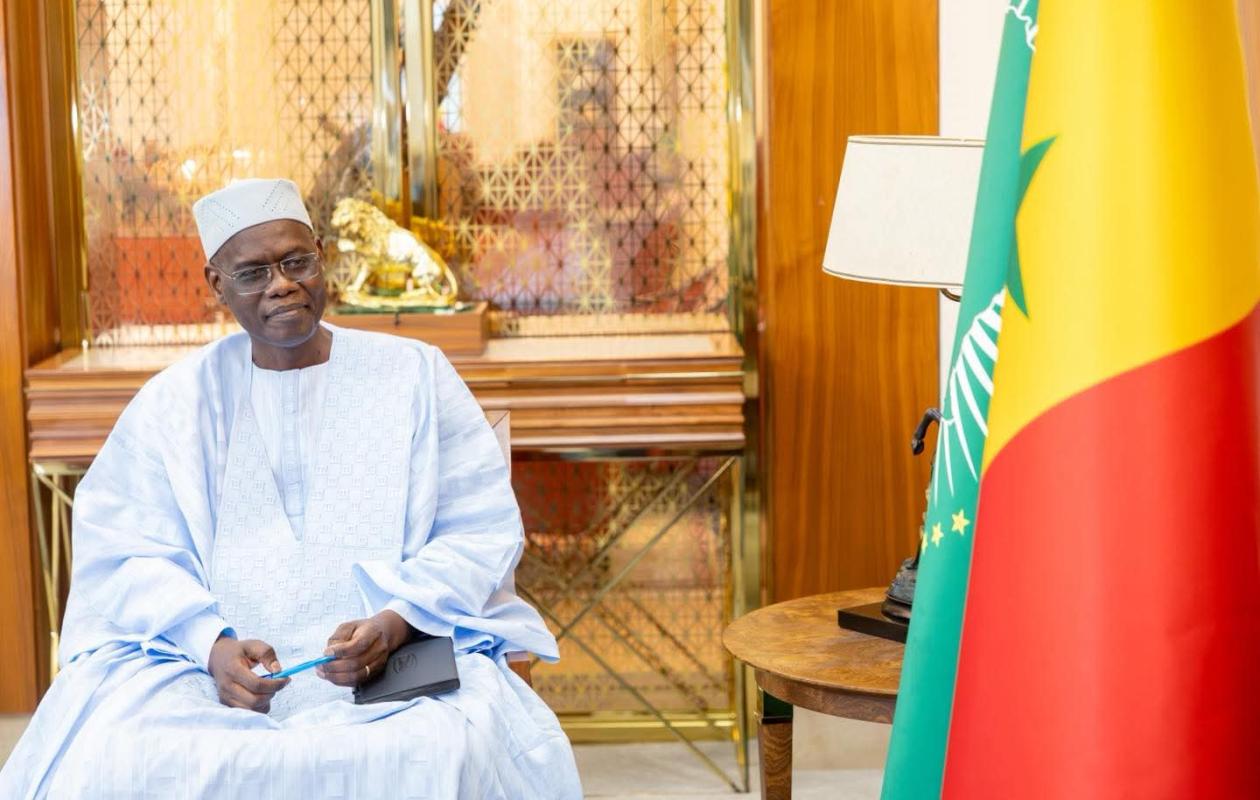
For his part, Mamadou Lamine Dianté recalled that the governance of natural resources is today a major strategic issue for public policies in Senegal.
He stressed that oil and gas discoveries have raised great hopes among the population, while also increasing expectations around the economic and social benefits of these resources.
The president of the HCDS particularly emphasized the provisions of article 25-1 of the Senegalese Constitution, according to which natural resources belong to the people and must be exploited transparently to improve the living conditions of the population and promote sustainable development.
Thus, for Mr. Dianté, this new economic dynamic requires virtuous governance, an equitable distribution of extractive revenues and an effective local content policy in order to guarantee social stability.
He also highlighted the role of the HCDS in preventing social tensions related to the extractive sector. "The extractive sector concentrates divergent and multifaceted interests," he explained, referring to the sometimes sensitive relationships between the State, operating companies, workers, local authorities, and local populations.
The HCDS president also praised Senegal's performance in implementing international transparency standards, noting that the country obtained a score of 89 out of 100 during its third validation by the international EITI.











Commentaires (0)
Participer à la Discussion
Règles de la communauté :
💡 Astuce : Utilisez des emojis depuis votre téléphone ou le module emoji ci-dessous. Cliquez sur GIF pour ajouter un GIF animé. Collez un lien X/Twitter, TikTok ou Instagram pour l'afficher automatiquement.