
Réforme du Code électoral : le cas Barthélémy Dias divise
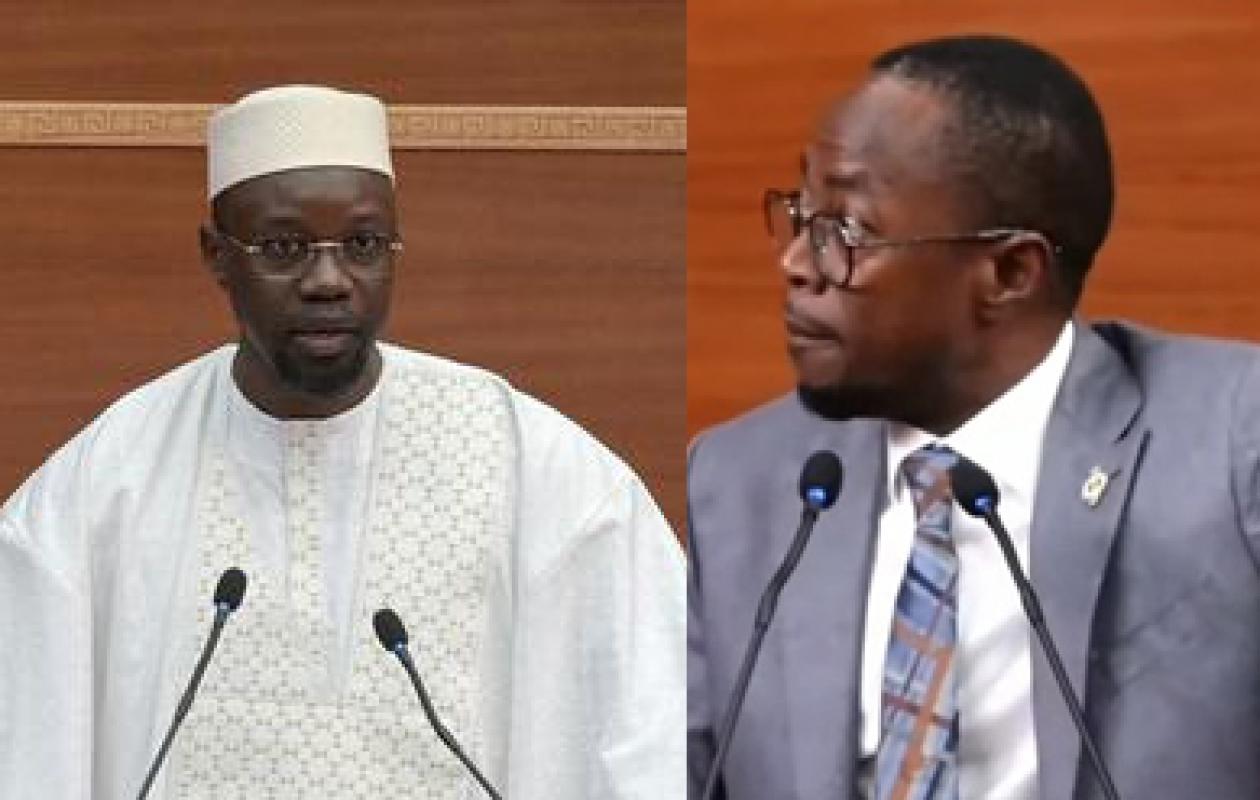
The principle of retroactivity of the law amending the electoral code, particularly articles L29 and L30, is likely to create "total confusion." This reform, initially intended to benefit Ousmane Sonko, could trigger an unexpected domino effect.
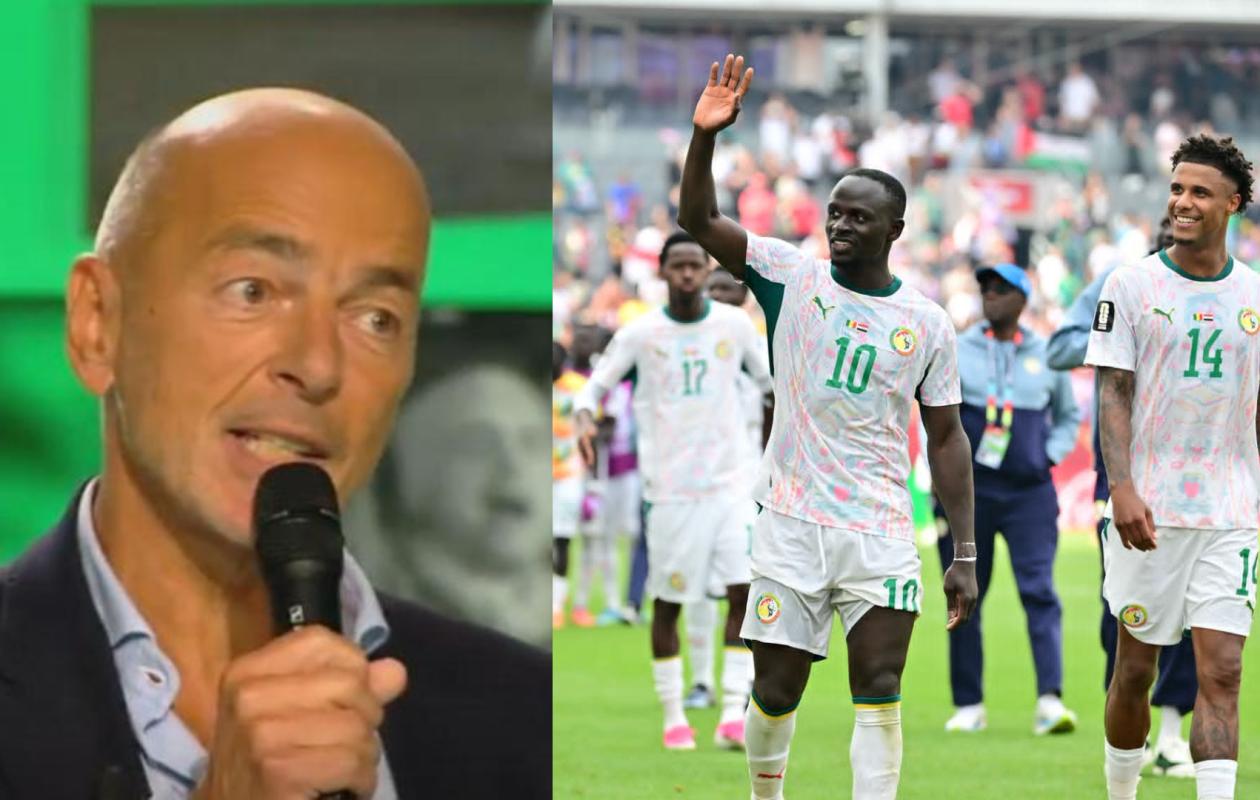
According to legal expert Dr. Aldiouma Touré, interviewed by Walfadjri, this could directly apply to Barthélémy Dias. He first points out that the former mayor of Dakar, removed from office and replaced by Abass Fall, had the murder charges reduced to involuntary manslaughter (a misdemeanor). He is therefore not subject to the articles of the General Code of Local Authorities concerning crimes or the embezzlement of public funds.
Therefore, to revoke his appointment, the State had to resort to Article L29 of the Electoral Code. Consequently, the expert believes that "the general and impersonal nature of the rule of law prohibits preventing Barth from benefiting from this law, which was expressly declared retroactive."
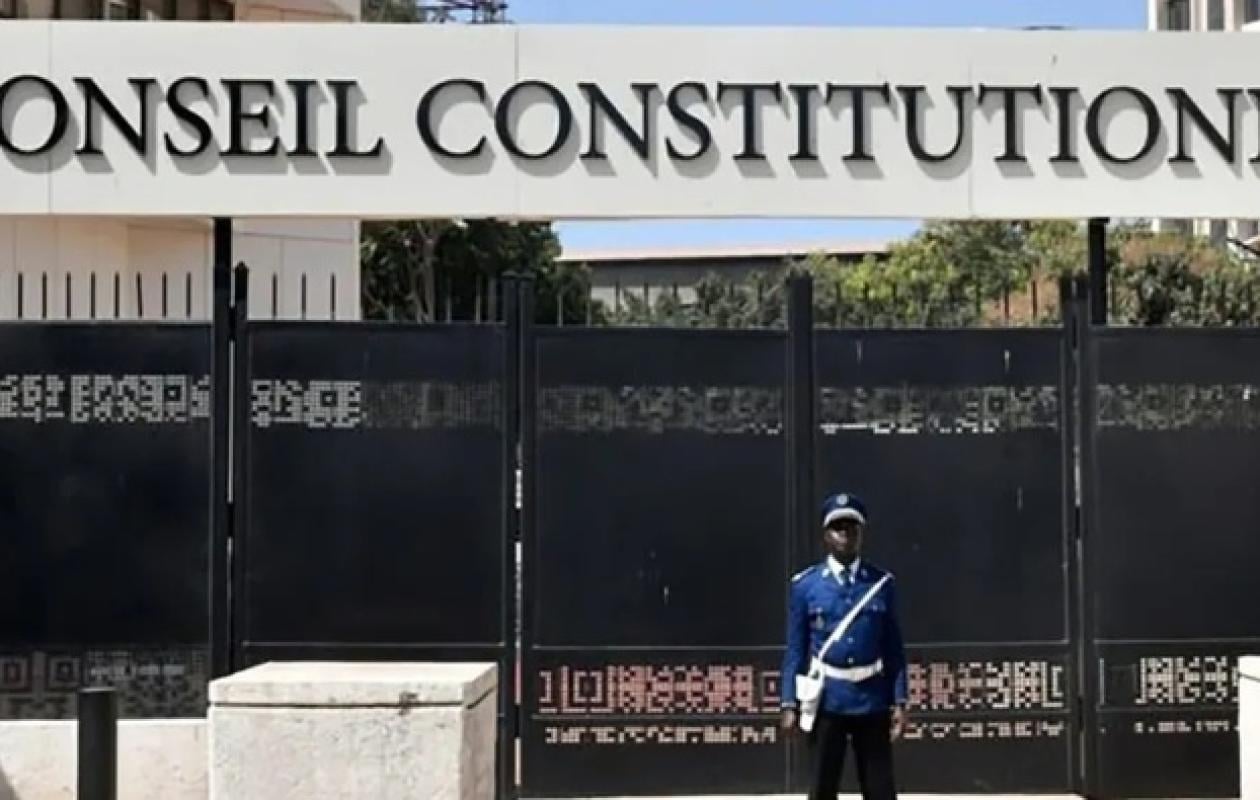
Taking the opposite stance in the columns of the Front de Terre press group's daily newspaper, the jurist Oumar Sow defends a rigorously different interpretation. According to him, the removal of the former mayor is sealed since it "is based on the application of article L277 of the electoral code" which "targets a mayor or councilor who is the victim of a final conviction," validated in 2023 by the Supreme Court.
The newspaper's source adds that articles L29 and L30 do not apply to this scenario, because they "speak of citizens who cannot be registered on the electoral register" and "refer to registration on the electoral register", without being able to cancel the effects of a revocation decree already enacted.


















Commentaires (23)
Participer à la Discussion
Règles de la communauté :
💡 Astuce : Utilisez des emojis depuis votre téléphone ou le module emoji ci-dessous. Cliquez sur GIF pour ajouter un GIF animé. Collez un lien X/Twitter, TikTok ou Instagram pour l'afficher automatiquement.