Réforme du contrôle carcéral : les députés valident «un Observatoire plus indépendant »
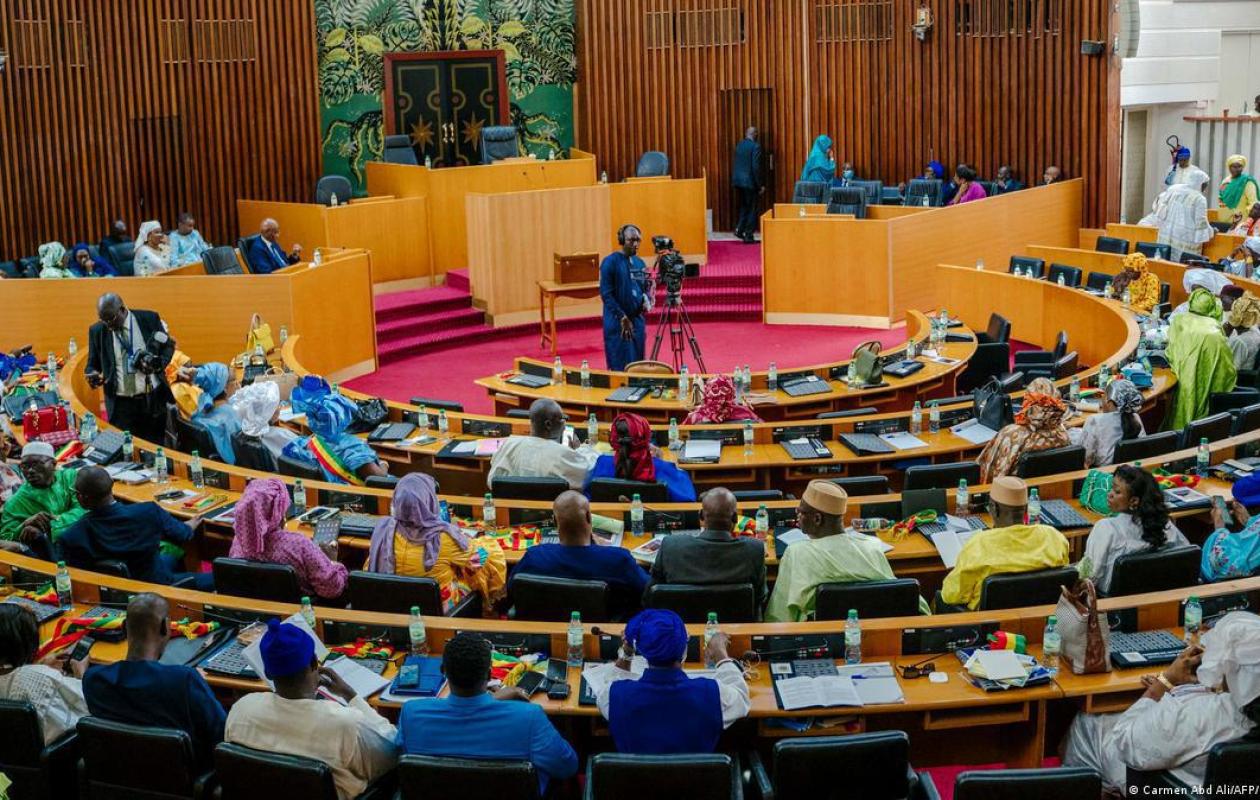
The National Assembly has adopted the bill establishing the National Observatory of Places of Deprivation of Liberty, marking a significant step in strengthening the protection of detainees. This institutional reform aims to modernize the mechanisms for monitoring places of detention and to better prevent violations of fundamental rights.
A major institutional transformation
The text marks the transition from a model based on a single individual as National Observer to an autonomous institutional structure. The future Observatory is established as an independent administrative authority, endowed with administrative and financial autonomy, and attached to the Prime Minister's Office to ensure inter-ministerial coordination.
According to the members of parliament, this development should strengthen the credibility of the oversight mechanism and broaden its scope. The Observatory will now have the ability to conduct visits to places of detention, formulate recommendations, and ensure more rigorous monitoring of detention conditions.
Alignment with international standards
The reform is part of Senegal's ongoing efforts to comply with its international human rights commitments. In particular, it responds to the recommendations of international bodies for the prevention of torture, which advocate for the establishment of independent national mechanisms to monitor places of detention. The new system thus strengthens guarantees of independence, broadens the mandate of the monitoring mechanism, and introduces more structured procedures for following up on recommendations submitted to the relevant authorities.
A response to concerns related to detention conditions
Parliamentary debates have largely highlighted the persistent difficulties in prison facilities. Several members of parliament raised concerns about prison overcrowding, precarious sanitary conditions, and inadequate access to healthcare and appropriate infrastructure.
From this perspective, the creation of the Observatory is presented as a tool intended to improve transparency in the management of penitentiary establishments and to promote better care for people deprived of their liberty.
The challenge of effectiveness
While the reform was hailed as a significant step forward, several members of parliament stressed the need to provide the new institution with sufficient human, technical, and financial resources. They believe the effectiveness of the system will depend on the Observatory's ability to implement its recommendations and establish an ongoing dialogue with judicial and administrative authorities. The legislation notably provides for the publication of periodic reports submitted to the highest state authorities, reflecting a commitment to transparency and accountability.
A turning point in prison governance
Beyond its institutional scope, the law opens a broader debate on the evolution of criminal policy and the balance between security imperatives and respect for human rights. It reflects the government's desire to strengthen oversight mechanisms while modernizing the governance of places of detention. With the adoption of this legislation, members of parliament intend to lay the foundations for a more structured and independent monitoring system, considered a crucial tool for humanizing detention conditions and strengthening the rule of law.
























Commentaires (2)
Participer à la Discussion
Règles de la communauté :
💡 Astuce : Utilisez des emojis depuis votre téléphone ou le module emoji ci-dessous. Cliquez sur GIF pour ajouter un GIF animé. Collez un lien X/Twitter, TikTok ou Instagram pour l'afficher automatiquement.