Remaniement : entre performance et risque de parti-État
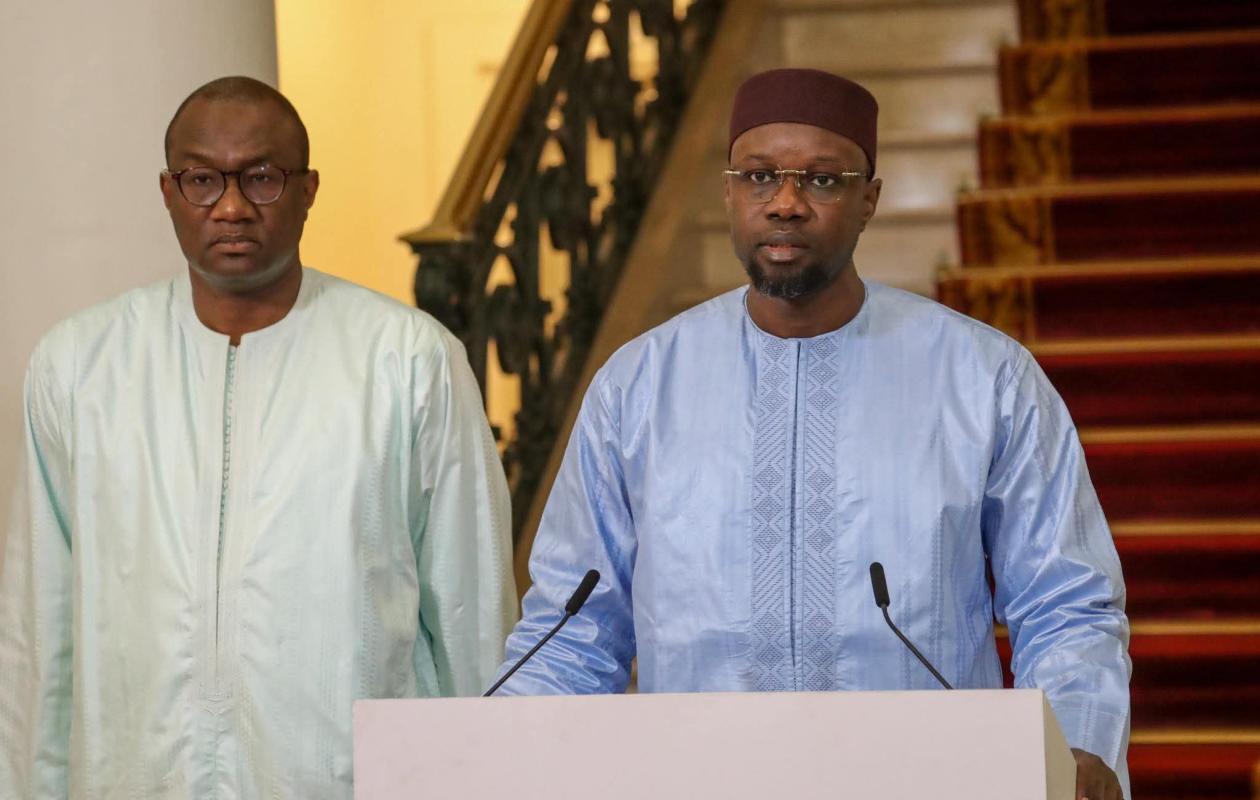
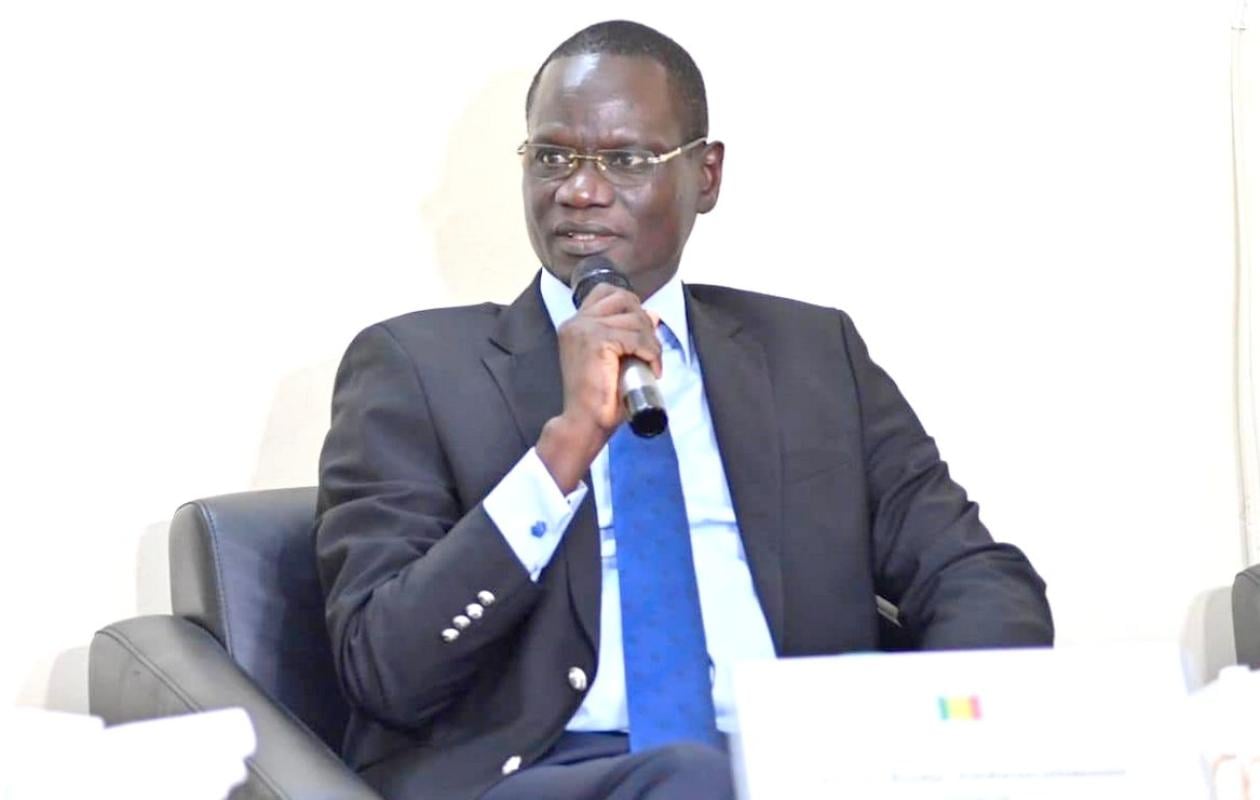
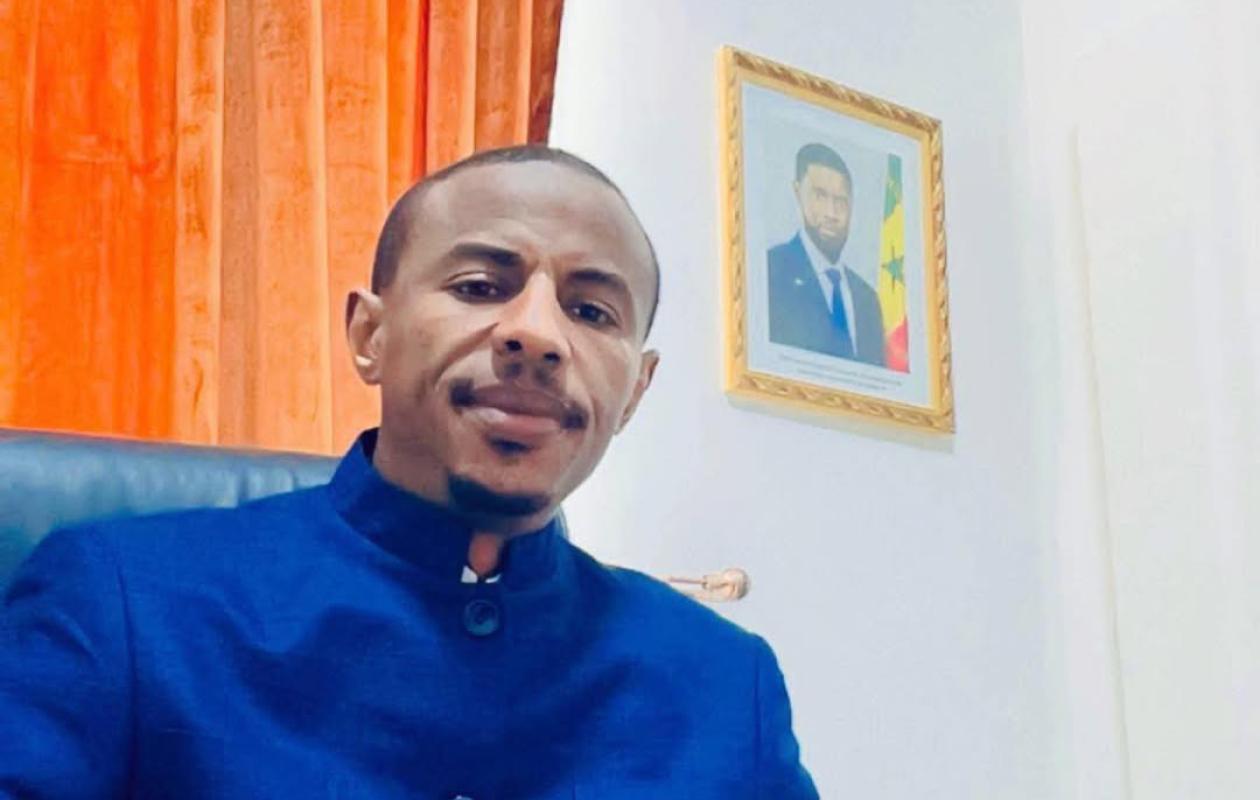
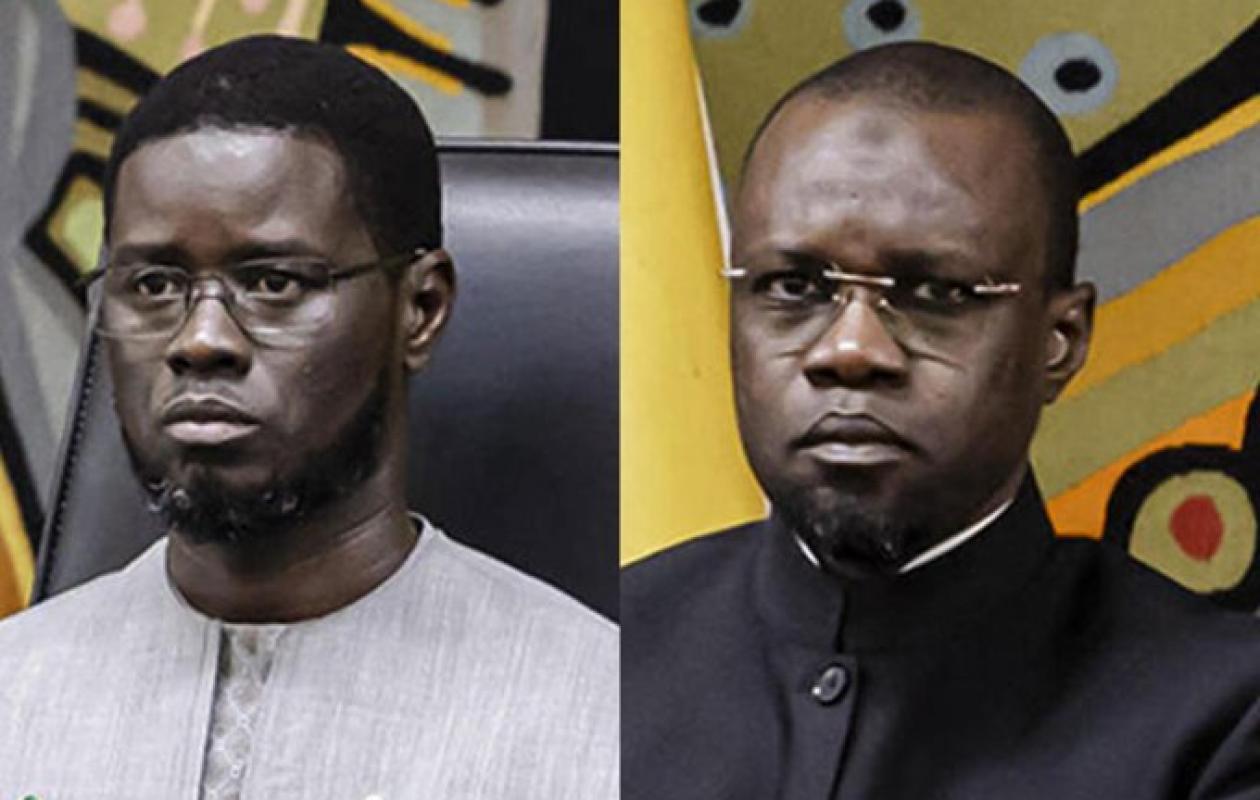
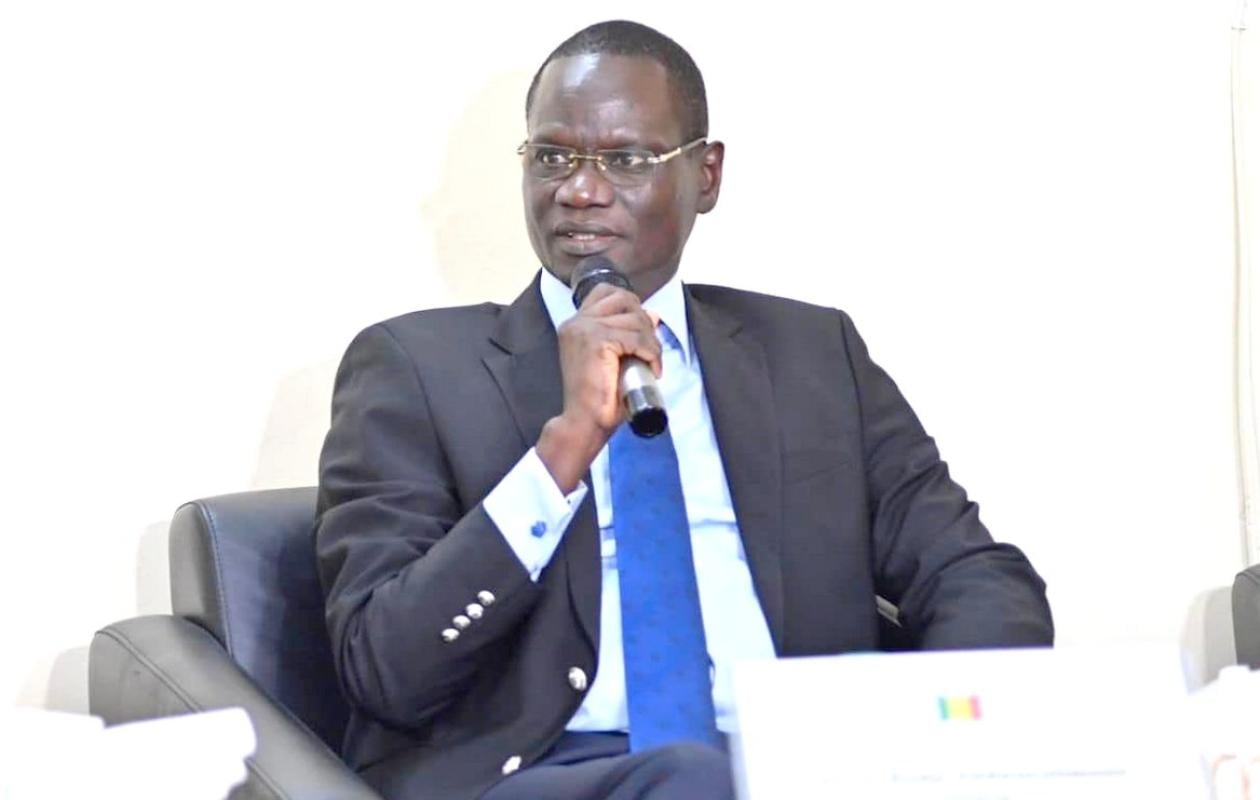
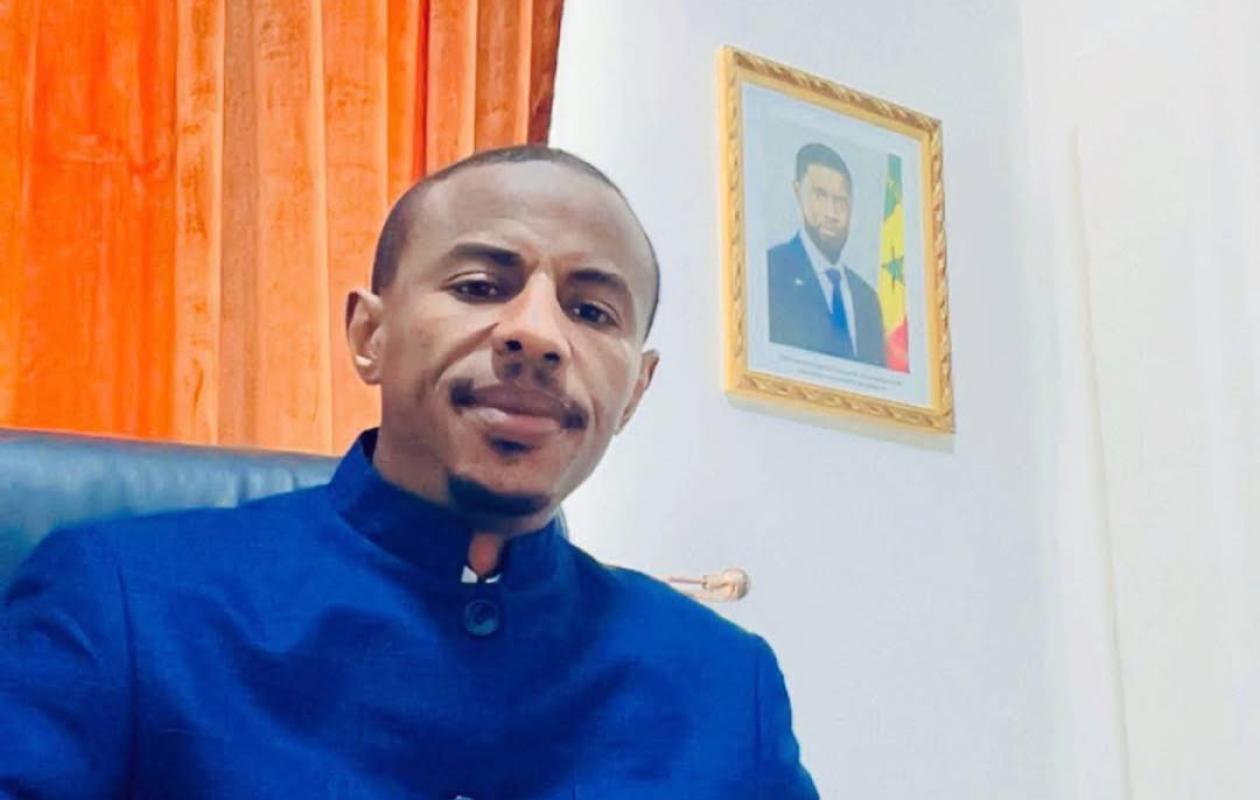
On September 6, 2025, Senegal experienced the first government reshuffle under the regime of Bassirou Diomaye Faye, including the departure of Ousmane Diagne, Minister of Justice, and Jean-Baptiste Tine, Minister of the Interior and Public Security. They were replaced respectively by Yassine Fall, former Minister of Foreign Affairs, and lawyer Mouhamadou Bamba Cissé, a close associate of Prime Minister Ousmane Sonko.
Specific and repeated criticisms
As early as November 2024, Ousmane Sonko publicly criticized his Minister of Justice, accusing him of lacking independence and being nothing more than a "political authority." At the same time, he criticized Jean-Baptiste Tine for his lack of vigilance in the face of security threats against his supporters during the election campaign. In July 2025, tensions escalated after the Supreme Court rejected an appeal against him. The Prime Minister then denounced a "manipulated" justice system and called for the reopening of several sensitive cases. His close associates also criticized the "slowness" of the Justice system under Ousmane Diagne, accused of not handling certain cases quickly. According to some observers, these positions were part of Ousmane Sonko's stated desire to "recover the sovereign ministries" such as Justice, the Interior and Foreign Affairs, which had previously been entrusted to technocrats, in order to strengthen the political influence of the executive.
A political constant in Senegal
While this reshuffle is provoking heated debate, it is also part of a historical continuity, according to Alioune Tine, founder of the Afrikajom Center. Under Abdoulaye Wade, the Ministry of the Interior was entrusted to political loyalists like Ousmane Ngom, already fueling suspicions of partisan control of the electoral process. Under Macky Sall, the Ministry of Justice was often led by close allies, accused of steering the justice system in sensitive cases, particularly against opponents. The particularity of the moment lies in the fact that the Diomaye Faye–Ousmane Sonko duo came to power in March 2024 promising a break and institutional governance free from political practices. By taking control of the Interior and Justice, the executive is reviving a Senegalese tradition where sovereign ministries serve as levers to control security, justice, and elections.
It is in this sense that the appointment of Mouhamadou Bamba Cissé to the Ministry of the Interior is of particular concern to Babacar Ba, president of the Forum du Justiciable (Justice Forum). For him, "the Ministry of the Interior organizes the elections. The opposition has always asked for a neutral figure. Entrusting this portfolio to the Prime Minister's personal lawyer is a worrying signal."
Divergent readings
For Alioune Tine, founder of the Afrikajom Center, this double departure of the Ministers of Justice and Interior illustrates above all a "quest for performance." According to him, Ousmane Diagne, described as independent, could no longer reconcile his principles with political pressure. "It's a divorce due to incompatibility of temperament," he summarizes. Babacar Ba, president of the Forum du liticiable, is, however, highly critical. In his view, Ousmane Diagne "was doing his job properly," and his dismissal, the result of political and activist pressure, "sets an extremely serious precedent." He insists: "Justice is a pillar of democracy. It must remain free from all political pressure."
Regarding Jean-Baptiste Tine, Babacar Ba recalls that his appointment embodied a desire for change long displayed by the Diomaye regime. He was a military man, a technocrat, who symbolized a certain neutrality. "His departure reflects a worrying shift," he warns. Regarding the appointment of Yassine Fall to the Ministry of Justice, Mr. Ba highlights "a lackluster transition" to Foreign Affairs, marked, according to him, by "communication errors," and warns of the risks that such practices will be "paid for in cash" in such a sensitive ministry.
The Specter of a Party-State
For the vice-president of the former OFNAC, this reshuffle confirms the logic of a party-state under construction: "PASTEF has now taken over practically all the sovereign ministries. This was not the initial approach, which consisted of entrusting these positions to technocrats. Today, we have shifted towards a political takeover that weakens the institutional balance." Thus, the simultaneous replacement of the Ministers of Justice and the Interior appears, for some, as an affirmation of the authority of Prime Minister Ousmane Sonko; for others, as a risk of politicizing institutions and weakening the rule of law.













Commentaires (6)
Il faut prendre ses responsabilités, faire les choses dans un cadre légal et ne pas avoir peur des critiques de cette opposition qui n'a pas d'argument
Sous la houlette d'un super fornicateur habitué de sweet beauty vagabond sexuel
C'est lui qui utilise les expressions de dictateur comme Idi amin dada.
C'est lui qui se recueille sur les tombes de sanguinaires comme Mao.
Participer à la Discussion
Règles de la communauté :
💡 Astuce : Utilisez des emojis depuis votre téléphone ou le module emoji ci-dessous. Cliquez sur GIF pour ajouter un GIF animé. Collez un lien X/Twitter, TikTok ou Instagram pour l'afficher automatiquement.