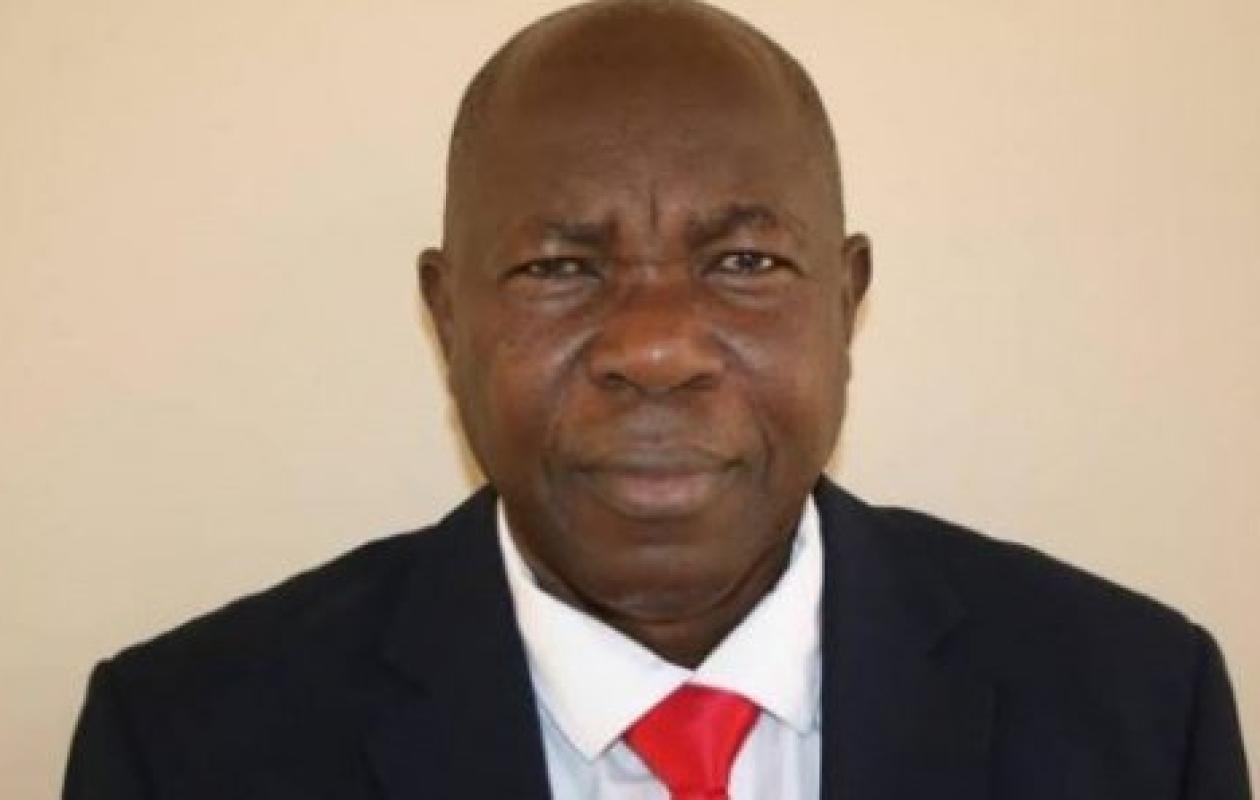
Le retournement de la politique (Moussa DIAW, politologue)
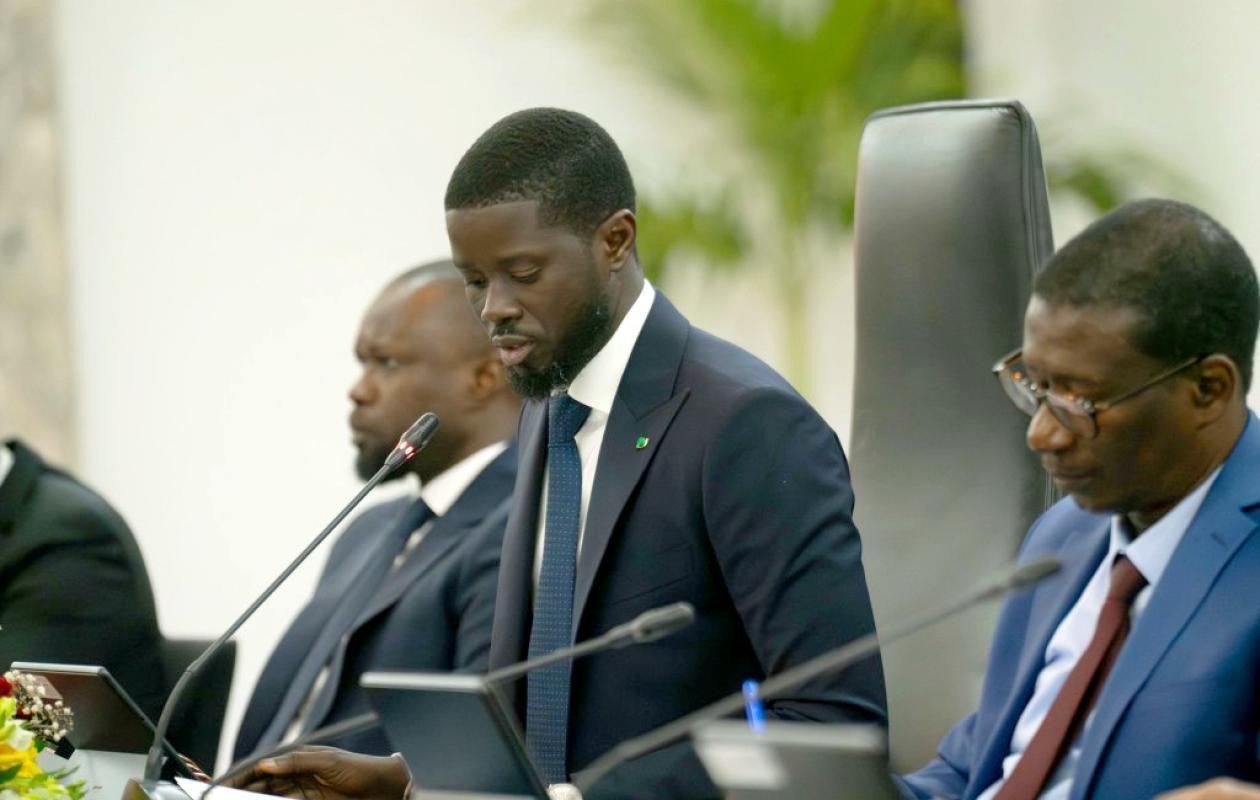
The election of President Bassirou Diomaye Faye heralded a decisive turning point in Senegal's political history, fueled by the enthusiasm and hope that marked a political shift, driven by a firm commitment to transforming the Senegalese democratic model to better meet the expectations of the population, particularly its youth. The youth had mobilized to turn the page on a system corrupted by practices that had hampered the country's political, economic, and social development. However, the rift within the leadership duo, which appeared as a political innovation due to the trajectory and alleged collusion between the members of the executive branch, clearly illustrates the difficulty, if not the impossibility, of sharing power and ensuring the long-term convergence of synchronized political orientations. The reality of this duality at the highest levels of government, even if one avoids direct confrontation, gives meaning to the profound divergence generated by the President's change of course, driven by a desire to retain power through actions that clearly reflect this ambition. There is no doubt that the silence observed on accountability, the death of many young protesters in 2021 and 2024, as well as the establishment of a parallel coalition, constitute tangible signs of a political shift.
How can we explain this reversal in political discourse and actions?
The author of *The Spirit of the Laws* already warned of the risks of concentrating power in the hands of a single person, as the risk of abuse is high. This is why he advocated the principle of separating and fairly redistributing power. A pronounced thirst for power is a characteristic of politicians, particularly in Africa. Thomas Hobbes observed that "man thirsts for power." Despite these warnings, nothing concrete has been done to prevent the massive presence of family members, siblings, and especially those closely linked to the previous regime. Yet, the initial discourse revolved around the need to change these political practices, to impose good governance, transparency, and sound management of public resources. Today, the desire for power seems to be a priority, and no means are spared to achieve it, with a proliferation of rhetoric that breaks with the Pastef project that allowed him to rise to the highest office in the land. Curiously, we are witnessing phenomena such as the creation of structures like "Ambassadors of Peace," "Sunu Champions Initiative," and "Executives' Think Tank," reminiscent of the "support clubs" developed under the regime of former President Abdou Diouf. Indeed, these initiatives proved ineffective in allowing him to retain power. Subsequently, the first political transition occurred. Similarly, political recycling (political opportunism), through the recruitment of leaders from regimes rejected by the population, constitutes the new strategy for shaping the political landscape. The obsession with dialogue and reform is part of an agenda that risks being lengthy without truly yielding tangible results. In any case, the Senegalese people are waiting for the elections to assess the record of this shared governance.
















Commentaires (6)
Participer à la Discussion
Règles de la communauté :
💡 Astuce : Utilisez des emojis depuis votre téléphone ou le module emoji ci-dessous. Cliquez sur GIF pour ajouter un GIF animé. Collez un lien X/Twitter, TikTok ou Instagram pour l'afficher automatiquement.