« Vote bloqué », « approbation » : Un juriste démonte les arguments de Sonko
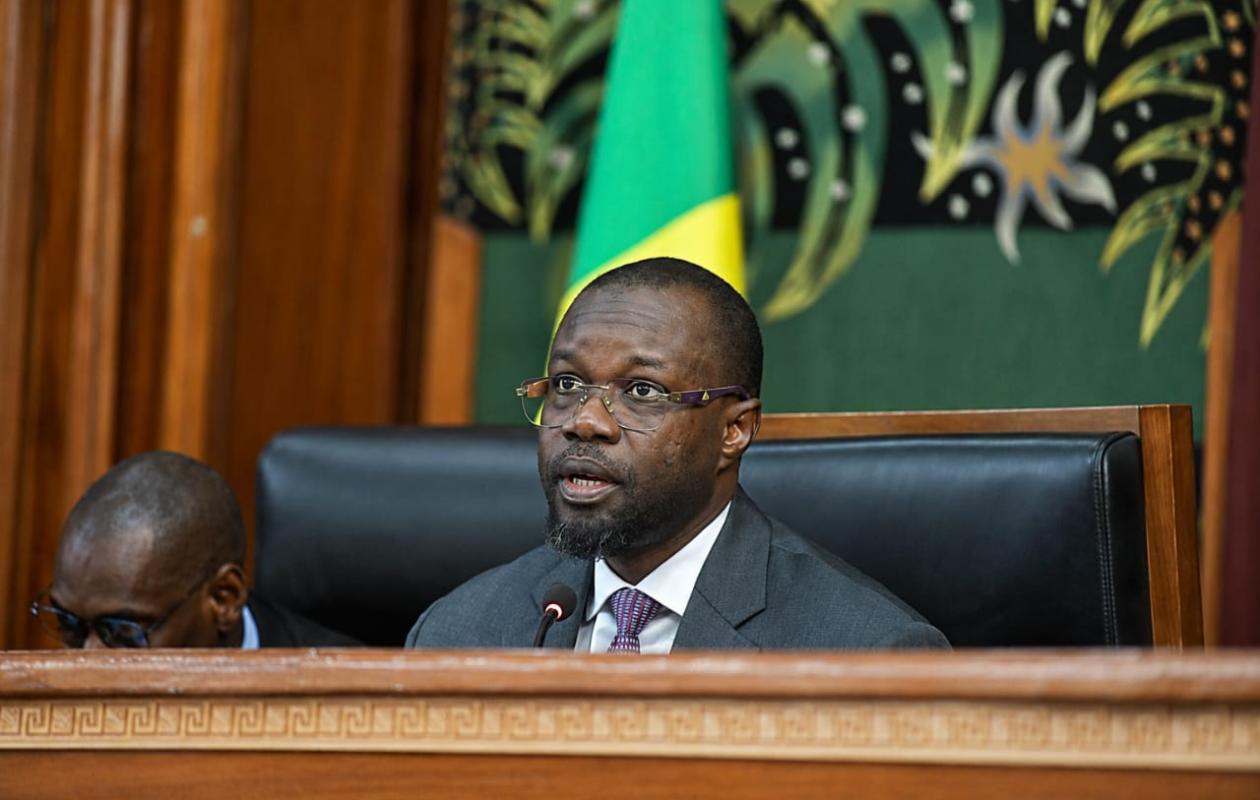
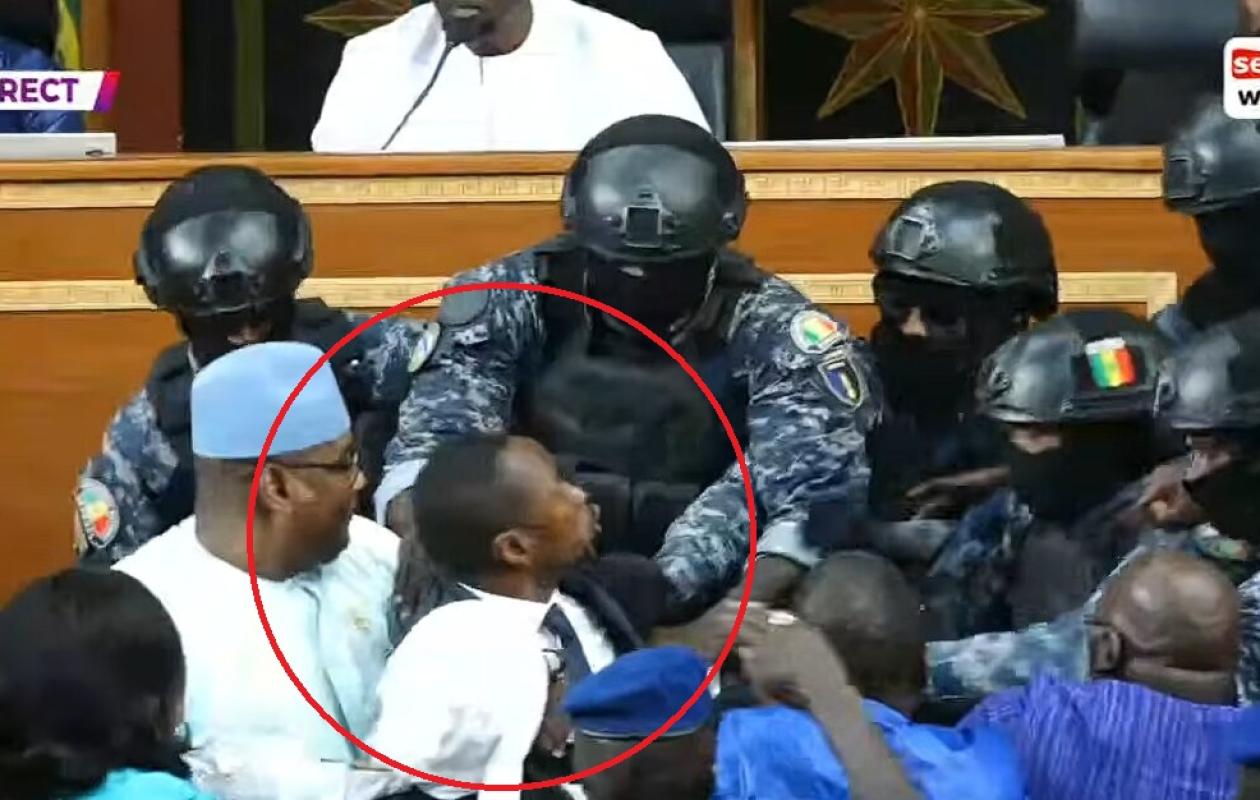
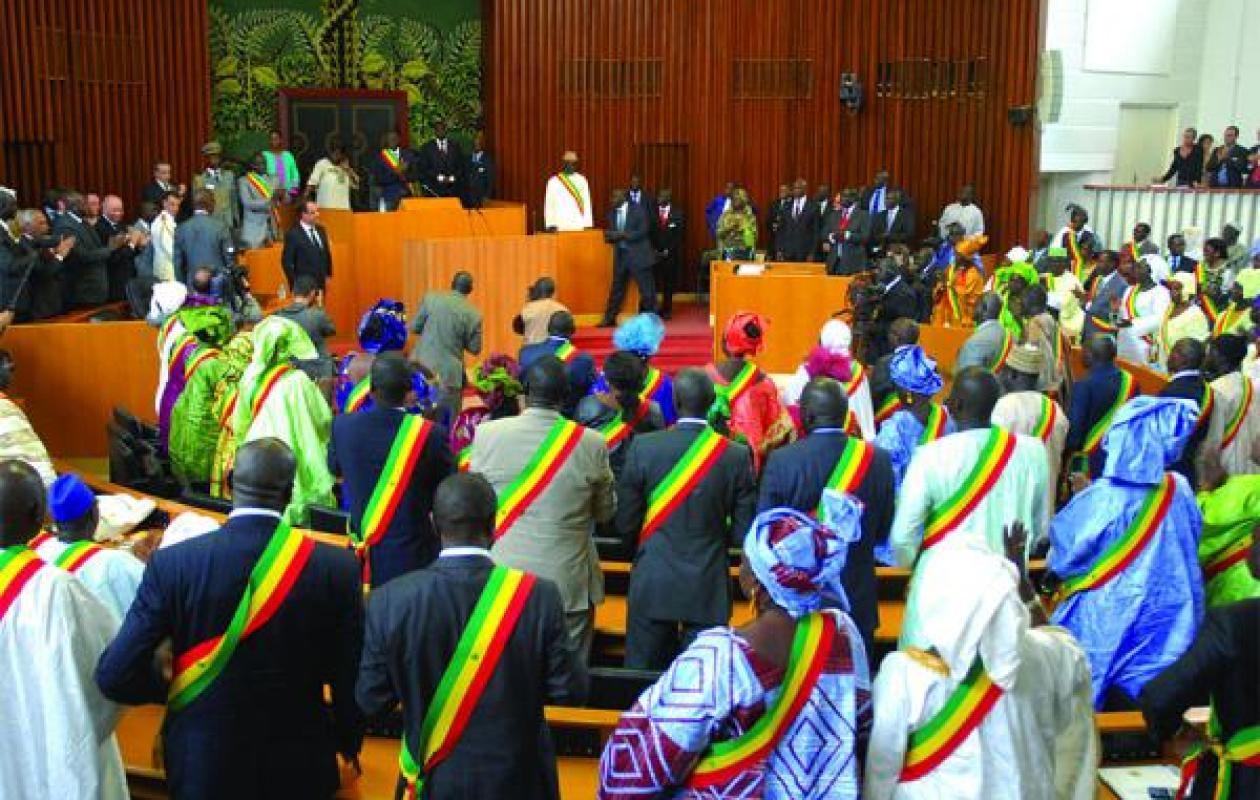
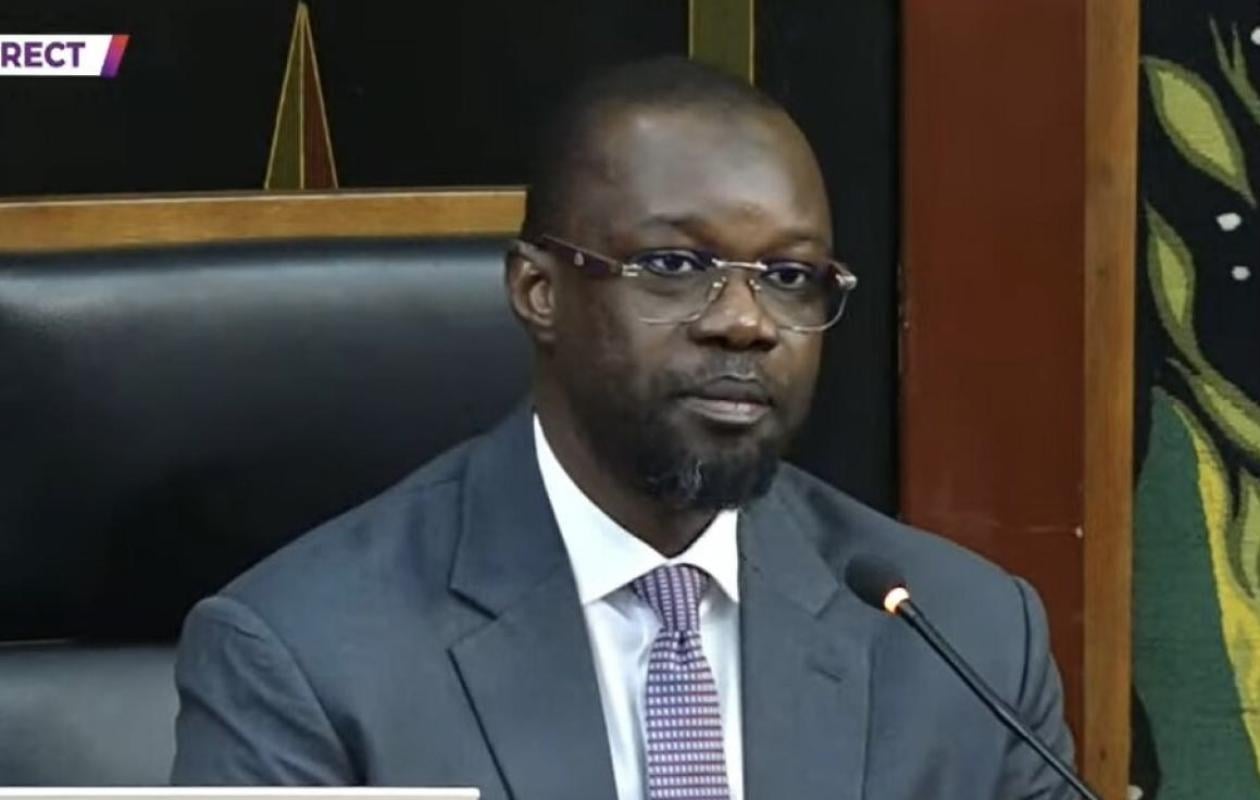
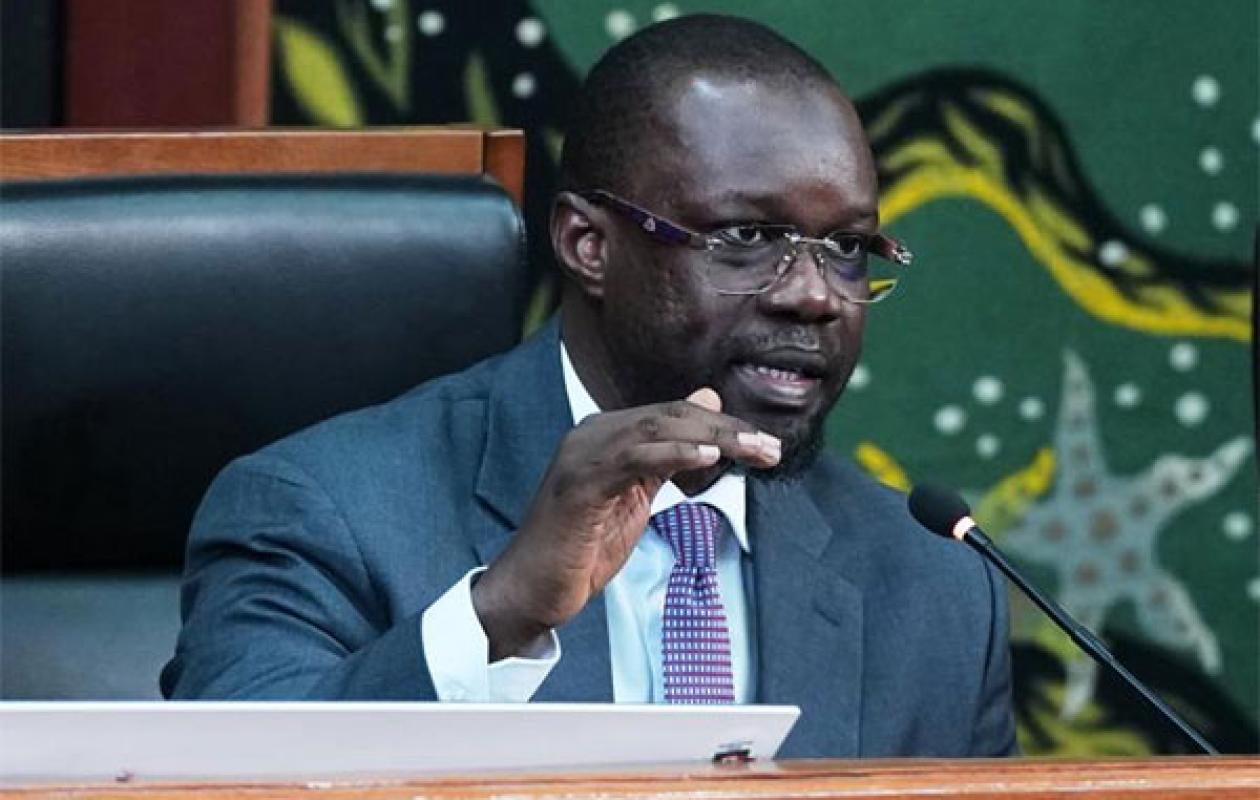
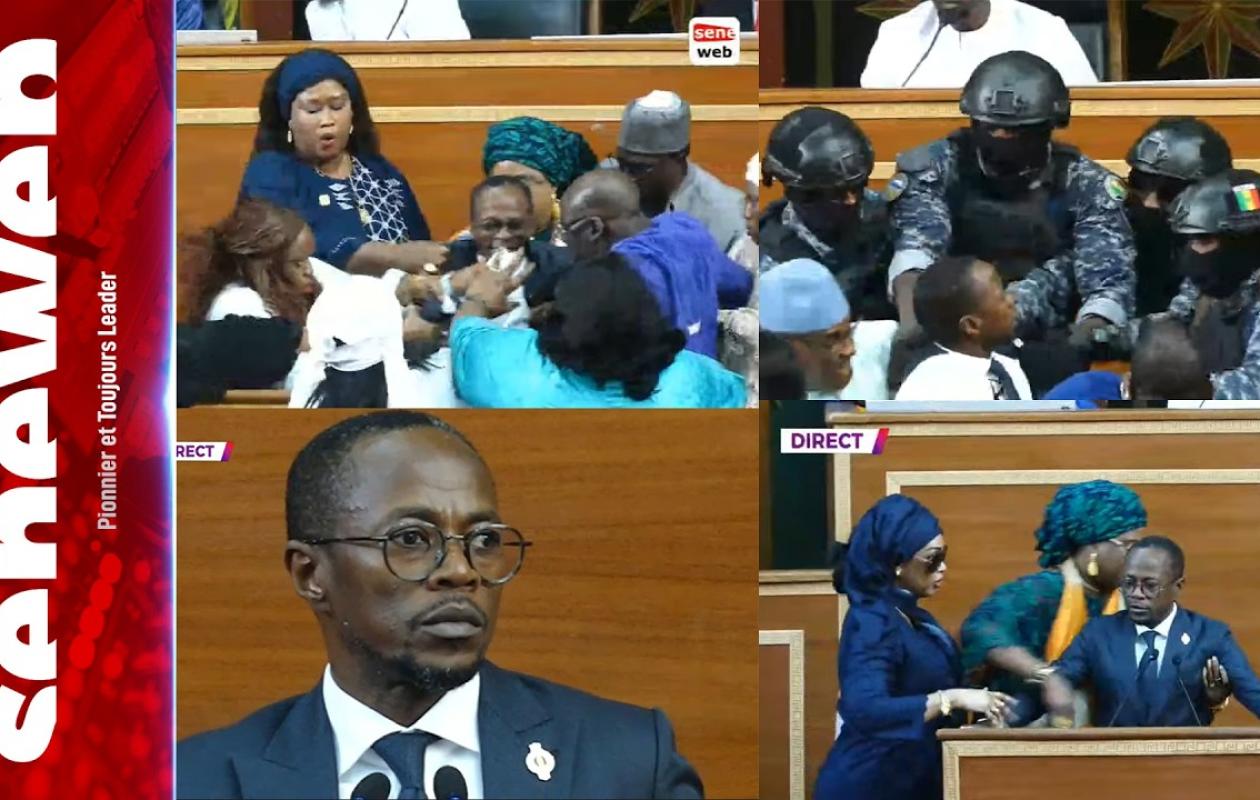
The positions defended on Monday by the Speaker of the National Assembly, Ousmane Sonko, during the examination of the proposed law to revise the Constitution, have already sparked a heated legal controversy. In an analysis published on his Facebook page, lawyer Souleymane Soumaré challenges the arguments put forward by the Speaker of the Parliament, both on the issue of the "blocked vote" and on the procedures for approving the constitutional revision.
Following the intervention of the Minister of Justice, Moussa Sarr, Ousmane Sonko rejected the government's request to use the blocked vote mechanism. According to him, this procedure "does not apply to proposed laws" and only concerns draft bills.
The president of the National Assembly had also considered that the head of state should promulgate the constitutional revision adopted by the deputies by a three-fifths majority, arguing that this vote "is worth both adoption and approval", without a referendum being necessary.
A difference of interpretation regarding the review procedure
An interpretation that lawyer Souleymane Soumaré categorically refutes. "The Constitutional Council has never said that any draft or proposal for constitutional revision adopted by 3/5 of the National Assembly does not require approval by referendum," the lawyer asserts.
According to him, the case law cited during the debates, particularly the Constitutional Council's decision of January 18, 2006 (case no. 3-C-2005), was taken out of context. He points out that this decision followed a decree issued by the President of the Republic on December 6, 2005, expressly deciding to submit the revision solely to the National Assembly, in accordance with paragraphs 4 and 5 of Article 103 of the Constitution.
“It is the expressed will of the President of the Republic to submit the revision solely to the Assembly, which bases its adoption and approval on a qualified majority,” the legal expert explains. In the absence of such a presidential decision, he believes, it is legally inaccurate to consider that a simple three-fifths vote automatically dispenses with the need for a referendum.
Attorney Soumaré also disagrees with the rejection of the blocked vote. Contrary to the position defended by Ousmane Sonko, he believes that Article 82 of the Constitution fully applies to a constitutional revision.
The lawyer points out that the text adopted by the deputies was amended, even though Article 103 of the Constitution does not address amendments. Therefore, he argues, the general rules set forth in Article 82 apply.
However, he points out, this article explicitly provides that "if the government so requests, the Assembly seized shall decide by a single vote on all or part of the text under discussion, retaining only the amendments proposed or accepted by the government."
According to the legal expert, the Constitution makes no distinction whatsoever between ordinary laws and constitutional laws on this point. "Failing to acknowledge the blocked vote to the government is not in accordance with the established procedure," he concluded.
Believing that these differences now fall under a genuine question of constitutional interpretation, Souleymane Soumaré considers that the Constitutional Council, if it is seized, should recall the exact scope of the provisions applicable in matters of constitutional revision.











Commentaires (9)
Participer à la Discussion
Règles de la communauté :
💡 Astuce : Utilisez des emojis depuis votre téléphone ou le module emoji ci-dessous. Cliquez sur GIF pour ajouter un GIF animé. Collez un lien X/Twitter, TikTok ou Instagram pour l'afficher automatiquement.