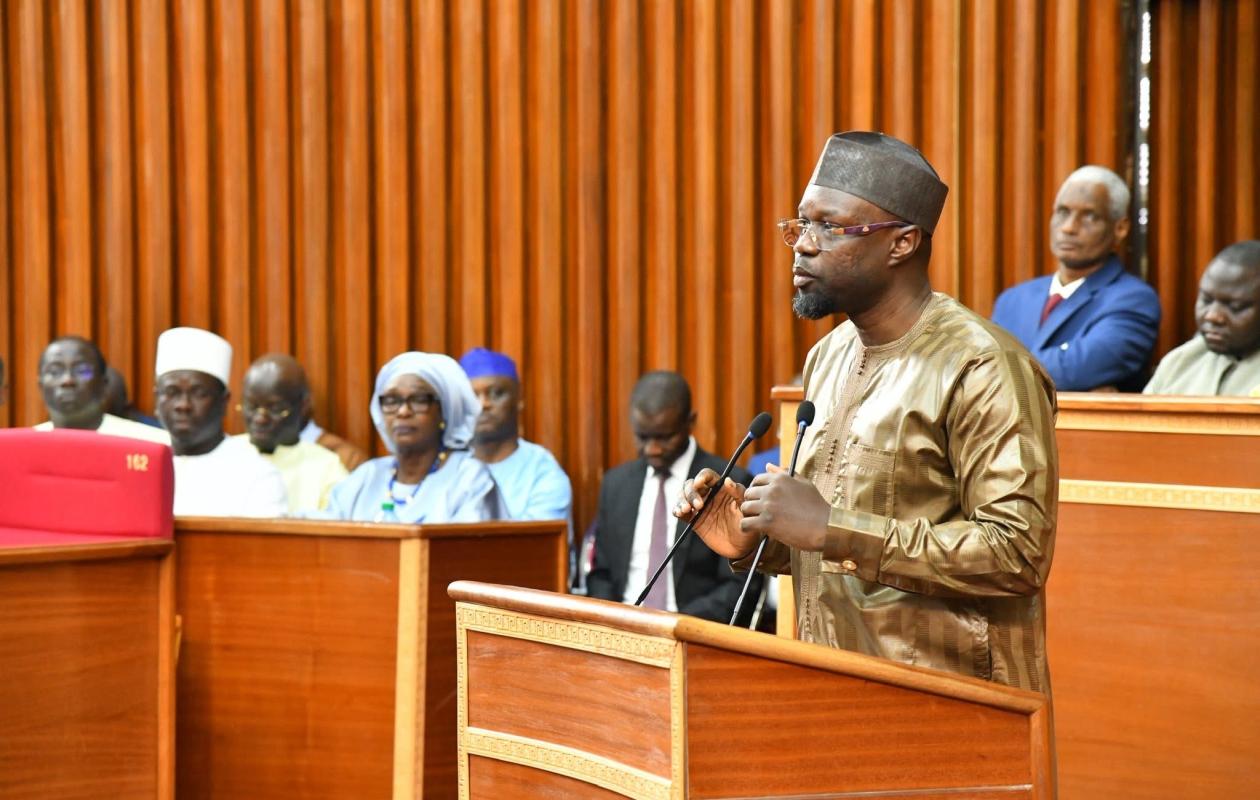
"Pourquoi Ousmane Sonko peut bien être président de l'Assemblée" : Les explications de Alioune Badara Diop
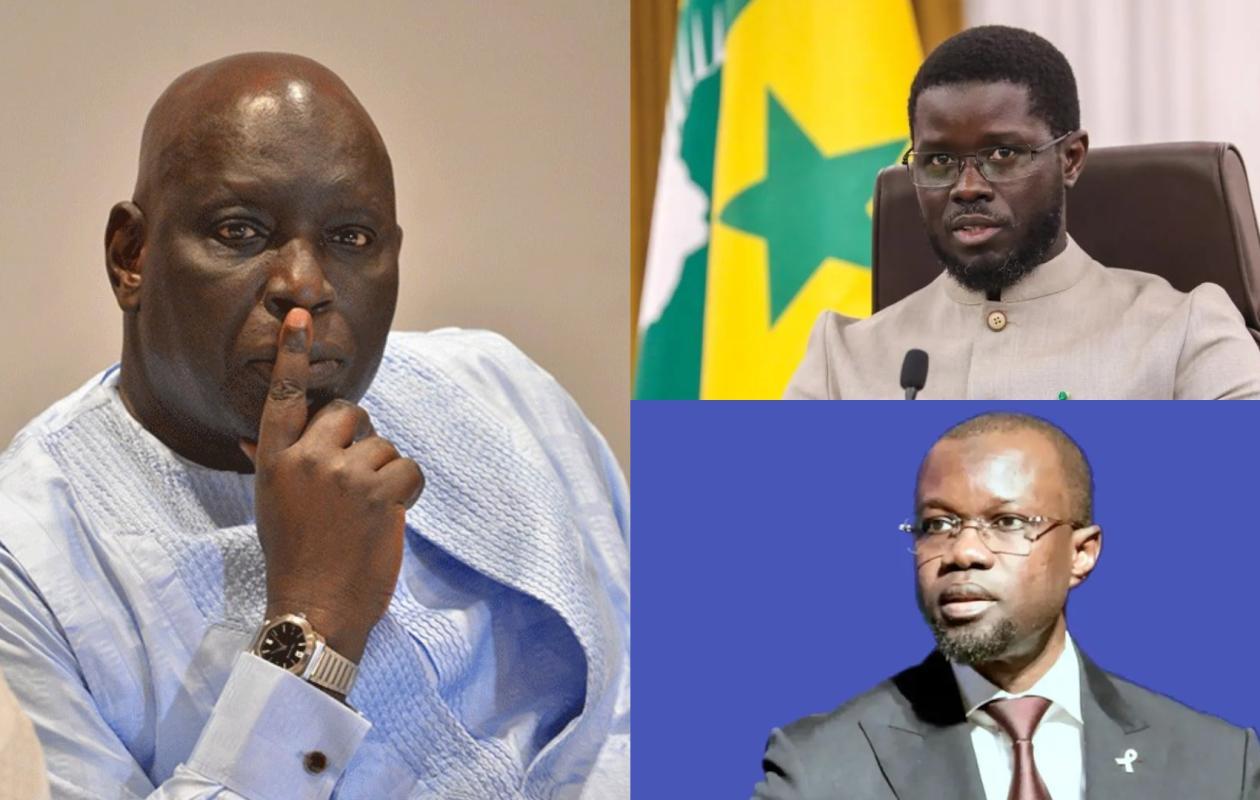
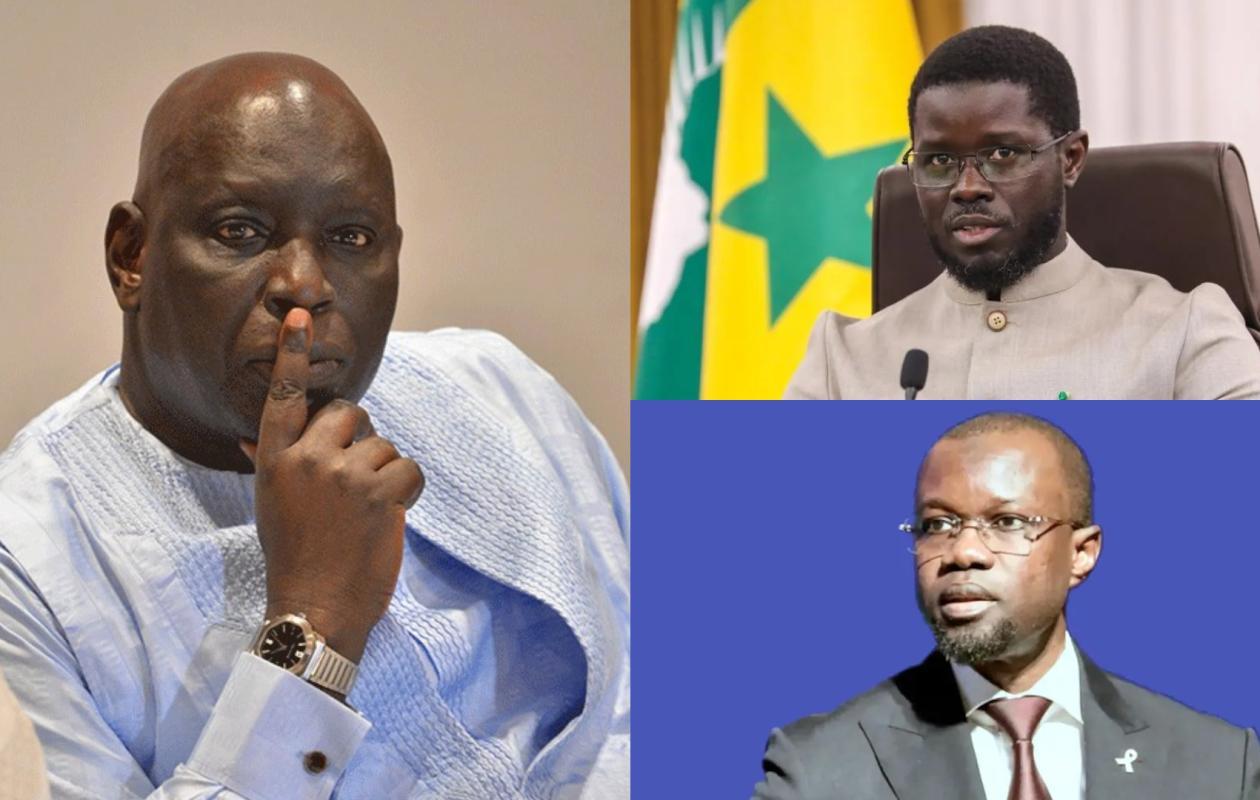
It's become an open secret that Pastef is preparing to nominate its leader, Ousmane Sonko, as the successor to El Malick Ndiaye, who resigned as Speaker of the National Assembly. However, in recent days, several voices have been raised deeming this potential nomination illegal.
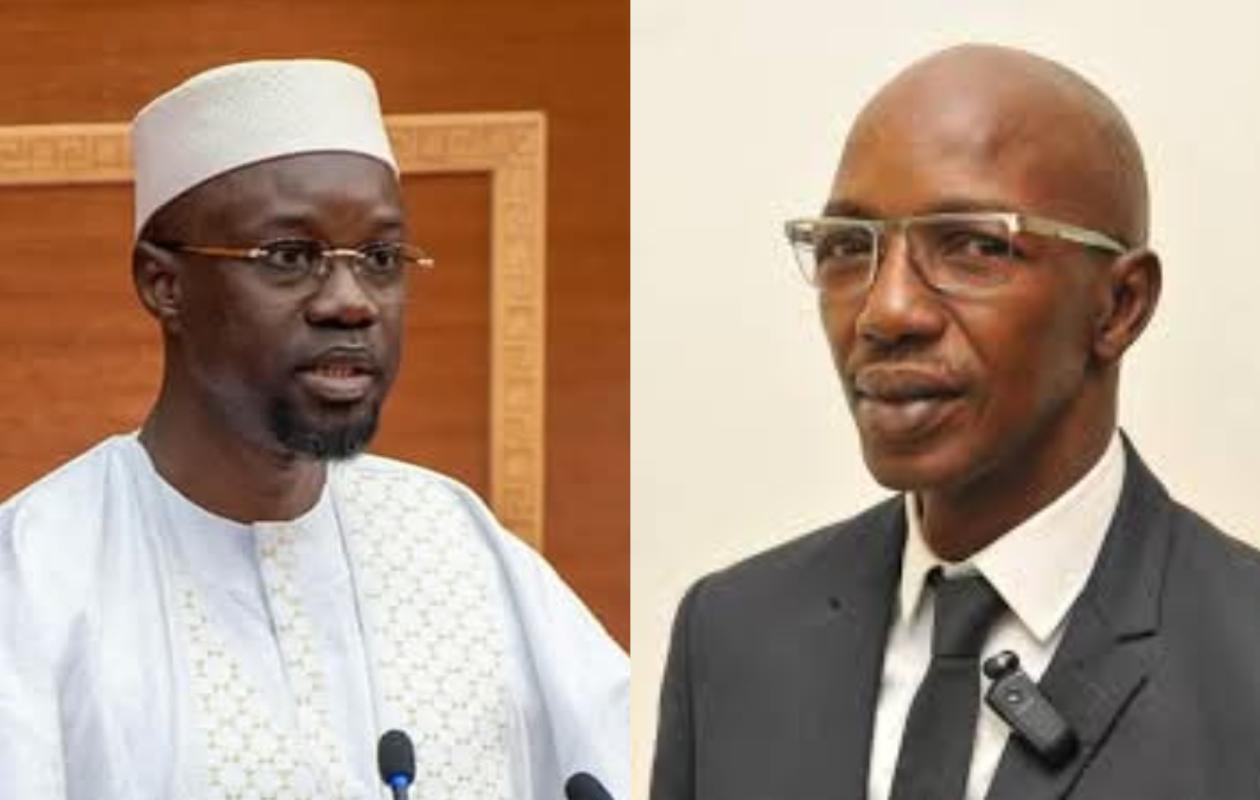
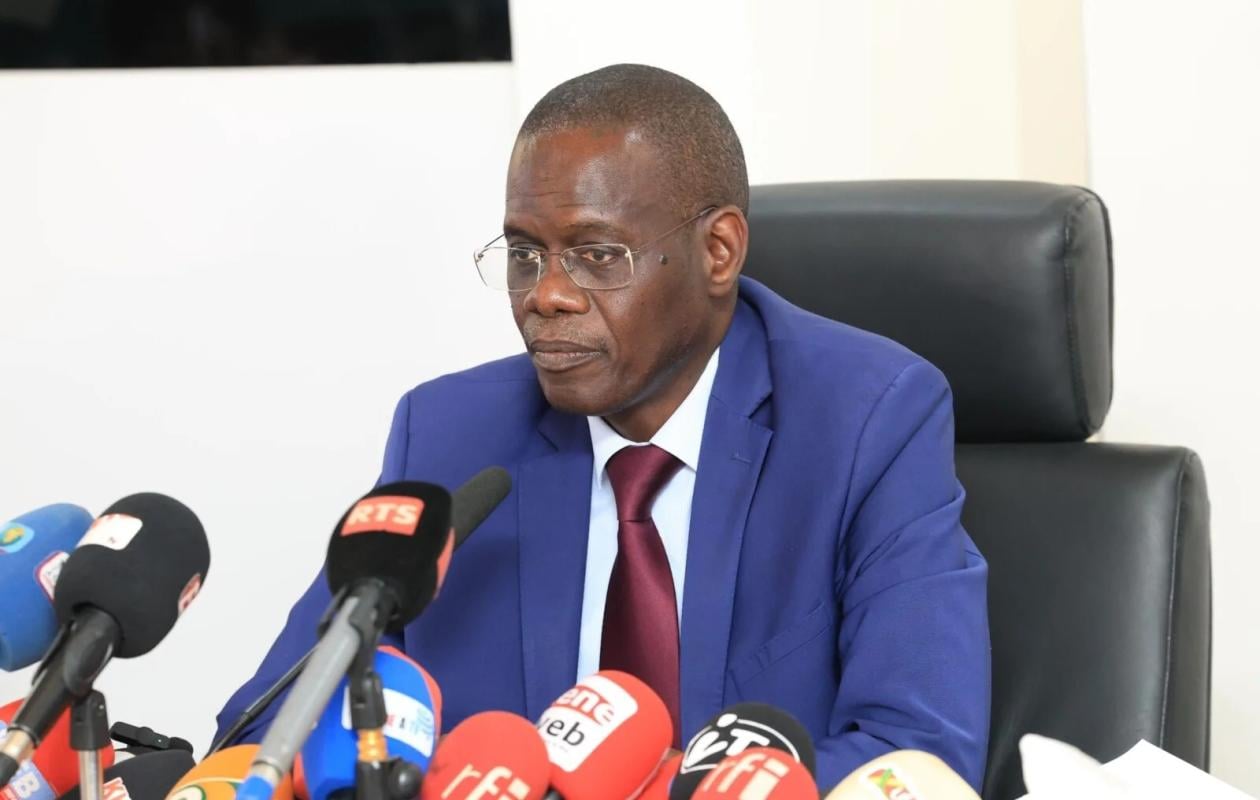
In an opinion piece, former minister Doudou Ka recalls the provisions of two articles. "This attempt at 'reintegration' is an absolute constitutional impossibility. Article 124 of the 2025 Rules of Procedure of the National Assembly cannot therefore be applied to him, nor can it be retroactively applied (...) Article 54 of the Constitution is absolutely clear: 'The functions of a member of the Government are incompatible with the exercise of a parliamentary mandate…' This incompatibility is the cornerstone of the separation of powers in our Constitution. The constitutional path was simple: resign from the Prime Minister's office after the election, allow his election as a member of parliament to be validated, formalize his installation as a member of parliament, await his reappointment as Prime Minister, and suspend his parliamentary mandate. Mr. Ousmane Sonko did not follow this path," he writes.
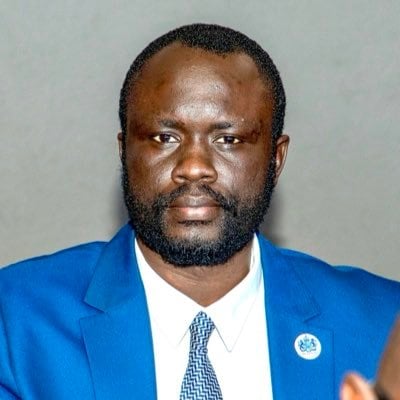
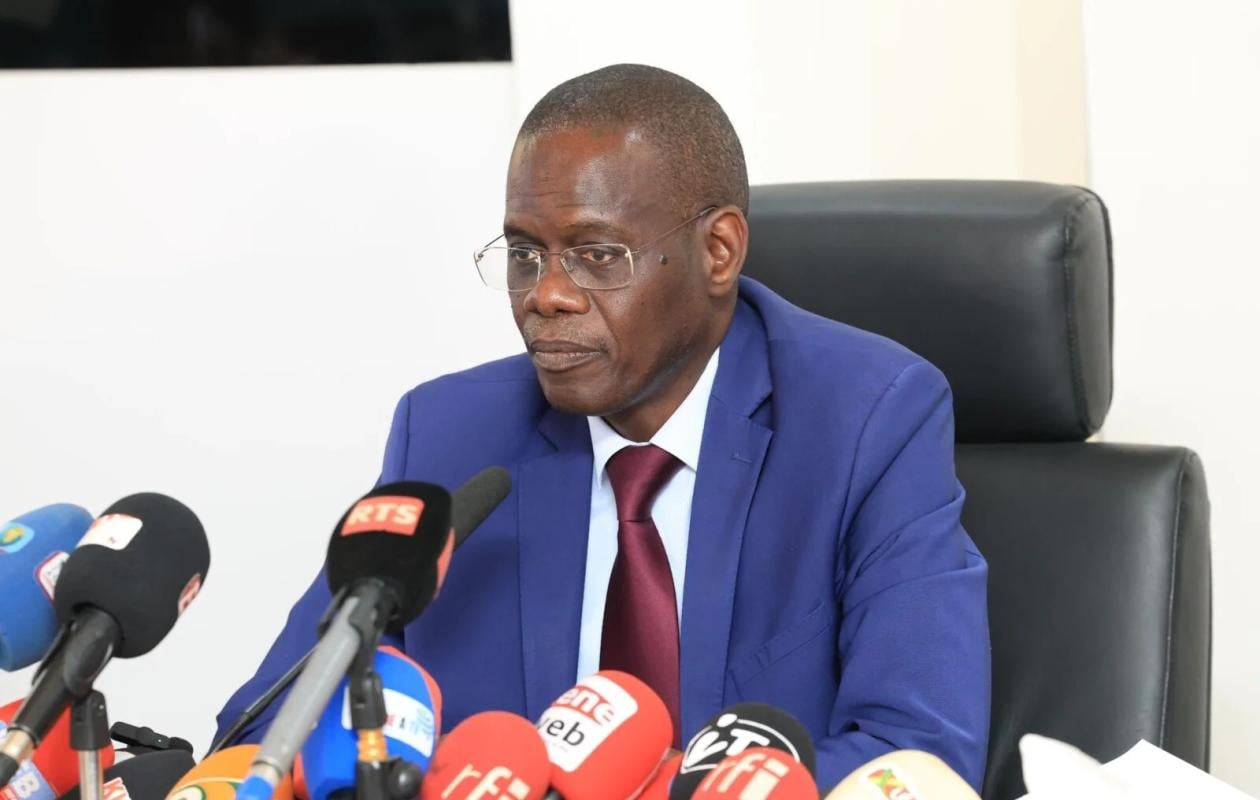
However, Alioune Badara Diop, a member of Pastef, responded. He explained in detail why, in his opinion, Ousmane Sonko could indeed be reinstated to the National Assembly and become its Speaker. First, according to the politician, Ousmane Sonko's election as a member of parliament was proclaimed by the Constitutional Council, and no legal challenges were filed within the legal timeframe. Regarding Article 54, cited by Doudou Ka, Alioune Badara Diop believes it does not apply to the former Prime Minister. "The incompatibility of this article does not invalidate the election; it only requires the elected official not to hold both positions simultaneously. Suspending is not extinct," he emphasized.
Next, regarding the abridged reading of Article 54, you quote the first paragraph and omit paragraph 2, which was amended and states that a member of parliament appointed to the government "may not take their seat," not "loses their mandate." The verb chosen by the drafters of the constitution establishes an incompatibility of office, not an incompatibility of appointment.
The politician also highlights Organic Law No. 2025-11 of August 18, 2025. "It specifically organizes, in its article 124, the replacement and automatic reinstatement of the deputy. Far from contradicting the Constitution, it executes the express mandate entrusted to it by Article 59 in fine, which refers to the Organic Law the task of setting the regime of incompatibilities," believes Alioune Badara Diop.
Another debate concerns the retroactive application of the provisions of the National Assembly's new rules of procedure. According to the "Pastefien" (a member of the Pastef party), if a request for reinstatement is made today, it must be interpreted in light of the rules currently in force. "Reinstatement does not apply to past events but governs a pending legal situation: a suspended mandate whose holder is requesting its reactivation. The Roubier doctrine is unambiguous on this point: the new law immediately addresses the future effects of ongoing situations," he wrote in his opinion piece.
In other words, according to Alioune Badara Diop, Ousmane Sonko's reinstatement to the National Assembly is perfectly legal. On Tuesday, during the plenary session convened in the chamber, the Pastef deputies, who hold a large majority, are expected to focus on these provisions to formalize their leader's return.
















Commentaires (21)
Participer à la Discussion
Règles de la communauté :
💡 Astuce : Utilisez des emojis depuis votre téléphone ou le module emoji ci-dessous. Cliquez sur GIF pour ajouter un GIF animé. Collez un lien X/Twitter, TikTok ou Instagram pour l'afficher automatiquement.