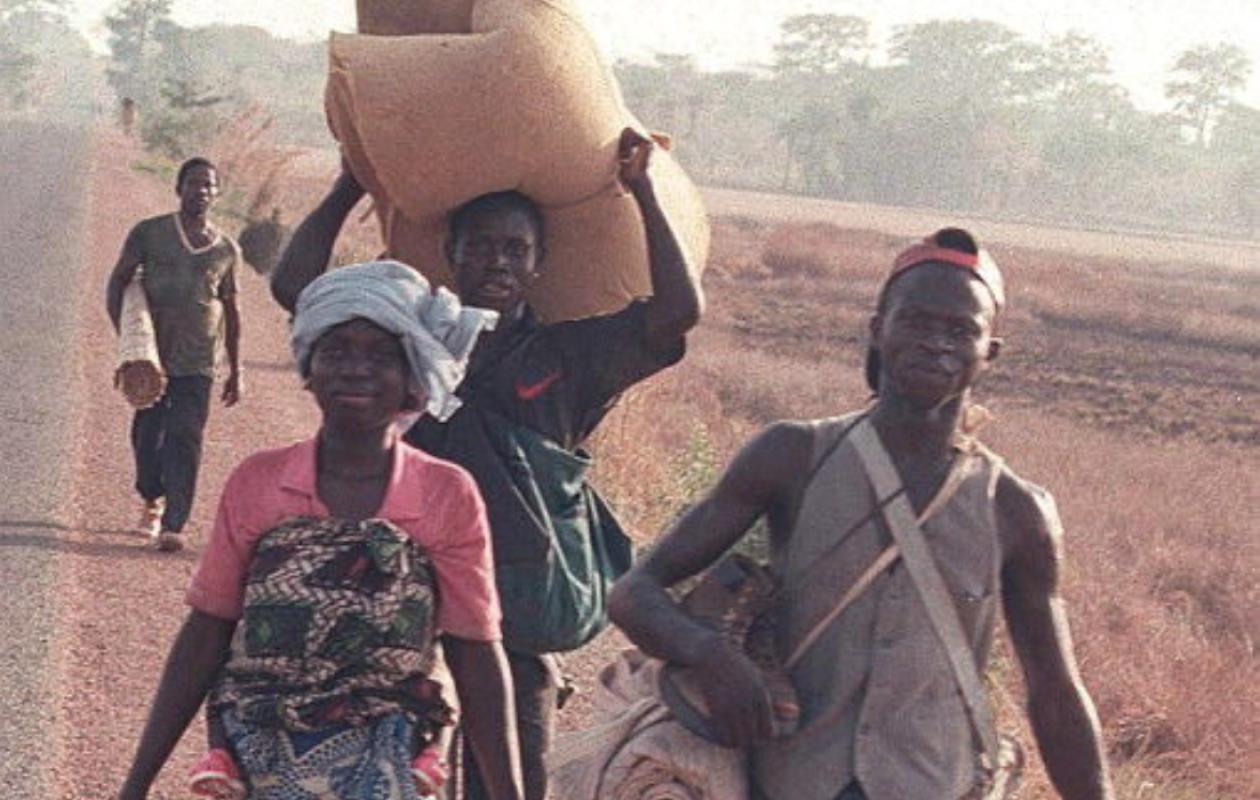
Kolda : Dans l'enfer de l'enclavement, quand rompre le jeûne coûte 40 kilomètres d'efforts
While relative coolness accompanies the fast in Dakar, the situation is very different in several isolated villages in the Kolda region, in the heart of Fouladou. In these localities far from urban centers, the population experiences the month of Ramadan in oppressive heat that often exceeds 40°C. The lack of electricity and the isolation of markets make breaking the fast particularly difficult. To obtain bread, ice, or simply cool water, some residents have to travel up to 40 kilometers. Between the suffocating heat, precarious living conditions, and lack of basic infrastructure, they experience a Ramadan marked by fatigue, thirst, and a profound sense of isolation.
While the relatively mild temperatures in Dakar sometimes allow fasting without much difficulty, the reality is quite different in southern Senegal. In this part of Fouladou, the oppressive heat transforms the holy month into a real ordeal for many rural populations. In villages like Saré Koubé, Saré Sissao, and Sinthiang Bouré, the lack of electricity complicates everything: it's impossible to keep water cool, make ice, or easily access bread to break the fast.
Saré Koubé: traveling kilometers for a simple ice cream
In Saré Koubé, a village of 300 inhabitants located nearly 25 kilometers from Kolda, the heat is oppressive. At the time of iftar, a much-anticipated moment after a long day, many families have neither fresh water nor ice to cool down.
Some residents are trying to compensate for this shortage by selling ice, but it's a real challenge. Traveling by motorcycle or motorcycle taxi, they cover dozens of kilometers to reach Kolda. There, they buy ice for between 100 and 150 FCFA per block before returning to the village to resell it for between 300 and 350 FCFA. This is a prohibitive price that few families can afford.
Abdoulaye Talibé, a resident of the village, bitterly recounts this daily reality: “During Ramadan, the heat is intense here in Kolda. After a day of fasting, our only wish is to drink some cool water. But it’s almost impossible without electricity. Selling a simple ice cream for 350 FCFA to someone who is already struggling to buy bread is a luxury.” He adds: “Many families have no choice: they buy bread and forgo ice cream. So we break our fast with hot water despite the heatwave. We really feel forgotten, as if our village isn’t even part of Senegal.”
Transportation also presents a major obstacle. Those without motorcycles sometimes have to pay up to 6,000 FCFA to transport the ice from the city. Despite these sacrifices, the merchandise often melts before reaching its destination.
Water: another daily struggle
In Saré Koubé, the lack of electricity is only part of the problem. Access to drinking water is also a constant struggle. The population depends on a few inadequate and often remote wells. Every day, the burden of fetching water falls on the women.
“Our women suffer terribly. Very early in the morning or late at night, they set out in search of this precious liquid. They walk for kilometers, some with their babies on their backs and heavy basins on their heads. It’s exhausting, especially during Ramadan,” Abdoulaye Talibé says emotionally. “They spend hours waiting their turn at the wells. We ask the authorities to help us get water and electricity, because we are an integral part of Senegal.”
The same situation exists in Saré Sissao.
37 kilometers from Kolda, in Saré Sissao, the situation is the same. Mamadou Salif Baldé, chief of the village of Mballo Kounda, expresses profound weariness: “The heat is unbearable. Drinking cool water has become a dream here. At 350 FCFA for ice, many low-income households resign themselves to breaking their fast with lukewarm water.”
For this village, which has existed for almost 30 years, the lack of infrastructure weighs heavily. "We are about 300 inhabitants and we still don't have electricity. We are simply asking the authorities to think of us so that we can live with dignity like other Senegalese," he laments.
In Sinthiang Bouré: 40 kilometers for a piece of bread
In Sinthiang Bouré, in the commune of Koulinto, the isolation makes even access to bread uncertain. Ibrahima Diamé, a teacher in the area, describes the precarious situation: “To eat bread or get ice cream, you have to travel 40 kilometers. Sometimes we wait for vendors, but they don't come because of the poor condition of the roads.”
He concluded: "We have no choice but to break our fast without bread or fresh water. In this heat, it's an ordeal for everyone. Access to electricity, water, and better roads would radically change our lives."
Between hunger, thirst and heat
In these isolated villages of Fouladou, breaking the fast has become a logistical and financial challenge. Without electricity, bread and fresh water have become luxuries. Poverty forces families to make impossible choices between eating and drinking. Here, electricity and clean water are not mere amenities, but essential rights, the absence of which weakens the social fabric a little more each day.














Commentaires (49)
Participer à la Discussion
Règles de la communauté :
💡 Astuce : Utilisez des emojis depuis votre téléphone ou le module emoji ci-dessous. Cliquez sur GIF pour ajouter un GIF animé. Collez un lien X/Twitter, TikTok ou Instagram pour l'afficher automatiquement.