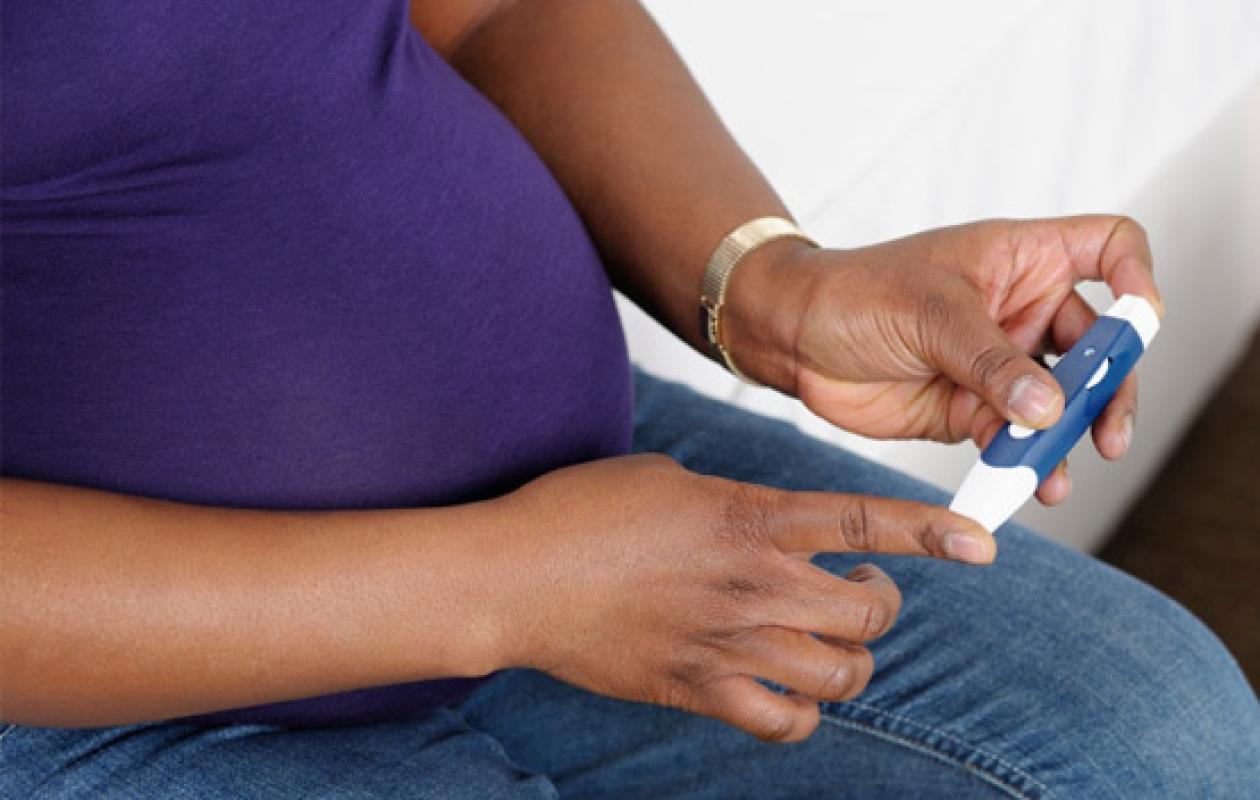
Diabète gestationnel : Une vigilance particulière pendant le Ramadan
In Senegal, many pregnant women choose not to fast during Ramadan. While pregnancy is not in itself an absolute contraindication to fasting, certain medical conditions require increased caution. Among these, gestational diabetes is a key consideration. Dr. Cheikh Diop, a gynecologist-obstetrician, emphasizes the specific risks associated with this condition.
Gestational diabetes is a disorder of blood sugar regulation that develops during pregnancy. It requires strict medical monitoring, a controlled diet, and, in some cases, insulin treatment. "In this situation, fasting can disrupt blood sugar levels and expose both the mother and the fetus to complications," warns the specialist.
Indeed, prolonged fasting can cause episodes of hypoglycemia (excessive drops in blood sugar) during the day, as well as hyperglycemia after breaking the fast if the diet is too rich or poorly distributed. These sudden fluctuations in blood sugar are particularly dangerous during pregnancy. They can cause discomfort in the mother and also affect the baby's development. The fetus depends directly on the mother's nutritional intake and metabolic balance. Poorly controlled diabetes increases the risk of complications, including excessive growth in the baby, difficulties during delivery, and metabolic disorders at birth.
"A woman with gestational diabetes should never decide to fast without the formal advice of her doctor," insists Dr. Diop.
Beyond gestational diabetes, other conditions such as high blood pressure or severe anemia can also make fasting risky.
But diabetes remains one of the most sensitive situations, because it requires regularity in food intake and sometimes in insulin administration, which is incompatible with a long period of deprivation.
Even in a pregnant woman without any underlying health conditions, certain periods of pregnancy are more challenging. The first trimester is often marked by hypoglycemia, while the third trimester, as delivery approaches, requires sufficient energy reserves.
However, in the absence of complications and with appropriate medical supervision, fasting can be considered on a case-by-case basis. The warning signs remain the same: dizziness, extreme fatigue, malaise, sweating, or trembling should lead to breaking the fast immediately. "The absolute priority remains the health of the mother and child," the gynecologist reminds us.
While Ramadan is a powerful spiritual time, it should never jeopardize the blood sugar control of a pregnant woman with gestational diabetes. Personalized medical advice is essential before making any decisions.












![[Édition Spéciale] Tout Sur la Composition du Nouveau Gouvernement](https://image.seneweb.com/content/news/2026-23-01//thumb_1260x800_6a1ddca812d4e_URisx1rdt4.jpg)











Commentaires (3)
Participer à la Discussion
Règles de la communauté :
💡 Astuce : Utilisez des emojis depuis votre téléphone ou le module emoji ci-dessous. Cliquez sur GIF pour ajouter un GIF animé. Collez un lien X/Twitter, TikTok ou Instagram pour l'afficher automatiquement.