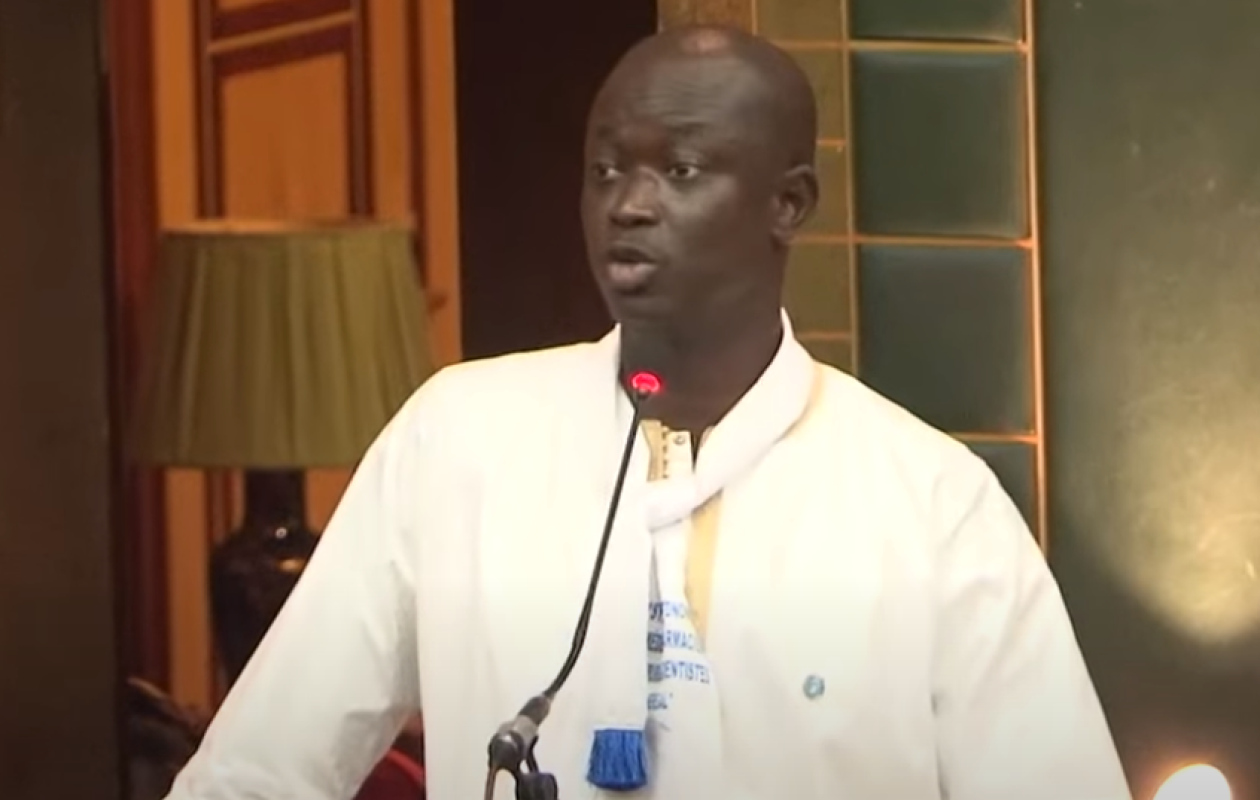
Déficit de médecins, chômage des jeunes et fuite des cerveaux : le paradoxe dénoncé par le Dr. Mamadou Demba Ndour
While Senegal faces a critical shortage of doctors, pharmacists, and dentists in its healthcare facilities, hundreds of young, locally trained healthcare professionals struggle to find decent employment. This paradox was vigorously denounced by the Autonomous Union of Doctors, Pharmacists, and Dentists of Senegal (SAMES) at its national congress held this Saturday in Dakar.
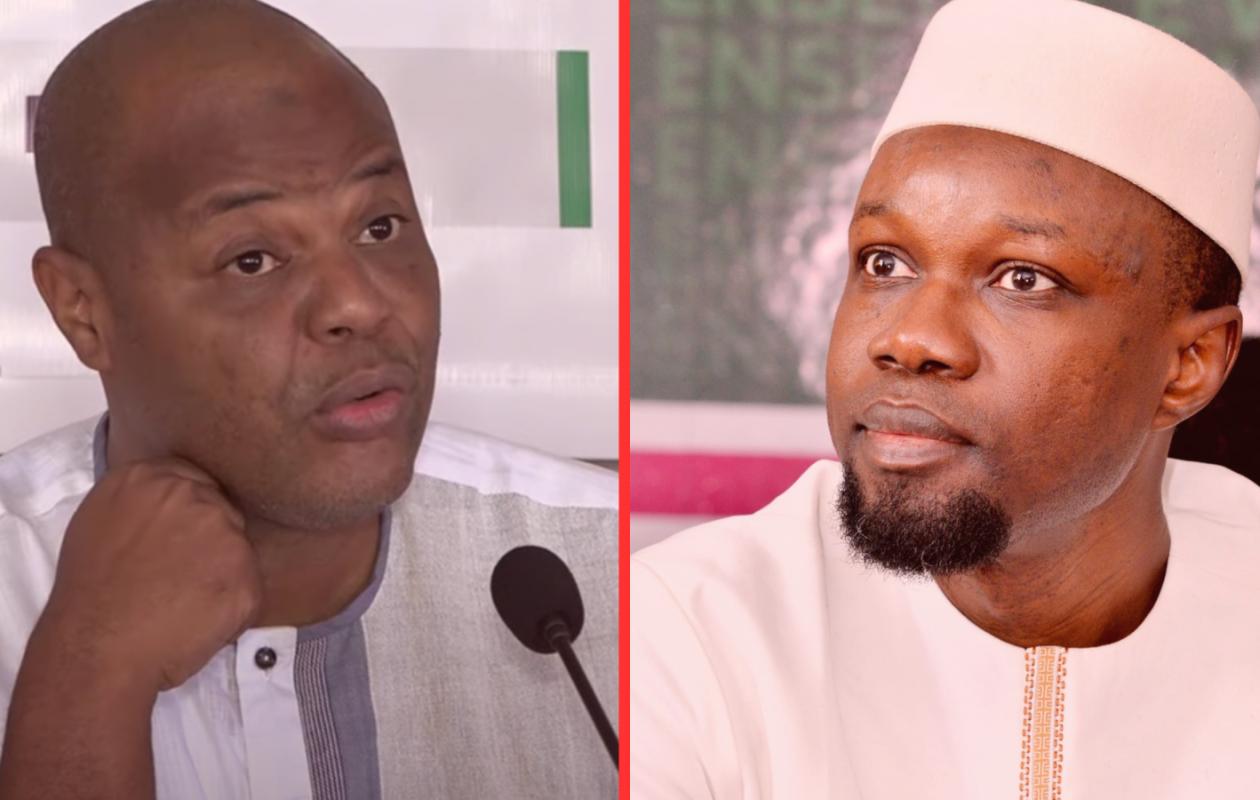
Placed under the theme "Recruitment, motivation and retention of doctors, pharmacists and dentists: what sustainable union responses?", this meeting was an opportunity for the Secretary General of Sames, Mamadou Demba Ndour, to draw up an uncompromising diagnosis of the Senegalese health system.
According to the outgoing Secretary General of Sames, Senegal already has very few doctors, pharmacists and dentists compared to international standards. "Historically low ratios, now even more weakened by the brain drain abroad or towards more attractive opportunities outside the public system," he said.
"The reason is that the Senegalese public hospital system is not attractive," states Mamadou Demba Ndour. He denounces "insufficient salaries, difficult working conditions, and a lack of career prospects."
Despite nearly twenty years of union struggles for improved pay, the gap remains, pushing many practitioners to seek "a better place" to meet their needs and practice their profession with dignity.
The contrast is all the more striking given that, at the same time, young doctors, pharmacists, and dentists trained in the country's medical faculties and departments find themselves unemployed or in precarious situations. The union denounces the government's reluctance to recruit these young professionals, who are nevertheless essential to strengthening the healthcare system.
“Some are forced to accept exploitative, dehumanizing contracts that respect neither the dignity nor the responsibility of a healthcare professional,” laments the Secretary General of Sames. For the union, this situation illustrates the deep inconsistencies of the Senegalese healthcare system: on the one hand, understaffed public facilities; on the other, available but unintegrated skills.
Referring to the stability pact signed with the government, Mamadou Demba Ndour believes that SAMES has honored its commitments, unlike the State. "Since the signing of the pact, the government has not kept any of its promises," he asserts, recalling the leading role played by the union in the negotiations and in pacifying the social climate.
Faced with the lack of concrete answers, the tone is hardening. SAMES announces that 2026 will be a highly unionized year, marked by strong demands if the essential issues related to the recruitment, motivation and retention of human resources in healthcare are not resolved.
Through this congress, Sames calls on the State to engage in deep introspection and take responsibility to stop the brain drain, absorb unemployment among young graduates, and restore the attractiveness of the public health service. For the union, "the issue goes beyond corporatist demands: it is about preserving Senegal's health sovereignty and guaranteeing equitable access to quality care for the population."
It should be noted that this Congress will also serve as a framework for renewing the union's governing bodies.








Commentaires (7)
Un médecin de statut interne en France vivra mieux qu'un médecin ayant le même statut au Sénégal ,
Un ouvrier maçon en France vivra mieux qu'un ouvrier maçon au Sénégal,
Un ouvrier mécanicien en France vivra mieux qu'un ouvrier mécanicien au Sénégal , on peut faire le tour des metiers et le résultat ne changera pas .
Si un médecin , un ingénieur quitte le Sénégal pour la France et y restent ce n'est pas pour rien .
Participer à la Discussion
Règles de la communauté :
💡 Astuce : Utilisez des emojis depuis votre téléphone ou le module emoji ci-dessous. Cliquez sur GIF pour ajouter un GIF animé. Collez un lien X/Twitter ou TikTok pour l'afficher automatiquement.