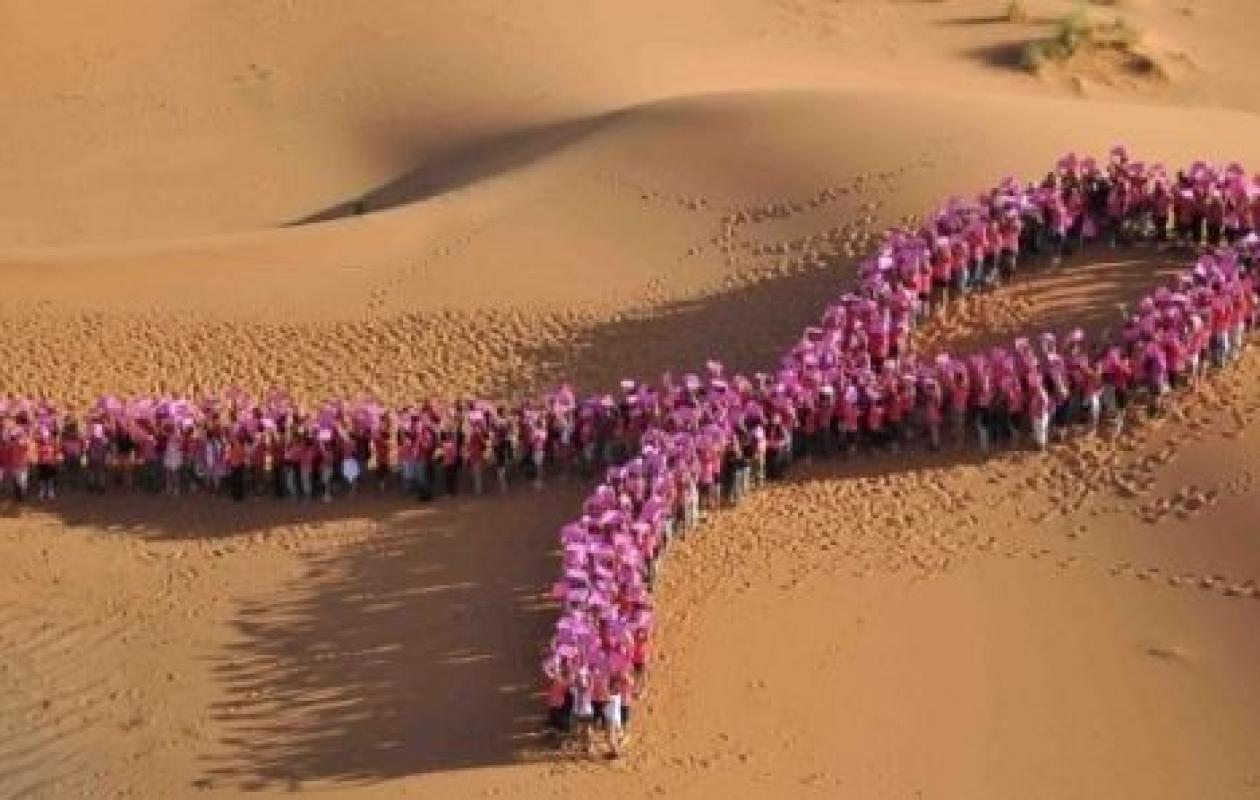
Journée mondiale de lutte contre le cancer : Entre avancées notables et défis persistants, le Sénégal à l’épreuve de l’équité sanitaire
World Cancer Day is being celebrated this Wednesday, February 4, 2026, at the Fann Poison Control Center under the theme "United by One: Shared Perspectives on Cancer, from Experience to Action." This event will focus on advocacy, mobilization, and the urgent need to act in the face of a disease that has become a major public health issue in Senegal and across West Africa.
Presiding over the ceremony on behalf of the Minister of Health and Public Hygiene, Dr. Ibrahima Sy, the Director General of Health, Professor Ousmane Cissé, recalled that this day "goes well beyond a simple commemoration" and constitutes a call for collective action against a disease whose human, social and economic impact is increasingly heavy.
Alarming figures on a global and African scale
Each year, nearly 10 million deaths are attributed to cancer worldwide, with more than 70% occurring in low or middle-income countries.
In Africa, the situation is aggravated by limited access to specialist care, insufficient organized screening programs, and a shortage of qualified human resources.
According to the World Health Organization (WHO), more than one million new cases of cancer are diagnosed each year on the continent, with nearly one million deaths.
"Cancer is no longer a silent crisis in Africa, it is a public health emergency," stressed Oubraham Kylia, representative of the WHO regional director.
A worrying situation in Senegal
In Senegal, data from the International Agency for Research on Cancer (IARC) reports 11,841 new cases and 8,134 deaths each year. Breast, cervical, prostate, liver, and stomach cancers are among the most common.
The relaunch of the National Cancer Registry (REXEN) in 2022 has allowed for better documentation of the extent of the disease. A retrospective data collection conducted between 2024 and 2025, covering the period 2015–2019 and involving 32 public and private institutions, identified more than 30,000 cases. The data also reveal a significant regional disparity, with 41% of cases concentrated in Dakar and Kaolack, highlighting the urgent need to improve access to care in other regions.
Significant progress, but insufficient.
In response to this situation, Senegal has adopted the National Strategic Plan for Cancer Control 2025–2029, estimated at 80 billion CFA francs, which focuses on prevention, early detection, and improved care. This program aligns with the vision of the National Transformation Agenda Senegal 2050 and the National Development Strategy 2025–2029.
Notable advances include: free chemotherapy for certain cancers, particularly breast cancer; free morphine for palliative care; a reduction in the cost of radiotherapy from 700,000 to 150,000 CFA francs thanks to a state subsidy; and the gradual expansion of surgery and chemotherapy services in several regions.
However, it should be noted that to date, only Dakar and Diourbel (Touba) offer the full range of care (surgery, chemotherapy, and radiotherapy). Other regions such as Saint-Louis, Fatick, Ziguinchor, and Thiès offer only partial coverage.
The major challenge of human resources
Despite this progress, the shortage of oncologists and specialized personnel, especially outside of Dakar, remains a major obstacle.
"The fight against cancer rests on three pillars: essential medicines, infrastructure and quality human resources," recalled Professor Cissé, announcing a strengthening of training in partnership with national universities.
Prevention saves lives
Health authorities and their partners emphasize prevention as a key lever. Combating smoking and alcoholism, vaccination against human papillomavirus (HPV), early screening, and integrating palliative care from the time of diagnosis are identified as high-impact actions.
For the WHO, progress must now be measured "not by written strategies, but by the number of lives saved, cancers detected early, and families spared from financial ruin."
A collective responsibility
Placed under the slogan "United by the One", the 2026 edition emphasizes a person-centered approach, valuing the experiences of patients, families and caregivers.
In a context where inequalities in access to care persist, the fight against cancer in Senegal and West Africa remains a long-term battle that calls for strengthened political will, sustainable investments and national and regional solidarity to push back the disease and preserve thousands of lives.












Commentaires (0)
Participer à la Discussion
Règles de la communauté :
💡 Astuce : Utilisez des emojis depuis votre téléphone ou le module emoji ci-dessous. Cliquez sur GIF pour ajouter un GIF animé. Collez un lien X/Twitter ou TikTok pour l'afficher automatiquement.