Kédougou face au défi crucial des sages-femmes : Un personnel insuffisant face à l’urgence maternelle
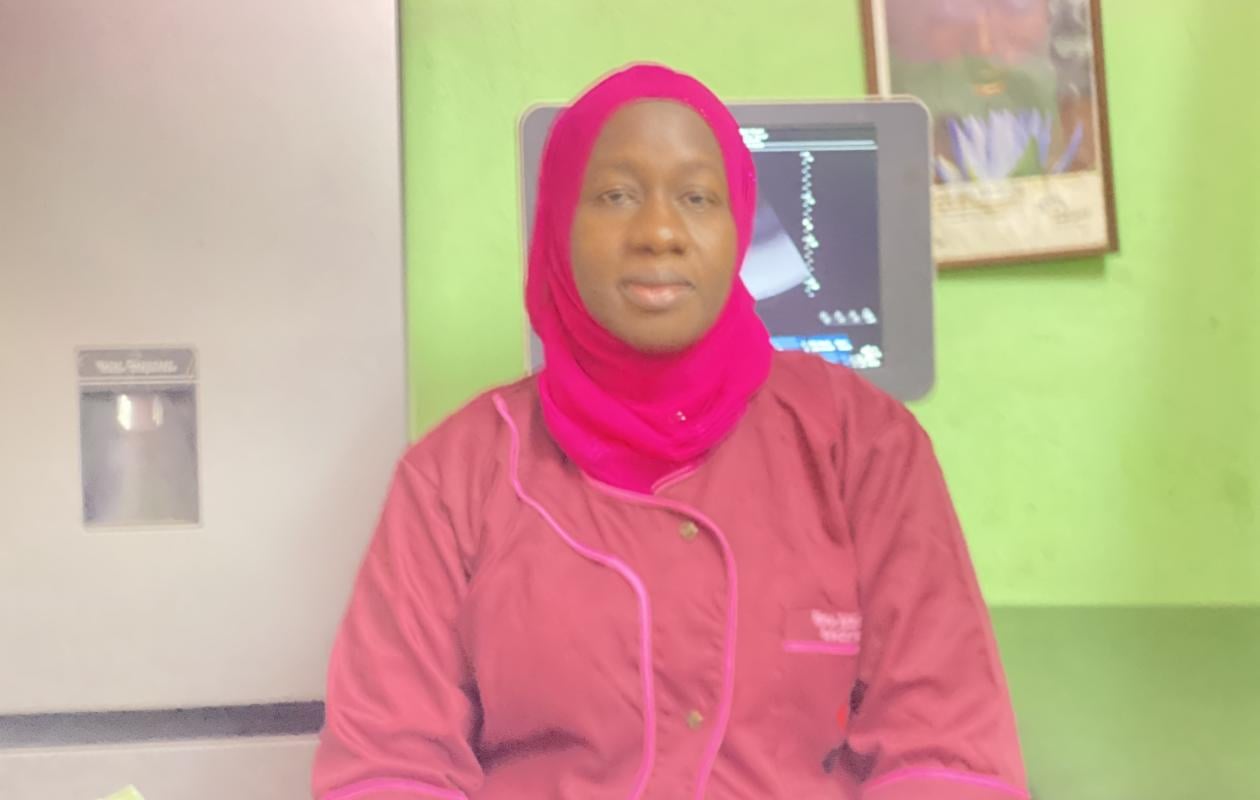
On the occasion of International Women's Day, celebrated under the theme "One million more midwives", the regional president of the National Association of State Midwives of Senegal (ANSFES) in Kédougou is raising the alarm about the worrying situation of maternal health in this landlocked region of southeastern Senegal.
For Diabou Cissokho, this year's theme resonates particularly with the realities of Kédougou, where the critical shortage of midwives is a major obstacle to accessing reproductive healthcare, especially in the most remote areas. "There is a real urgency to invest in midwives," she asserts.
According to her, a massive increase in staff would significantly reduce maternal and infant deaths by bringing care closer to women living in remote areas where health facilities are often lacking in qualified personnel.
Remote areas deprived of appropriate care
In several health posts in the region, the lack of midwives forces nurses to provide reproductive health services alone, often in precarious conditions. This situation exposes pregnant women and newborns to more avoidable risks.
Kédougou, characterized by its remoteness, isolation, and insecurity in certain gold mining areas, struggles to attract and, above all, retain the midwives assigned to it. "Many refuse to stay long-term because of the distance, the lack of security, and the difficult conditions," explains the regional manager.
An alarming ratio: one midwife for every 700 women
Currently, the association's regional branch has 93 midwives spread across the districts of Kédougou, Salémata, and Saraya, with about ten new recruits awaiting integration. This number is well below recommended standards.
While standards call for one midwife for every 300 women of childbearing age, Kédougou has a worrying ratio of one midwife for every 700 women.
This overload directly impacts the quality of care. In some facilities where three midwives would be needed, a single professional has to manage all consultations, deliveries and postnatal follow-up.
Patients facing long waits
This staff shortage causes frustration and suffering for patients. Some women travel long distances, sometimes for 24 hours, to access a simple prenatal consultation.
"Waiting times are extremely long and this discourages many women," laments Diabou Cissokho, stressing that the presence of a large number of midwives in remote areas would help to relieve pressure on facilities and significantly improve care.
Investing to save lives
Through her plea, the regional president calls on the authorities to strengthen the recruitment, allocation and retention of midwives, particularly in peripheral regions like Kédougou.
In a context where reducing maternal and infant mortality remains a priority, the Kédougou appeal reminds us that beyond speeches, investment in midwives remains a vital necessity to guarantee every woman, wherever she lives, equitable access to quality care.

















Commentaires (0)
Participer à la Discussion
Règles de la communauté :
💡 Astuce : Utilisez des emojis depuis votre téléphone ou le module emoji ci-dessous. Cliquez sur GIF pour ajouter un GIF animé. Collez un lien X/Twitter, TikTok ou Instagram pour l'afficher automatiquement.