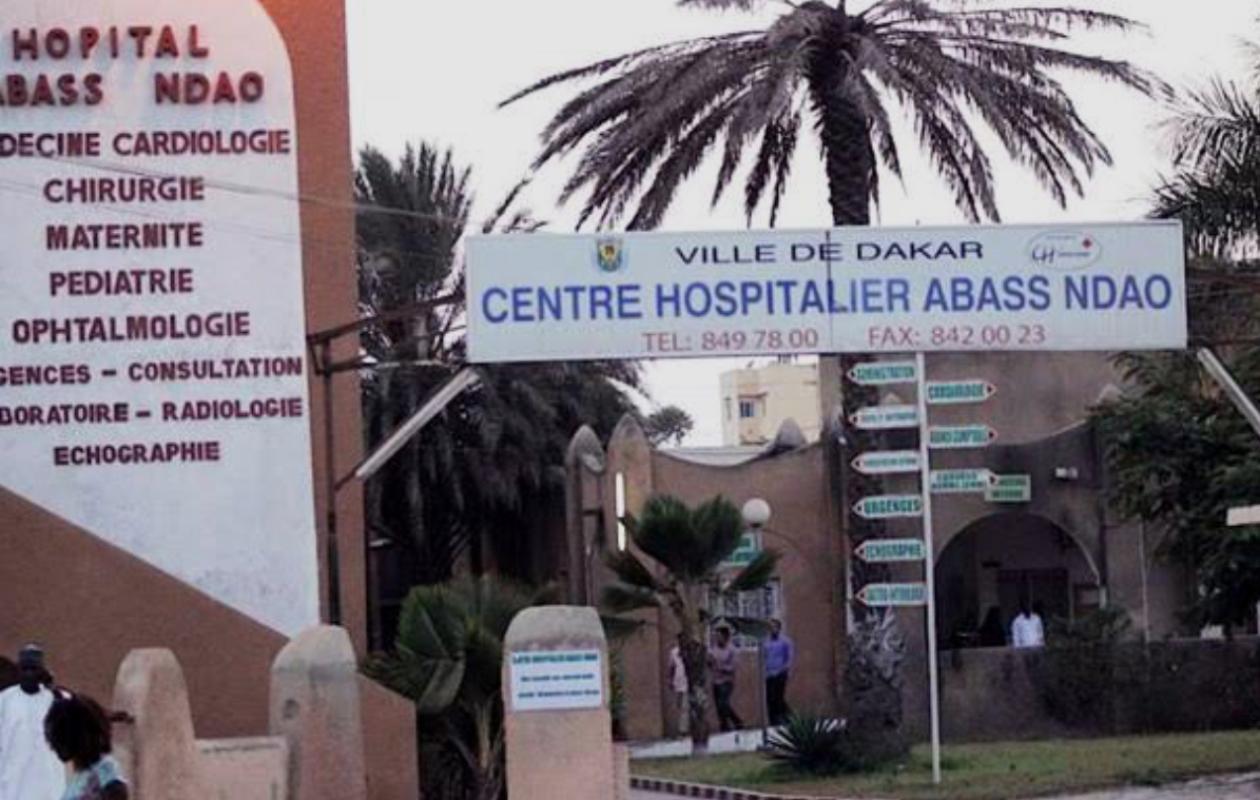
Lutte contre les MGF : L’hôpital Abass Ndao répare gratuitement 52 femmes et annonce un centre régional de référence
The 3rd edition of the FGM Mission opened this Friday, February 6, 2026, in Dakar, on the occasion of the International Day of Zero Tolerance for Female Genital Mutilation. This major scientific meeting, organized by the Senegalese League Against FGM, focuses on strengthening prevention, improving support for survivors, and consolidating the fight against this still deeply entrenched practice.
For one week, Abass Ndao Hospital provided free surgical repair care to 52 women who had undergone female genital mutilation. This initiative was hailed as a major step forward in restoring the dignity, health, and self-esteem of the survivors.
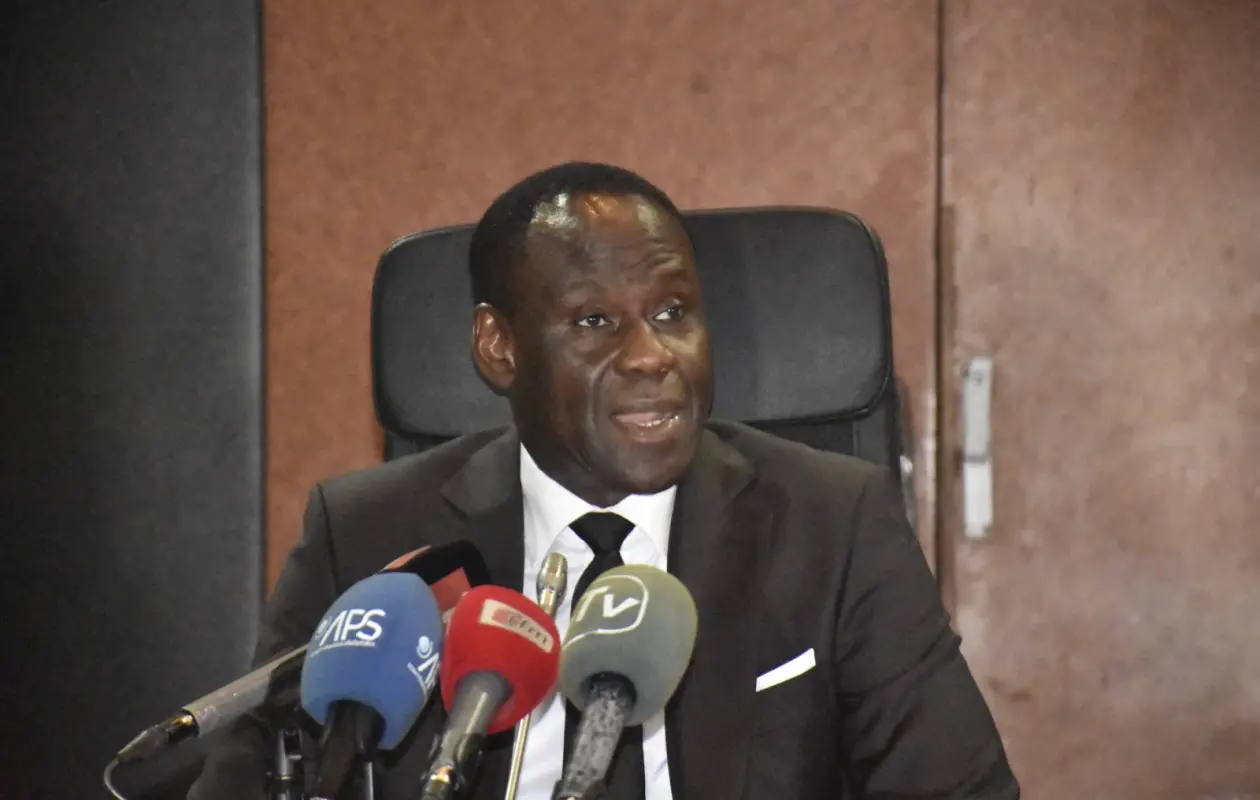
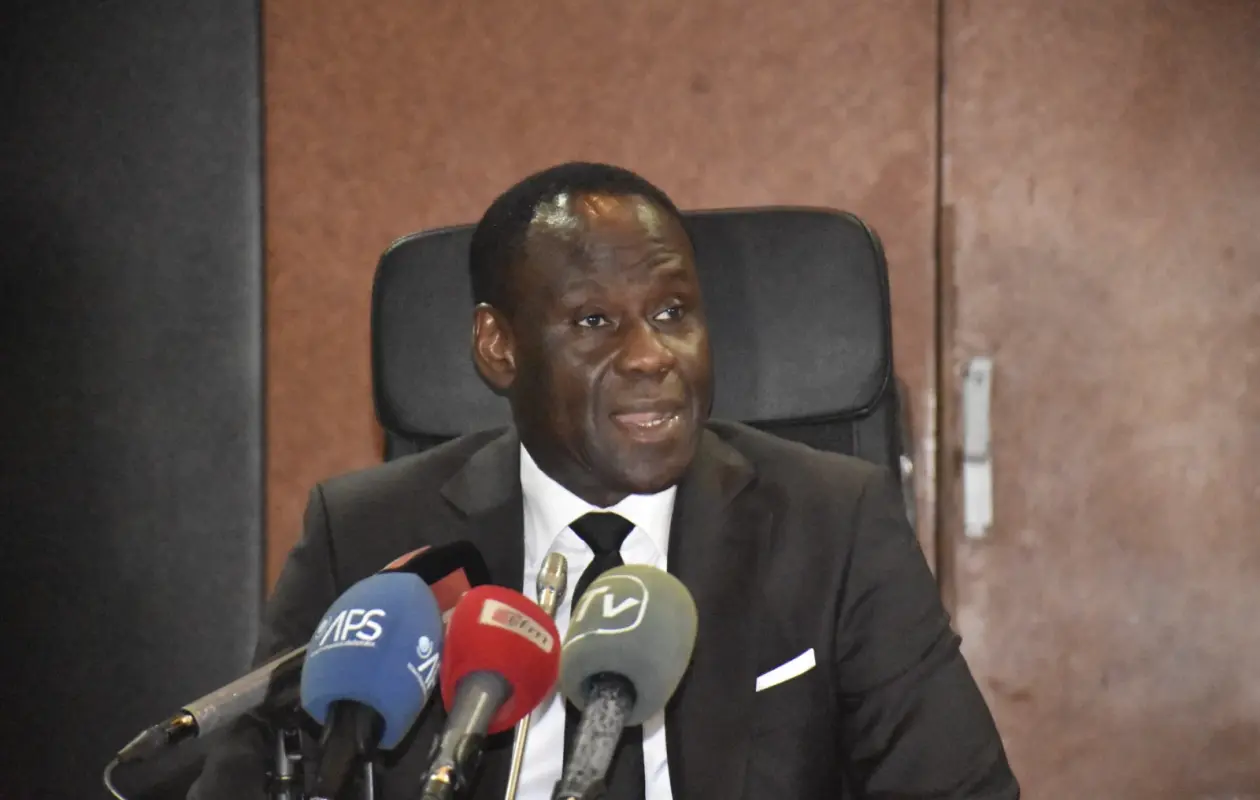
Speaking at the symposium, Professor Demba Diédhiou, Director General of the Abass Ndao Hospital Center, recalled that female genital mutilation remains a public health problem in Senegal, still affecting nearly one in four women with significant disparities according to regions, communities and socio-cultural dynamics.
"The after-effects are severe: chronic pain, obstetric complications, sexual disorders and psychological trauma that deeply affect the dignity of women," he stressed.
The hospital director also testified to his immersion with the patients throughout the mission, highlighting the lasting psychological impact of FGM, often experienced in silence, even when the victims no longer precisely remember the act suffered during childhood.
Held under the theme "Female Genital Mutilation: From Prevention to Repair", this 3rd edition brought together national and international experts, health professionals, public decision-makers, technical and financial partners, as well as institutional and community actors committed to the elimination of FGM.
Scientific round tables, exchanges of experiences and interventions by specialist surgeons have highlighted the need for comprehensive care, integrating the medical, psychological, social and legal aspects.
"Surgical repair is a major advance today, but it cannot replace prevention. If prevention is missed, repair becomes a last resort," insisted Professor Diédhiou.
A highlight of the conference was the announcement of the project to create a regional center for combating female genital mutilation within the Abass Ndao Women's and Children's Hospital. This future center aims to play a key role in care, training, research, and prevention for the benefit of Senegal and the sub-region.
According to the general manager, the Abass Ndao hospital center already has all the necessary assets: a diversity of specialists, the largest maternity ward in the country, strong accessibility and a historical expertise in women's health care.
The speakers unanimously reiterated that female genital mutilation constitutes an injustice from the perspective of science, health and human rights, and that it has no medical or religious basis.
Following this symposium and drawing on the experience gained through the three editions of the MGF Mission, the organizers believe that Senegal now has the institutional, legislative and health bases to effectively structure the fight against MGF with prevention as the central pillar.
"Together, united by a common vision, we can restore hope to thousands of women, guarantee them safe motherhood and a future based on health, dignity and human rights," concluded Professor Demba Diédhiou.
















Commentaires (2)
Participer à la Discussion
Règles de la communauté :
💡 Astuce : Utilisez des emojis depuis votre téléphone ou le module emoji ci-dessous. Cliquez sur GIF pour ajouter un GIF animé. Collez un lien X/Twitter ou TikTok pour l'afficher automatiquement.