Maladies héréditaires du métabolisme : Ces pathologies rares qui menacent silencieusement la vie des enfants
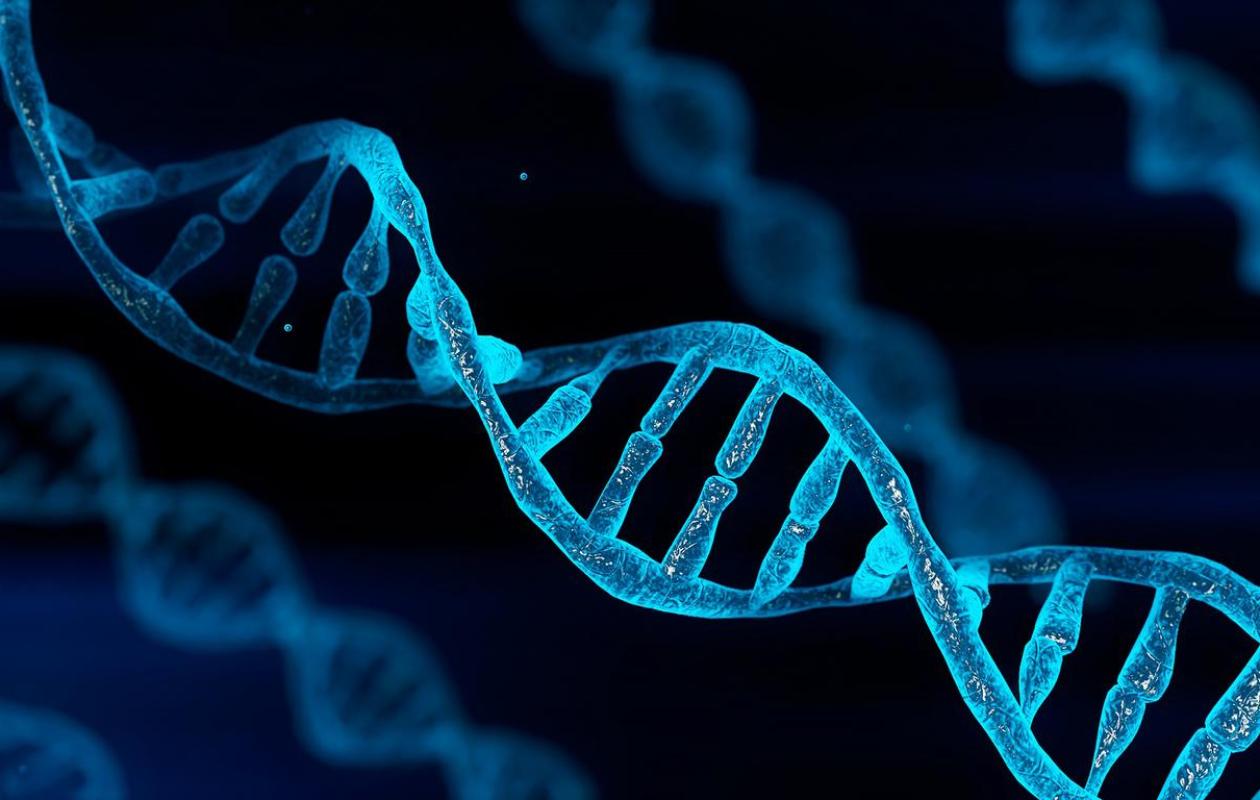
Often overlooked by the public, hereditary metabolic diseases constitute a major medical emergency. Of genetic origin, they disrupt the body's normal functioning and can lead to serious neurological complications, or even death, if not diagnosed early. Between scientific advances, diagnostic challenges, and therapeutic hopes, these diseases represent a significant public health issue.
It should be noted that the pre-congress of the scientific days of the Senegalese Association of Neurology, which opened on February 4, 2026, focused on hereditary metabolic diseases, genetic conditions that primarily affect children. "These diseases mainly affect children. Even if some affected individuals can reach adulthood, they generally live with a disability," explains Professor Maouly Fall, a neurologist. These conditions, he says, often manifest as delayed psychomotor development, difficulties sitting, crawling, or walking, as well as seizures or malformations. He adds that managing these diseases requires the simultaneous intervention of several specialists, which complicates access to care for many families. "Treatment is multidisciplinary and requires significant resources. It is often a major challenge for families, both medically and financially," Professor Maouly Fall explains.
Genetic diseases with serious consequences
Inherited metabolic disorders encompass more than 500 different pathologies. They generally result from genetic abnormalities affecting enzymes, transport proteins, or other elements essential to the biochemical reactions necessary for proper cell function. "Some of these diseases are potentially fatal if they are not treated promptly. Their diversity necessitates a thorough understanding of cellular metabolism in order to effectively diagnose and treat affected children," explained Professor Fatou Diallo Agne, a specialist in metabolism and medical genetics, during a presentation to participants at this scientific conference.
These abnormalities prevent the body from properly processing certain substances produced by food or other bodily substances. As a result, toxic substances accumulate or, conversely, essential elements for energy production are lacking. Although rare individually, these diseases have an estimated prevalence of between one in 10,000 and one in 30,000 births. In most cases, they are transmitted in an autosomal recessive manner, meaning that both parents are healthy carriers of the defective gene.
A particular danger to the brain
One of the main threats associated with these diseases is the accumulation of toxic substances, particularly ammonia, produced by protein metabolism. When this compound is not properly eliminated by the liver, it becomes particularly harmful to the brain. This situation can cause, according to the specialist speaking at the neurologists' scientific conference, "severe neurological disorders such as mental confusion, seizures, encephalopathy, or even coma. In infants, it can manifest as feeding difficulties, lethargy, or developmental delays."
Phenylketonuria, a prime example
Among the best-known metabolic diseases is phenylketonuria (PKU). This condition is linked to a deficiency of an enzyme called phenylalanine hydroxylase, which is essential for converting phenylalanine into tyrosine. "Without treatment, the accumulation of phenylalanine in the body causes progressive brain damage, leading to severe intellectual and psychomotor delays." However, "thanks to newborn screening and a strict low-phenylalanine diet, affected children can now lead almost normal lives," explains Professor Diallo.
Diseases linked to an energy deficiency
Certain inherited metabolic disorders also prevent the body from producing enough energy. This is the case with disorders of fatty acid breakdown, a process essential for providing energy, particularly during periods of fasting. These conditions can manifest as severe hypoglycemia, muscle damage, liver problems, or even life-threatening metabolic crises.
Other forms of metabolic diseases affect lysosomes, cellular structures responsible for breaking down certain complex molecules. When this mechanism malfunctions, substances accumulate in cells, leading to damage affecting multiple organs. Gaucher disease is one example. It can cause neurological disorders, developmental delays, as well as liver and bone damage.
The crucial importance of early diagnosis
Faced with these conditions, early diagnosis is crucial. Specialists emphasize the importance of neonatal screening, which allows for the identification of certain diseases in the first days of life. "Early diagnosis is not just about putting a name to a disease: it completely changes the prognosis and the child's quality of life," stresses Professor Fatou Diallo Agne. "In many cases, appropriate care can prevent irreversible complications," she says.
According to him, several biological tests can guide the diagnosis, including the measurement of ammonia, lactate, blood glucose, and the analysis of urinary organic acids. Advances in molecular biology now make it possible to precisely identify the genetic mutations responsible for these diseases.
A multidisciplinary approach
The management of inherited metabolic disorders relies on close collaboration between pediatricians, neurologists, geneticists, and biologists. Treatments vary depending on the specific disorder and may include special diets, enzyme therapies, or strategies to limit the accumulation of toxic substances. Despite these advances, these diseases remain a significant cause of infant mortality and severe neurological disabilities, particularly in settings where diagnosis is delayed.
Recent advances in metabolomics, proteomics, and genetics are opening up new perspectives. These technologies allow for a better understanding of biological mechanisms and promote the development of treatments tailored to each patient's molecular profile. Experts believe that the future of managing metabolic diseases lies in strengthening screening, improving access to specialized diagnostics, and training healthcare professionals.























Commentaires (1)
Participer à la Discussion
Règles de la communauté :
💡 Astuce : Utilisez des emojis depuis votre téléphone ou le module emoji ci-dessous. Cliquez sur GIF pour ajouter un GIF animé. Collez un lien X/Twitter, TikTok ou Instagram pour l'afficher automatiquement.