Mise en place d’un système intégré de couverture du risque maladie au Sénégal : La SEN-CSU impulse la dynamique
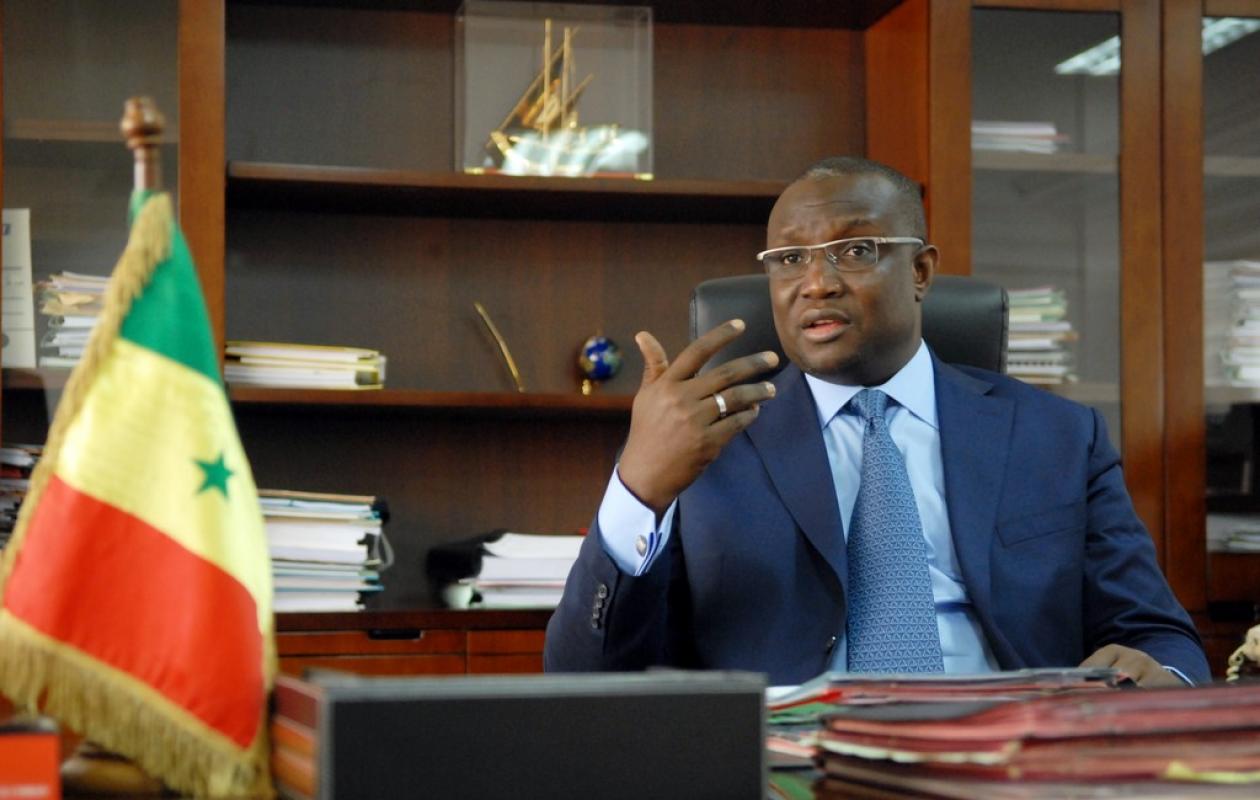
The Director General of the Senegalese Agency for Universal Health Coverage (SEN-CSU), Dr. El Hadji Séga GUÈYE, deplores the very strong fragmentation of health insurance schemes in Senegal, one of the consequences of which is the reduction of the financial capacity for the purchase of care.
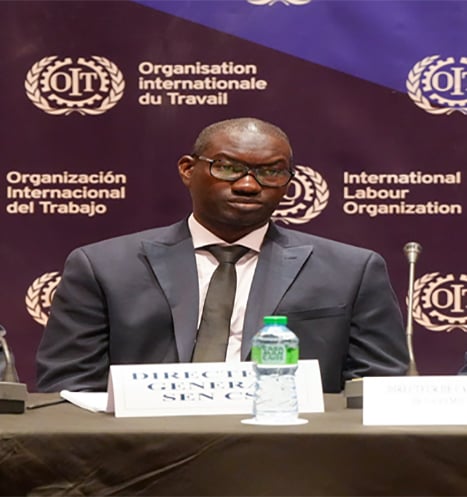
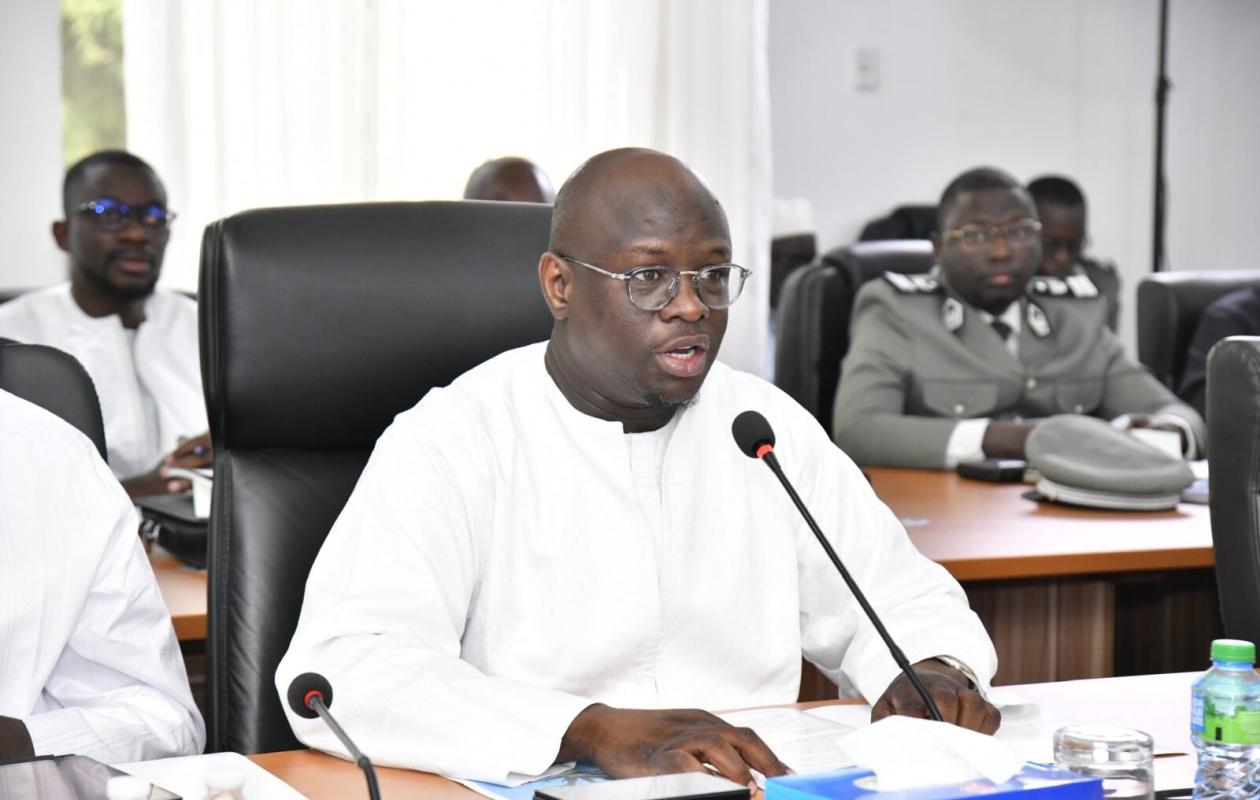
He made this observation on Tuesday in Dakar, at the opening of the second workshop on the establishment of an integrated national health insurance system, co-organized by SEN-CSU, the World Bank, the International Labour Organization (ILO) and chaired by the Chief of Staff of the Minister of Family, Social Action and Solidarity, Youssouph DJITTÉ.
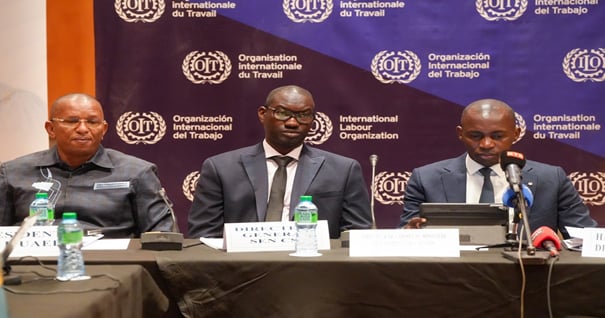
For the CEO of SEN-CSU, this meeting allows all stakeholders at the national level to engage in high-level dialogue to define the appropriate architecture for establishing an integrated system involving all actors responsible for implementing health insurance coverage in Senegal. "We must promote a Senegalese model capable of taking into account all the specificities of the sector, to guarantee access to healthcare for all Senegalese. The new role of primary insurer entrusted to SEN-CSU is part of this dynamic of working with delegated management bodies to anticipate any necessary regulatory adjustments, in full alignment with the objectives of integrated and inclusive health coverage in Senegal," Dr. El Hadji Séga Guèye told the media.
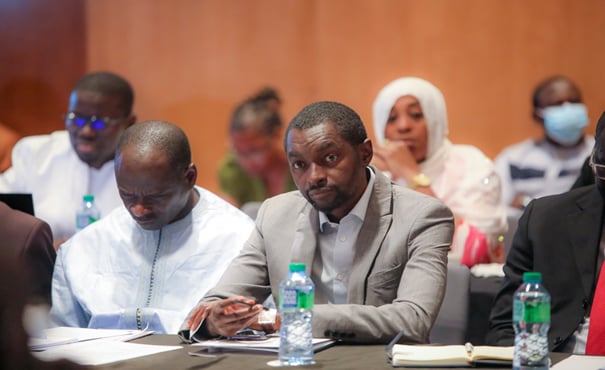
Youssouph DJITTÉ, Chief of Staff to the Minister of Family, Social Action and Solidarity, who presided over the opening of the meeting, urged those involved in implementing health risk coverage to identify areas of integration between all coverage schemes, with a focus on the targets covered by the schemes, and to conduct a dialogue on the standard architecture for the institutionalization of an integrated system in Senegal based on the proposed scenarios.
An initial workshop was held in November 2025 to analyze the architectural scenarios proposed in the baseline report. Following this workshop, a consensus was reached on the scenario envisioning a national health insurance system based on the creation of a single national health insurance fund mandated to manage a basic scheme for the entire population. Management responsibilities would be delegated to public health insurance funds, mutual health insurance companies, private insurers, and other providers.
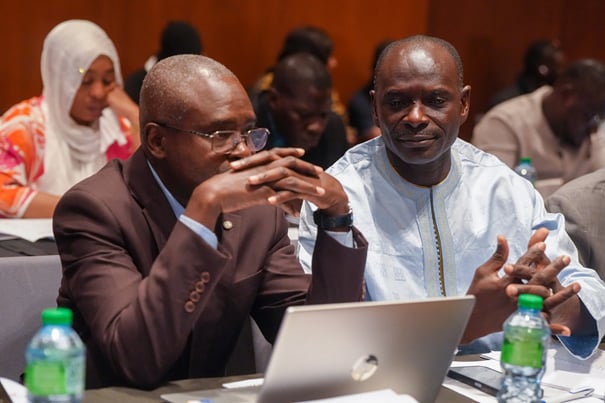
Today's meeting therefore represents another essential step to refine and consolidate the strategic choices made, while ensuring the support of all stakeholders around the proposed architecture.