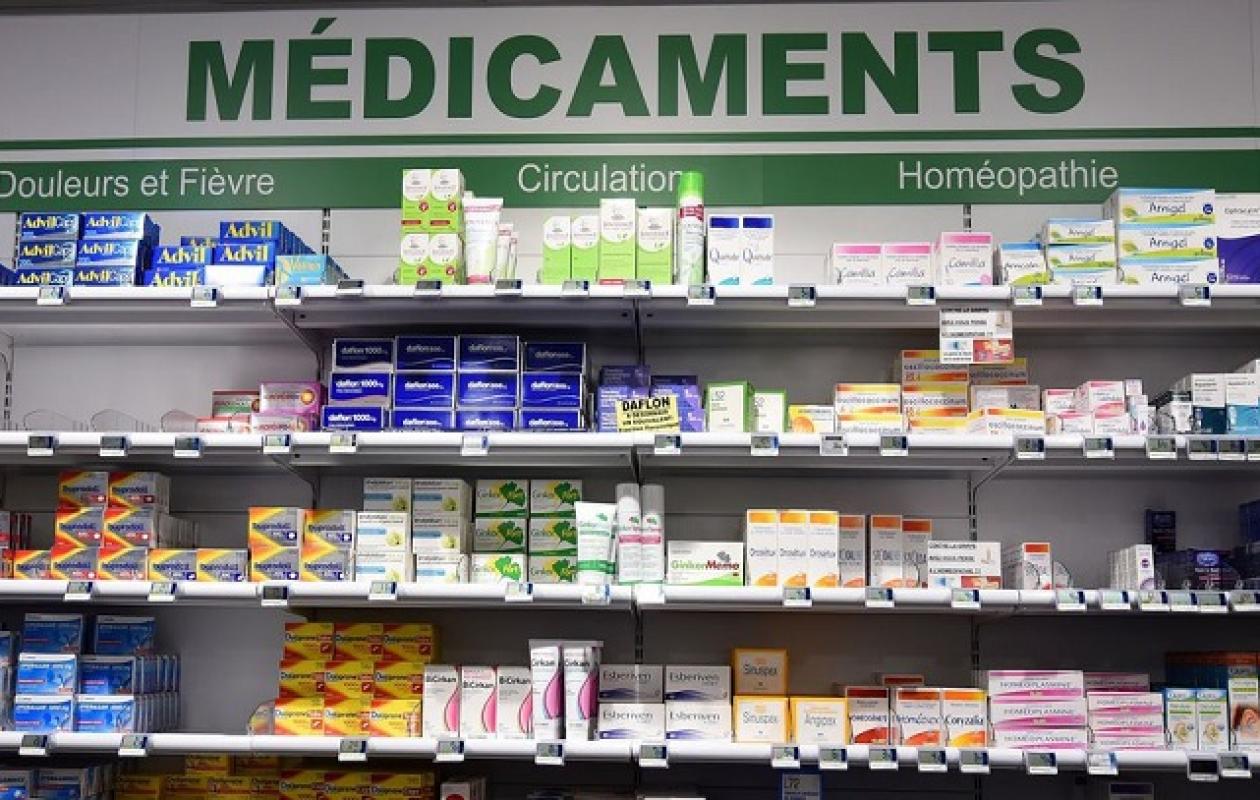
Souveraineté pharmaceutique : Vers une classification des médicaments prioritaires à court et moyen terme
Senegal still faces a persistent dependence on imported medicines. Yet, in its quest for health sovereignty, the country is taking a new step.
Indeed, the Ministry of Health and Public Hygiene, through the Project Management Unit for the Revival of the Local Pharmaceutical Industry (UGP/Pharma), held a strategic workshop on Monday, April 13, 2026, dedicated to sharing and refining a priority list of medicines to be produced locally by 2035.
“With nearly 80 to 90% of medicines imported, the national pharmaceutical system remains highly exposed to the vagaries of the international market, supply disruptions and price tensions. This reality has prompted the authorities to undertake a profound transformation of the sector, in line with the guidelines of the Systemic Transformation Strategy and the SNDD 2025–2029,” the terms of reference read.
It should be noted that in this dynamic, "the establishment of a sovereign list of medicines to be produced locally appears as a central lever to secure access to health products and strengthen the resilience of the health system".
Furthermore, the preliminary list is based on a cross-analysis of several reference sources: "National lists of essential medicines, consumption data from the SEN-PNA, priorities of public health programs, guidelines from the Pharmaceutical Regulatory Agency (ARP) as well as contributions from hospital structures and the local industrial sector."
The workshop brought together around thirty stakeholders from the pharmaceutical ecosystem: health authorities, researchers (UCAD, IRESSEF, IPD), professional bodies, manufacturers, wholesalers and technical and financial partners, including the WHO, GIZ, Enabel, Expertise France and UNIDO.
For all these specialists, it is necessary to arrive at a clear classification of medicines according to short-, medium-, and long-term priorities. This prioritization aims to align health ambitions with the country's actual industrial capacities, while taking into account the requirements of economic profitability and technical feasibility.
The discussions helped to refine the preliminary list based on contributions from various stakeholders, to identify priority segments based on their impact on public health, and to propose concrete guidelines for industrial implementation.
To accelerate the transformation, several key deliverables are expected, including: a validated and prioritized sovereign list of medicines to be produced locally, a classification by time horizons (short, medium and long term), an operational roadmap with an action matrix specifying responsibilities, deadlines and funding needs, and strategic, regulatory and financial recommendations for decision-makers and partners.







![[EXCLUSIF] Expulsion de la famille Srour : L'accusée Khady Diagne se prononce, documents à l'appui](https://image.seneweb.com/content/news/2026-20-14//thumb_1260x800_6a05cc2715573_a9nMMiStMC.jpg)











Commentaires (3)
Participer à la Discussion
Règles de la communauté :
💡 Astuce : Utilisez des emojis depuis votre téléphone ou le module emoji ci-dessous. Cliquez sur GIF pour ajouter un GIF animé. Collez un lien X/Twitter, TikTok ou Instagram pour l'afficher automatiquement.