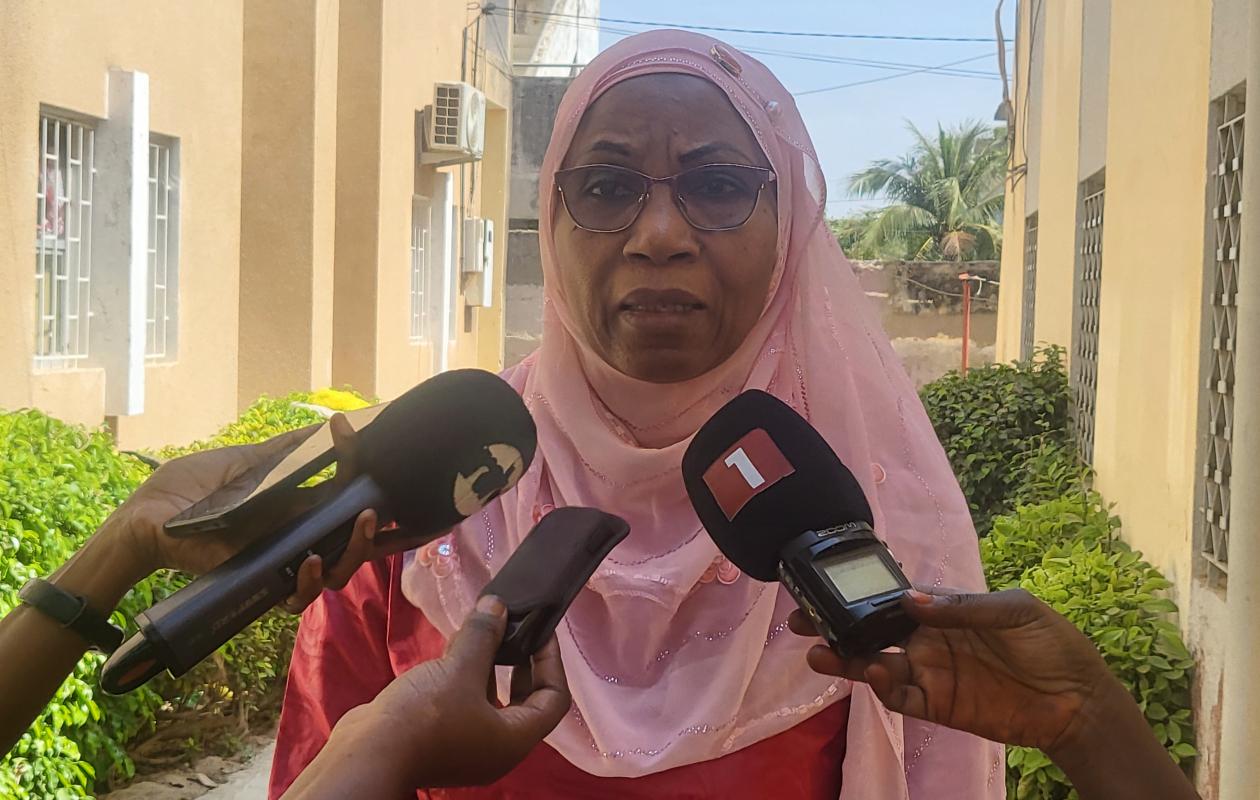
Projet Continus -PV : 11 000 personnes dépistées dans la région de Kaolack
Continus-PV ensures a continuum of care for vulnerable populations by offering quality health services in a Covid and Post-Covid context.
The Continus-PV project, launched in 2022 in the context of the COVID-19 pandemic and its aftermath, has achieved its objectives in the Kaolack region, stated coordinator Dr. Karim Diop. It is being implemented in the regions of Kaolack, Kolda, Sédhiou, and Ziguinchor, complementing initiatives supported by the Global Fund to Fight AIDS, Tuberculosis and Malaria, following an integrated approach.
A regional workshop to close the project, chaired by the deputy governor in charge of development, Mamadou Abib Camara, saw the participation of the regional director of Health, Aissatou Barry Diouf, in addition to the coordinator of the Continus-PV project.
He recalled that "the project started three years ago in a particular post-Covid-19 context, because we had just come out of this crisis and people were unable to access healthcare. That's why we thought that if healthcare was delayed, it would be good for people to go to the healthcare providers. (The project) is based on this mobility to go to vulnerable populations who do not have access to healthcare."
Speaking of the results, the coordinator explained that 11,000 people benefited from screening, improved HIV care, and that those lost to follow-up were found, such as in the commune of Ndoffane, where the number of people lost to follow-up went from 50 to three.
Tuberculosis also, which goes from 41% to 80% on the detection of people and the improvement of viral load and care such as diabetes screening.
The Kaolack region has achieved great success thanks to community work, but also to the pooling of resources developed by health development communities. This has allowed them to respond with good practices.
The regional health director emphasized that the Continus-PV project supported the four regional health directorates, including the one in Kaolack, in providing services to ensure continuity of care for a number of vulnerable populations. It enabled advanced and integrated strategies in some of the most remote districts where access to care is limited, including screening for tuberculosis, hepatitis B, diabetes, and hypertension, as well as raising awareness and providing care to the population.




















Commentaires (2)
🙏🏾🇸🇳
Participer à la Discussion
Règles de la communauté :
💡 Astuce : Utilisez des emojis depuis votre téléphone ou le module emoji ci-dessous. Cliquez sur GIF pour ajouter un GIF animé. Collez un lien X/Twitter, TikTok ou Instagram pour l'afficher automatiquement.