
Souveraineté sanitaire : Le secteur privé brise le tabou du profit et veut prendre les commandes
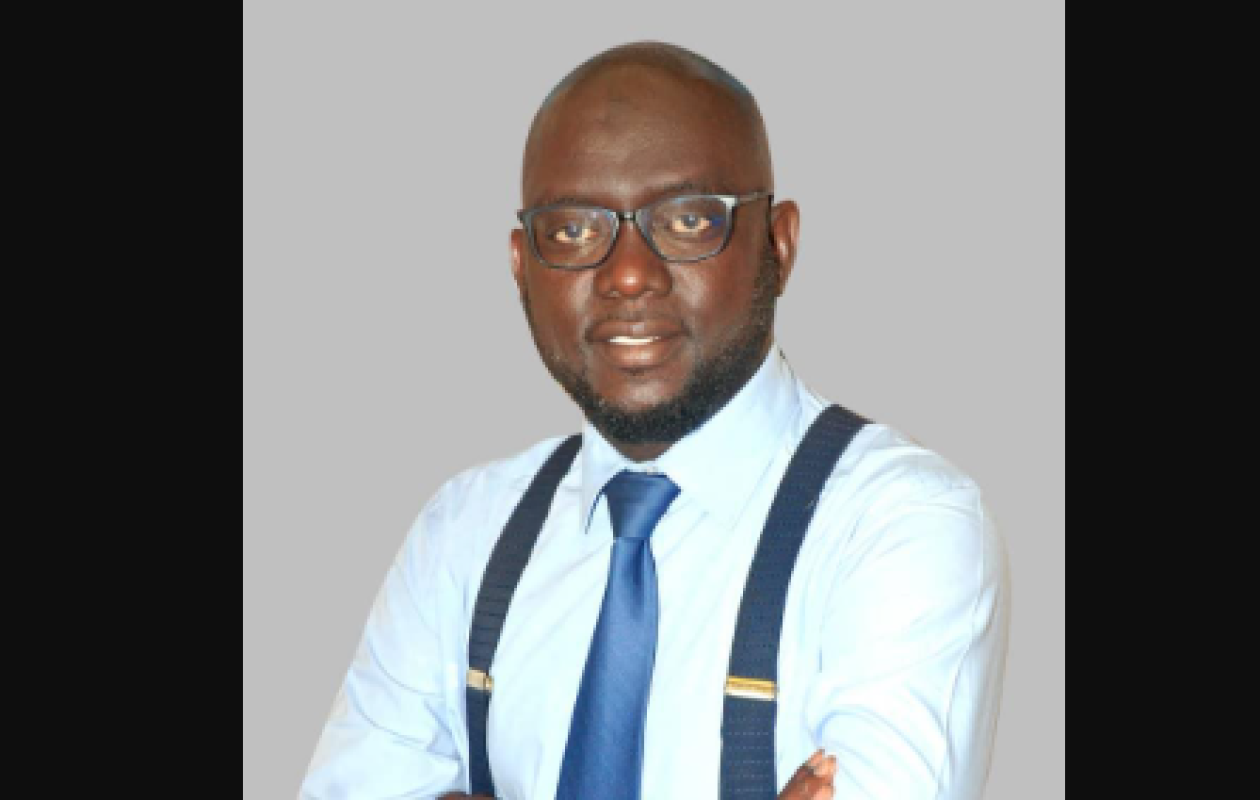
The first congress of the Union of Private Physicians of Senegal (SMEPS), held yesterday in Dakar, provided an opportunity for stakeholders in the private sector to issue a symbolic ultimatum. "Without the private sector, the country's health sovereignty remains an illusion," emphasized Dr. Abdou Kane Diop, president of the union. Indeed, driven by both economic demands and strategic ambitions, the private sector now seeks to co-lead Senegal's medical future.
The end of the "profitable" complex
Dr. Abdou Kane Diop, president of SMEPS, opened the discussions by breaking a long-standing taboo: the role of money in healthcare. For him, it is time to stop demonizing the private sector simply because it is profitable. "The fundamental goal is to provide care. The fact that this care is provided privately does not change the mission," he emphasized. With 45% of the national healthcare system and 35,000 jobs created, the private sector is no longer a "complement" but the driving force behind a system worth over 1 trillion CFA francs. From the introduction of the first CT scanner to the most complex surgical procedures, it is the private sector that is driving technological innovation in the country.
Yet, behind the technological facade, the sector is stifling. The SMEPS's advocacy highlighted obstacles deemed "archaic" by practitioners. These include fossilized tariffs: fees frozen for decades despite soaring operating costs; the tyranny of third-party payment: a lack of regulation that allows insurers to impose crippling payment delays on clinics; and a legislative vacuum: the absence of a specific status that would protect medical practice from mere commercialization.
The state capitulates in the face of the evidence.
Faced with this show of force, the Minister of Health, Ibrahima Sy, had to formalize this partnership of necessity. Health sovereignty, a pillar of the Senegal 2050 Agenda, cannot be achieved without a "functional merger" with the private sector.
The government has thus promised concrete reforms. These include, among other things, the immediate revision of the nomenclature of professional acts, the updating of medical fees (texts currently being finalized) and the overhaul of the Health Code to encourage investment in high-level private infrastructure.
The challenge now is to end dependence on foreign sources for medicines and cutting-edge technologies. By asserting their strategic role, private doctors are no longer simply asking for authorization to practice; they are demanding to become the driving force behind Senegal's healthcare economic intelligence.











Commentaires (2)
Aucune enquête tout est ndogolou Yalla
Deux membres proches de ma famille sont parties à jamais à cause de la négligence du corps médical, une pour accouchement et l'autre maladie nosocomiale attrapée a l'hôpital
Aujourd'hui ma mère a ete opérée pour un simple cataracte, elle ne voit plus car le chirurgien des yeux n'avait pas lu les radios avant pour voir que l'opération devait être reportée et traiter la lésion avant
On ne peut pas porter plainte quand tu le dis les gens pensent que tu rajoutes dans la douleur
Nos structures de santé dans le privé et dans public sont des mouroirs car aucun médecin n'est condamné. Si on commençait a les mettre en prison, des vies seraient sauvées. J'ai voulu monter une association pour la défense des victimes +33 6 05 93 14 63 whatssup mais les quelques personnes qui se sont intéressées ont commencé a m'exposer leurs soucis financiers, j'ai fermé le groupe whatssup mais je vois que c'est devoir. Donc e relance l'idee
Participer à la Discussion
Règles de la communauté :
💡 Astuce : Utilisez des emojis depuis votre téléphone ou le module emoji ci-dessous. Cliquez sur GIF pour ajouter un GIF animé. Collez un lien X/Twitter, TikTok ou Instagram pour l'afficher automatiquement.