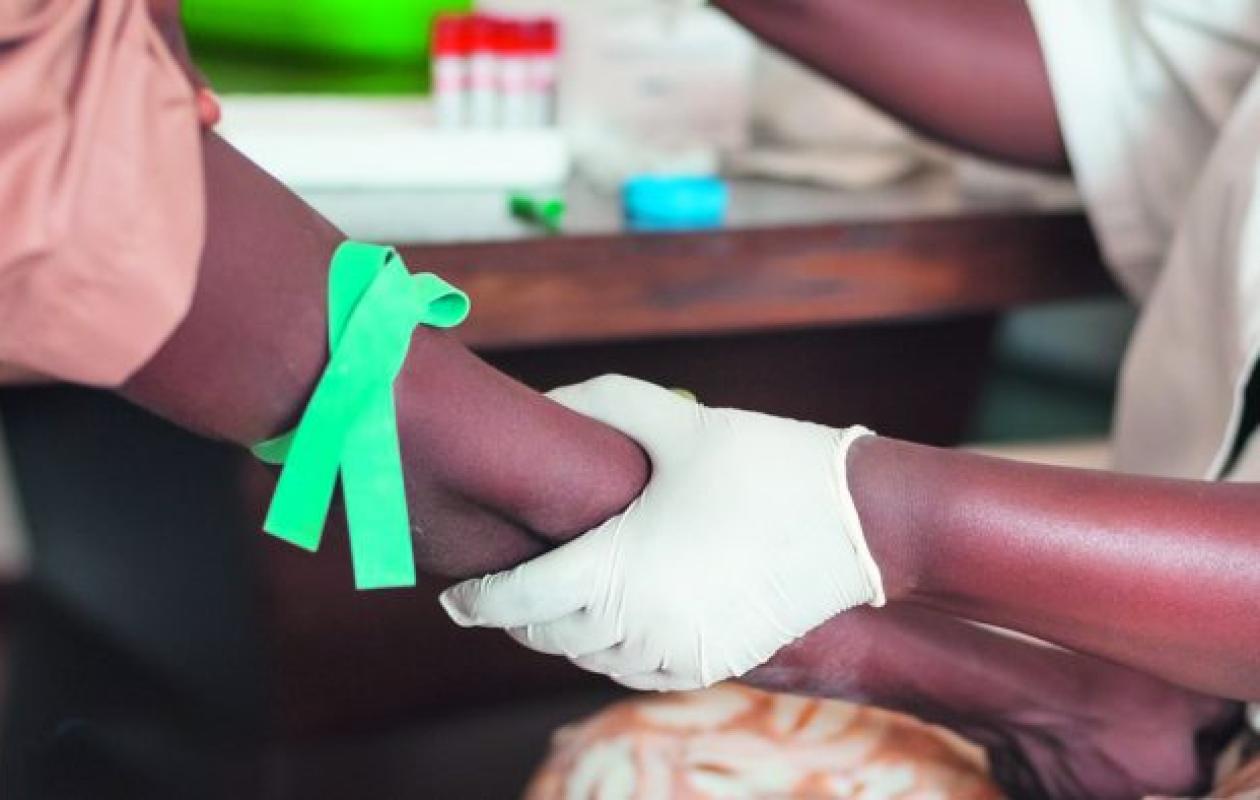
Journée mondiale du Sida : Le paradoxe du Sénégal, entre faible taux et fortes inégalités
The world celebrates World AIDS Day on December 1st. Senegal appears today as a country that has, overall, succeeded in maintaining a low HIV/AIDS prevalence rate while ensuring fairly broad treatment coverage. However, this rather positive picture masks significant vulnerabilities: key populations, young people, children, unequal access to care and treatment, and disparities in viral suppression. At a time when international funding is shrinking, the sustainability of the response will largely depend on the country's ability to strengthen its domestic financing, consolidate health services, and maintain heightened vigilance over the most at-risk populations. The National AIDS Control Council (CNLS) indicates that the HIV/AIDS prevalence rate in the general population of Senegal is estimated at 0.3%.
Despite this low prevalence, the reality remains heterogeneous across different populations. Certain groups, particularly key populations (men who have sex with men, sex workers, etc.), have rates much higher than the national average. In 2024, the number of people living with HIV (PLHIV) in Senegal is estimated at approximately 41,000. According to other sources combining adults and children, this figure could reach 44,000.
Care, treatment, prevention: progress but persistent gaps
Among people living with HIV (PLHIV), the majority receive antiretroviral (ARV) treatment. The National AIDS Control Program (CNLS) reports that 70% of HIV-positive individuals have access to ARVs. However, disparities exist based on age. For children living with HIV, care remains a concern: of an estimated 3,957 infected children, only 1,661 (42%) have been diagnosed, and approximately 1,446 have access to treatment. Among those on treatment, progress toward viral suppression (undetectable viral load) is slower in children than in adults, increasing the risk of transmission and complications. These figures show that, even though Senegal has succeeded in maintaining a low prevalence and relatively broad access to treatment, the response is not uniform, and some groups (particularly children, young people, and key populations) remain vulnerable.
Recent trends and challenges
According to officials leading the national response, the number of new infections annually has fallen sharply from around 5,000 new cases per year to just 900 in recent years. However, this positive trend is showing signs of fragility: declining international funding is jeopardizing the gains made. Furthermore, the 15-34 age group remains a particular concern, representing a significant proportion of new infections. The country therefore faces a dual challenge: maintaining access to treatment for people living with HIV while simultaneously intensifying prevention efforts, particularly among higher-risk groups, and strengthening domestic financing mechanisms to ensure the sustainability of the response.
Towards 2030: What are the priorities for Senegal?
By 2030, in accordance with national commitments, Senegal intends to strengthen its response by increasing domestic financing to reduce dependence on external aid; improving the integration of health services (screening, treatment, and follow-up); and supporting community-based initiatives, which are essential for reaching vulnerable populations. It also plans to prioritize prevention efforts among young people and key populations and ensure adequate treatment and follow-up for children living with HIV.
These priorities are all the more crucial as any decrease in commitment or resources risks jeopardizing the progress made in recent years and weakening the fight against HIV/AIDS as international deadlines approach.























Commentaires (1)
On peut néanmoins dire que cette prévalence peut être considérée comme l une les moins élevée en Afrique sub saharienne. Cèpendant, des que vous comparez avec le Maghreb ou l Europe ou les USA, la prévalence au Sénégal est très élevée.
Donc, les autorités ne doivent pas parler de faible prévalence au Sénégal.
Participer à la Discussion
Règles de la communauté :
💡 Astuce : Utilisez des emojis depuis votre téléphone ou le module emoji ci-dessous. Cliquez sur GIF pour ajouter un GIF animé. Collez un lien X/Twitter ou TikTok pour l'afficher automatiquement.