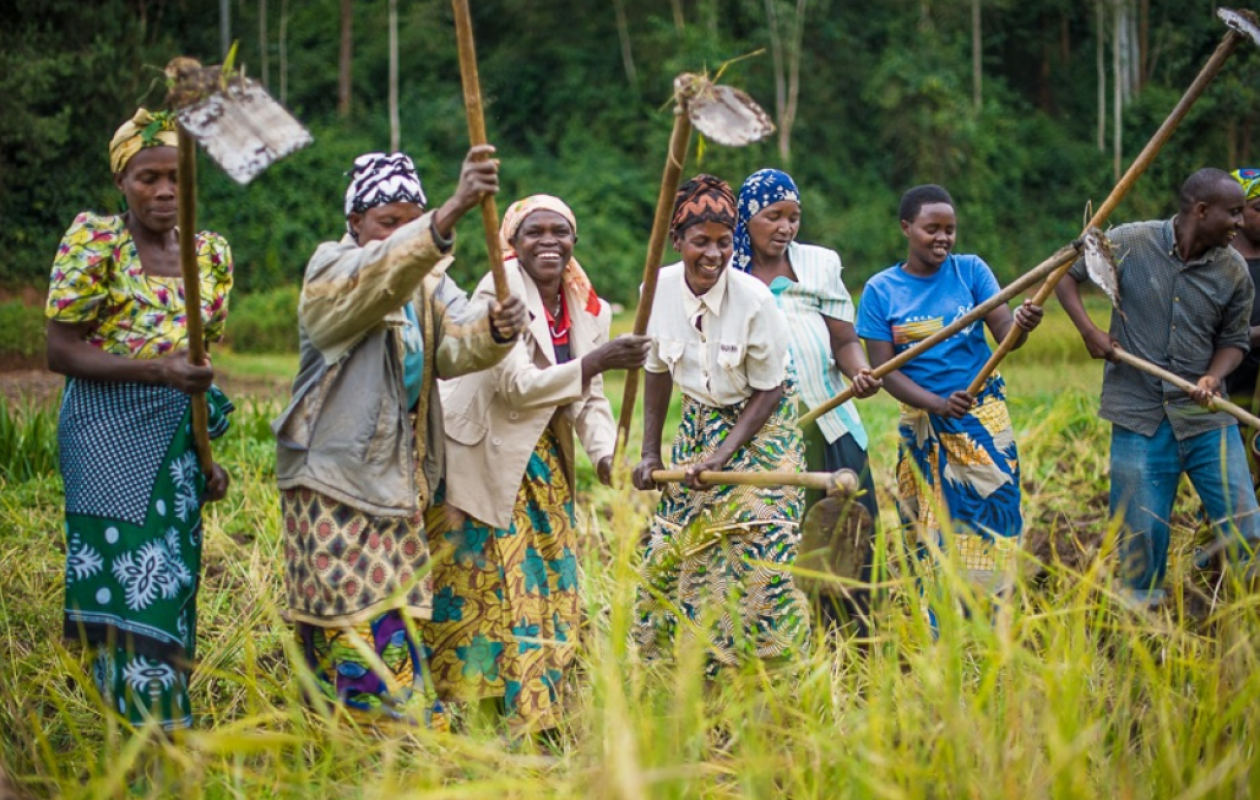
« 14 heures de travail gratuit par jour » : Le cri du cœur de Seynabou Pouye pour les femmes rurales
The care economy and the invisible work of women were at the heart of a high-level panel bringing together civil society and public authorities in Dakar. Organized by the association Femmes Africaines Actives pour le Développement (FADEV), this meeting opened a necessary discussion on the recognition of domestic activities, pillars of society but absent from official statistics.
For Seynabou Pouye, president of FADEV, the urgent task is to shed light on these activities that underpin the country's social and economic structure. She presented striking figures to illustrate this disproportionate workload.
“In rural areas, some women can spend up to 14 hours a day on unpaid work, while in urban areas, they spend an average of four to five hours a day on unpaid domestic and family tasks,” she revealed. For the president of FADEV, the conclusion is clear: “Without women and the work they do every day in their households, society could not function.”
The blind spot of Gross Domestic Product (GDP)
The major challenge remains integrating this work into national wealth indicators. Currently, meal preparation, household maintenance, and childcare for the elderly are not included in GDP.
This statistical invisibility makes it impossible to measure the real impact of the care economy on national growth. The panelists therefore argued for in-depth studies to quantify this contribution and to guide public policies towards reducing the arduousness of women's work.
Towards a framework law on empowerment
The state, represented by Dima Aby Sane, head of the women's organizations division at the Ministry of Family, acknowledged this statistical gap. However, she announced major legislative advances.
According to her, a future framework law on women's economic empowerment is currently being drafted. This text, accompanied by a draft implementing decree, should include concrete provisions to address the challenges of the care economy. For advocates of this cause, this recognition is the essential lever for establishing genuine economic justice and strengthening gender equality.








![[Édition Spéciale] Tout Sur la Composition du Nouveau Gouvernement](https://image.seneweb.com/content/news/2026-23-01//thumb_1260x800_6a1ddca812d4e_URisx1rdt4.jpg)










Commentaires (0)
Participer à la Discussion
Règles de la communauté :
💡 Astuce : Utilisez des emojis depuis votre téléphone ou le module emoji ci-dessous. Cliquez sur GIF pour ajouter un GIF animé. Collez un lien X/Twitter, TikTok ou Instagram pour l'afficher automatiquement.