Baisse de niveau dans les disciplines scientifiques : L'ASEJ veut initier le système éducatif japonais à Ziguinchor
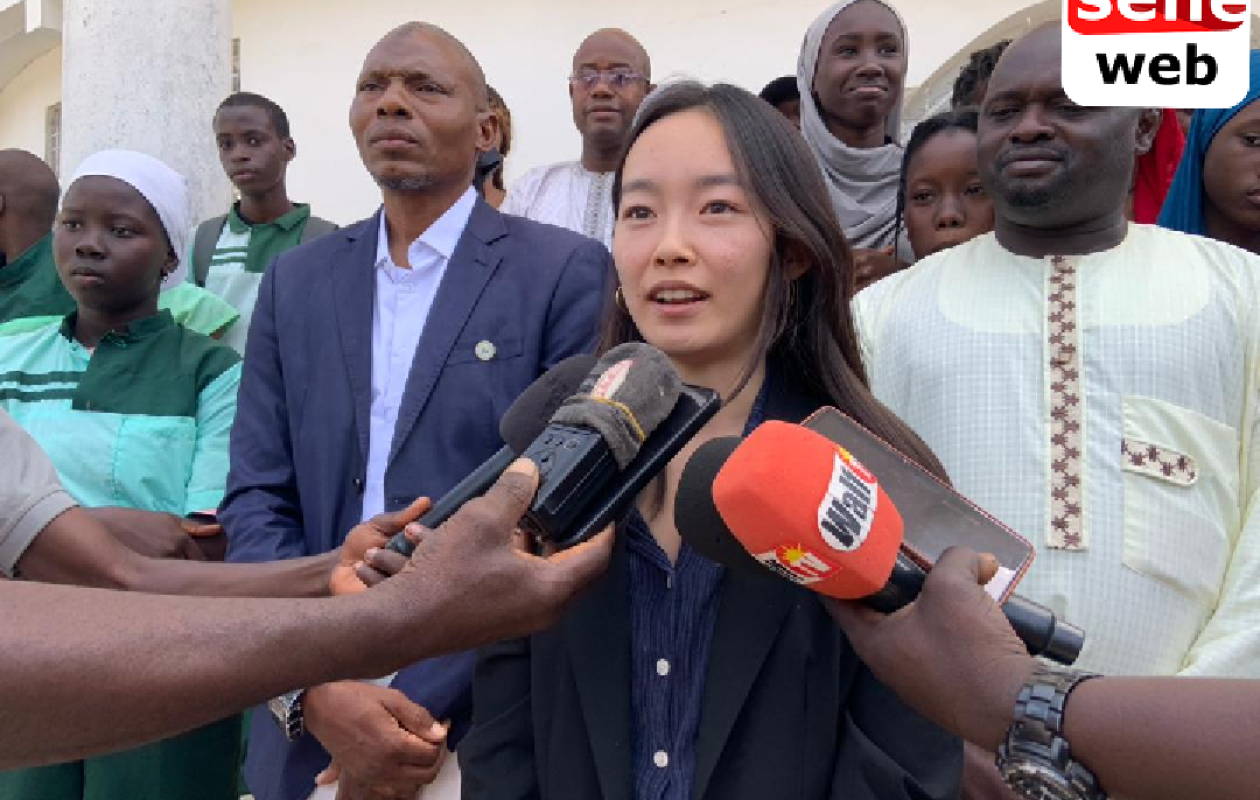
Faced with the observed decline in students' academic performance in scientific disciplines, the Association of Former Trainees and Students from Senegal in Japan (ASEJ) has taken action. With the support of the Japanese Cooperation Agency (JICA), ASEJ aims to share the educational system of the Land of the Rising Sun.
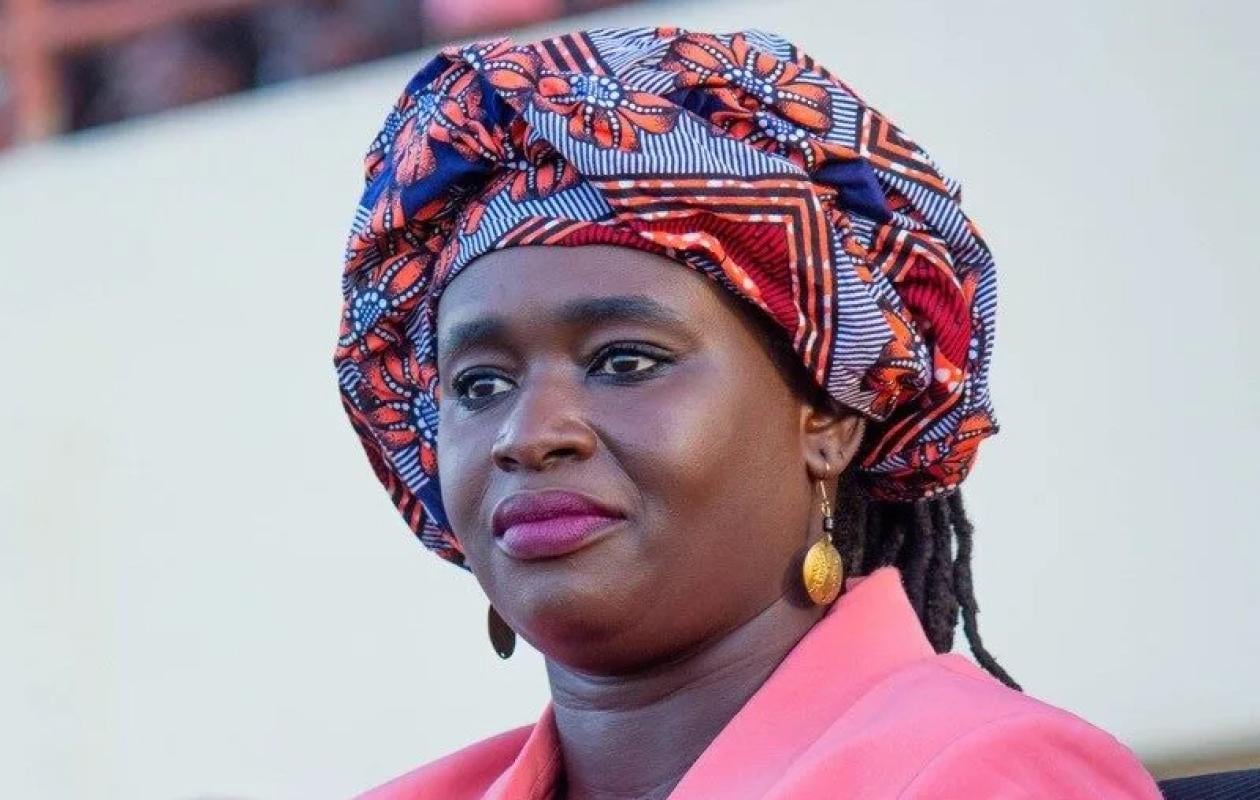
"Japan is renowned for its educational system, especially in the fields of science and technology. Upon returning to our country after our training in Japan, it is important to share our skills and knowledge to promote science in Senegal," said Mamadou Alioune Coulibaly, President of the Association of Former Senegalese Trainees in Japan.
According to Mamadou Alioune Coulibaly, science is almost the privileged domain of the Japanese education system. And the community's involvement in the education system is what gives Japan its reputation. "The community is the very foundation of the education system. That's why today we're going to show the role of parents in improving children's academic performance."
Masuda Junko, resident representative of the Japan International Cooperation Agency (JICA) in Senegal, welcomed the initiative. She noted that her country collaborates extensively with Senegal to strengthen human resources. "We have emphasized human resource development to help the country grow, and that's why we focus on this theme in our cooperation with Senegal. I am very pleased to see this activity organized by ASEJ, which aims to share the knowledge that former trainees acquired in Japan with the people here in Ziguinchor to strengthen education in Senegal."
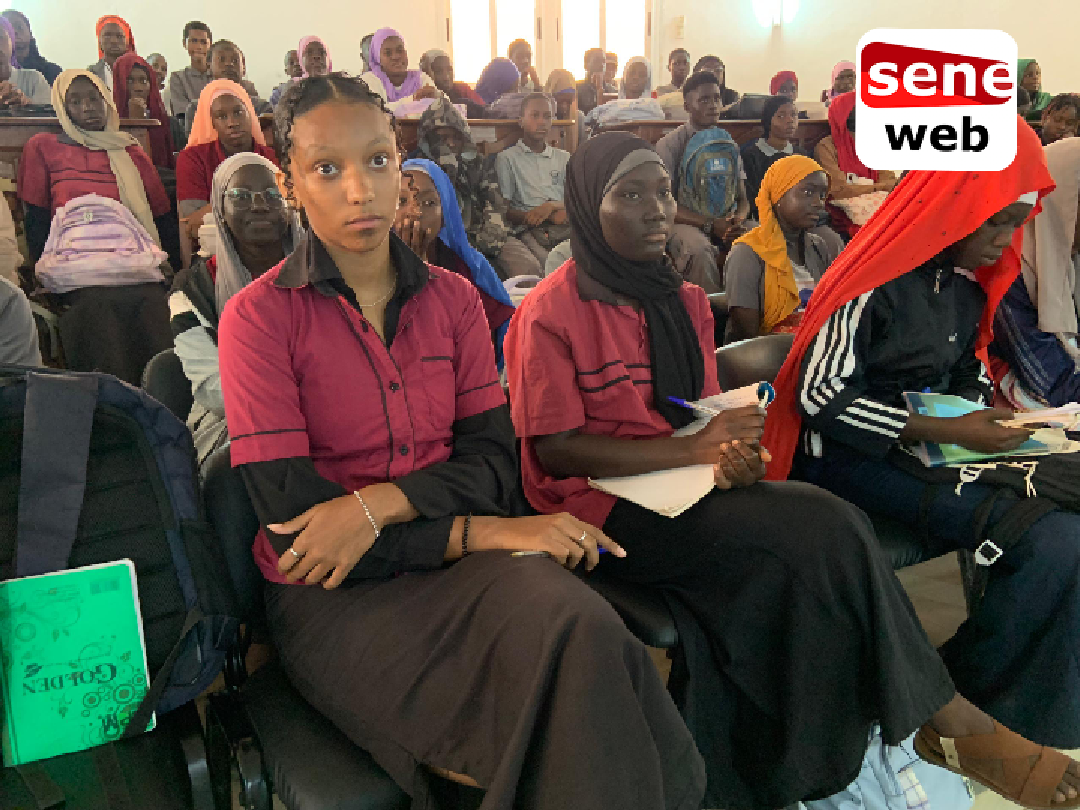
For their part, the academic authorities plan to produce practical sequences with learners and conduct activities in disciplines such as mathematics, life and earth sciences and physical sciences, in cooperation with the southern branch of ASEJ.
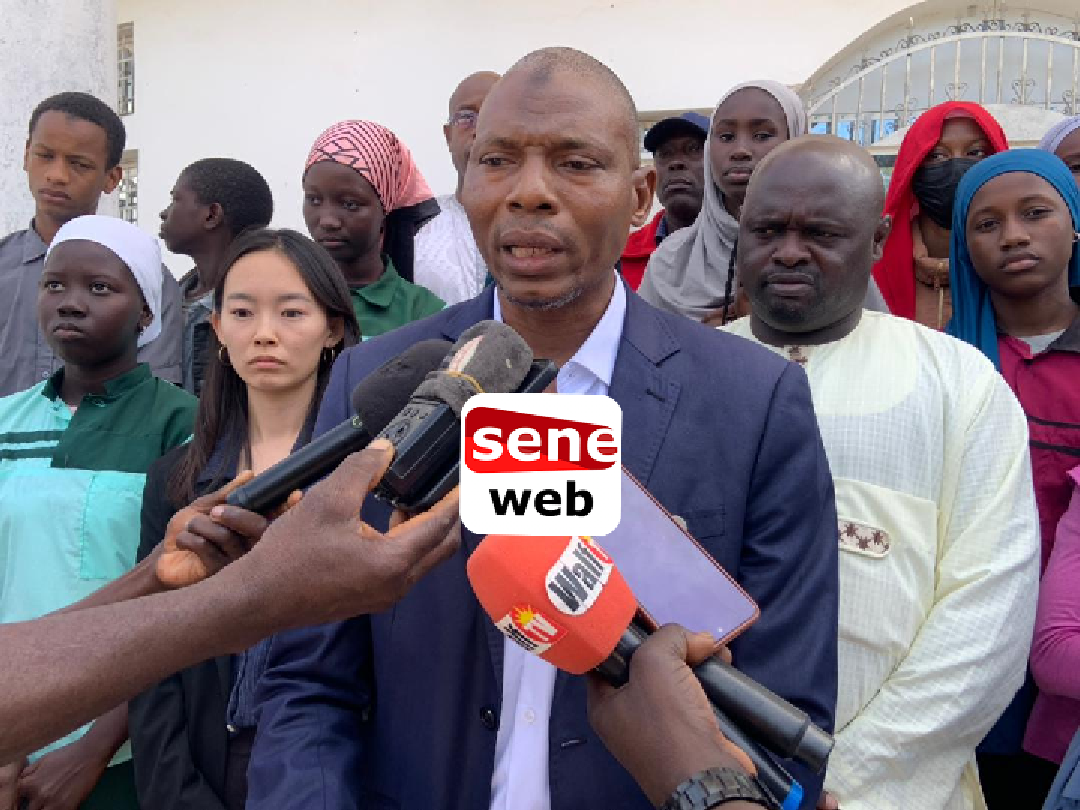
This is how students from different colleges in the municipality were chosen, according to Inspector Ibrahima Diémé, the representative of the IA.



















Commentaires (11)
Actuellement, avec uniquement ce que l'élève apprend à l'école, il ne rien faire lui même. Les parents sont obligés de se transformer en répétiteur le soir pour leur apprendre à lire avec la méthode traditionnelle et résoudre leur exercices de mathématique écrit dans un français qu'un élève que sait pas lire correctement ne peut pas comprendre.
Vous ne voulez plus du système hérité de la France, soit, on peut le comprendre et l’admettre. Vous n’allez tout de même pas faire le tour du monde pour en importer d’autres comme s’il n’y avait pas des sénégalais capables de réfléchir pour proposer quelque chose qui nous ressemble, nous convient et répond à nos besoins spécifiques. Ce que l’on ne nous dit pas, c’est que le système japonais génère des catastrophes au niveau de la santé mentale des jeunes, avec un taux de suicides inquiétant. Vous voulez bourrer le crâne des jeunes sénégalais pour en faire des cracks dépressifs et suicidaires ? Alors en avant marche, adoptez ce système sans même vous poser la question de son adéquation avec nos besoins spécifiques. Faites comme d’habitude, copiez puis collez pour que cinquante ans après on se dise encore « merde, on a foiré ». Dans le monde entier, il y a des sénégalais compétents, spécialistes de l’école, capables de contribuer. Faites un appel à candidature et vous verrez.
https://www.humanium.org/fr/les-luttes-cachees-la-surprenante-crise-de-sante-mentale-parmi-les-jeunes-japonais/
Nous avons la culture de la paresse où l'enfant est considéré comme une machine à exploiter.
J'en veux pas!
Participer à la Discussion
Règles de la communauté :
💡 Astuce : Utilisez des emojis depuis votre téléphone ou le module emoji ci-dessous. Cliquez sur GIF pour ajouter un GIF animé. Collez un lien X/Twitter, TikTok ou Instagram pour l'afficher automatiquement.