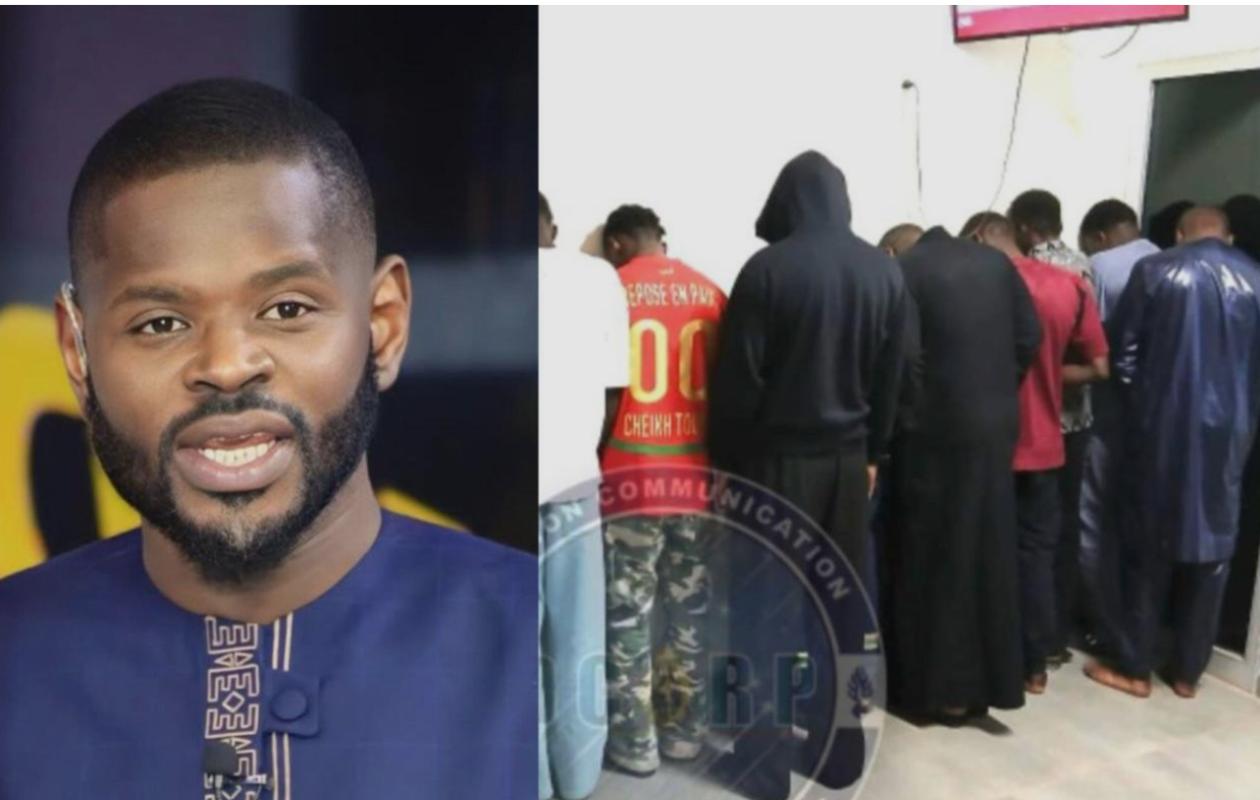
Divulgation de statut sérologique dans l’affaire Pape Cheikh Diallo : Dr Khoudia Sow pointe un vice de procédure
The social climate has been tense in recent days. Between the arrests of media figures and political posturing, the issue of homosexuality is at the heart of the public debate, fueled by the Pape Cheikh Diallo case and its dramatic twists and turns. Faced with this case of alleged intentional HIV transmission, where the preservation of public health, legal considerations, and moral issues collide, the boundaries of medical confidentiality are crumbling.
Analyzing this case that has gripped all of Senegalese society, Dr. Khoudia Sow offers a clear-eyed assessment. A guest on the "Objection" program this Sunday on Sud FM, the sociologist, physician, and medical researcher immediately points to a procedural flaw in the investigation conducted by the Keur Massar Research Brigade. Furthermore, she denounces a violation of the law through the disclosure of the serological status of those implicated.
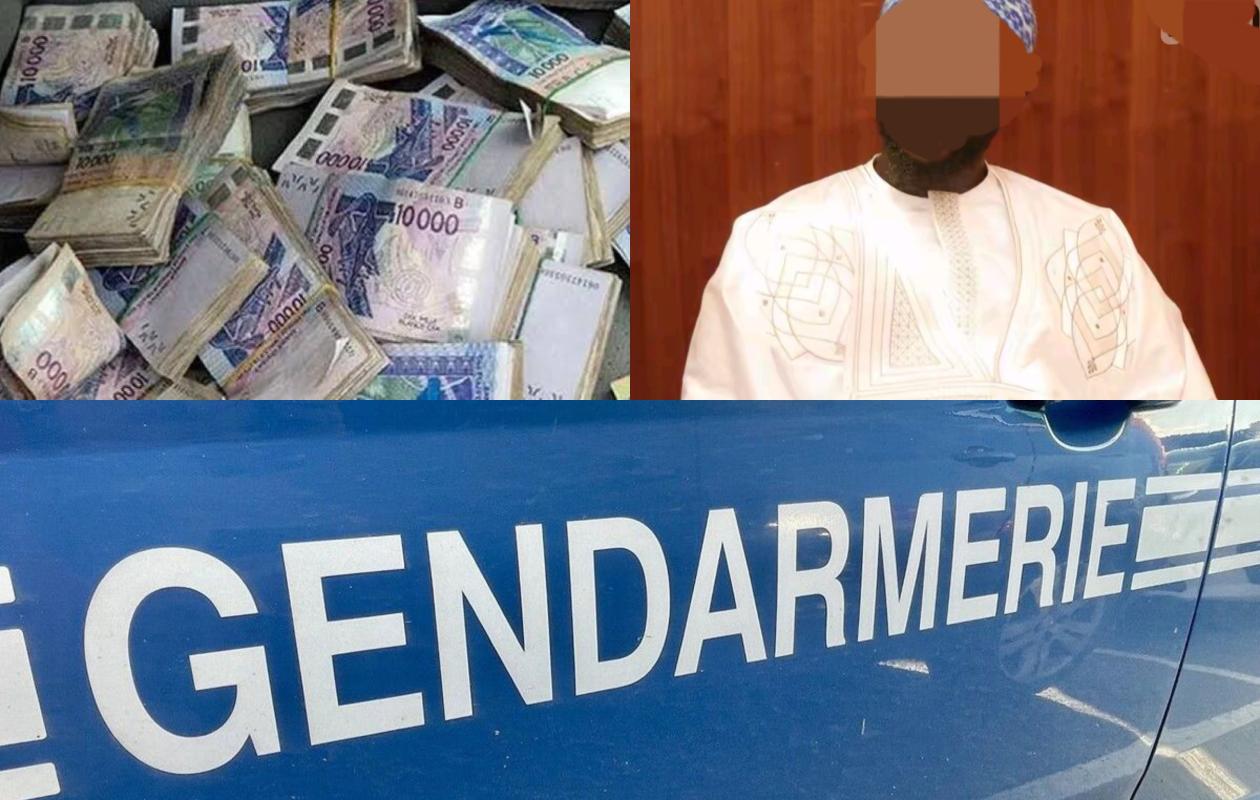
“We saw in a press release (from the gendarmerie, Ed.) picked up by the media, the names of people along with their serological status. However, the law protects the disclosure of a person's serological status. First, testing is voluntary and requires informed consent. It is only with a warrant from the public prosecutor that a person can be tested without their consent. And of course, this must be done after an investigation. It seems to us that none of this has been done,” she points out. “A person's serological status is strictly confidential,” she firmly reiterates.
According to the sociologist, Senegal is currently the scene of a confrontation between two opposing camps: those who advocate extreme repression, meaning those who want radical criminalization driven by strong social demand, and on the other side, a minority of young homosexuals who, through certain signs or behaviors, wish to make their difference visible.
Between these two extremes, the authorities appear to have yielded to "socio-political pressure," which led to the announcement of a draft law on penalties for perpetrators of unnatural acts. According to the doctor, this pressure is severely jeopardizing the significant progress made by those working to combat AIDS in Senegal.
“In our society, for some time now, questions about homosexuality have been the subject of political issues. All candidates have practically been forced to take a position on this issue. There has been very strong political pressure exerted on public authorities and at one point a form of social demand emanating sometimes from authorities of all stripes, including some religious authorities, which has led the authorities to take a somewhat more radical approach,” she analyzes.
“Borom gnary tour”, an ancestral Senegalese reality
In response to the narrative that homosexuality is a recent imported phenomenon, Dr. Khoudia Sow presents a historical reality. She points out that in every society, a minority (estimated at between 0.5% and 1%) is born with a "difference." To illustrate her point, she cites the Wolof expression "borom gnary tour," which, according to her, demonstrates that "gender confusion" has always existed and was long recognized, well before the public debate on homosexuality became radicalized under the influence of the current political agenda.
According to him, by breaking medical confidentiality and stigmatizing populations carrying the virus, the risk is that the latter will flee healthcare facilities, thus jeopardizing decades of the fight against HIV.






![[EXCLUSIF] Actes contre nature : La liste des partenaires de Djiby Dramé s'allonge, un agent administratif dans le lot](https://image.seneweb.com/content/news/2026-17-21//thumb_1260x800_69e7e7b15f20f_Bsyic2E1jn.jpg)









Commentaires (6)
Participer à la Discussion
Règles de la communauté :
💡 Astuce : Utilisez des emojis depuis votre téléphone ou le module emoji ci-dessous. Cliquez sur GIF pour ajouter un GIF animé. Collez un lien X/Twitter, TikTok ou Instagram pour l'afficher automatiquement.