Eau, assainissement et hygiène à Kaffrine : défis quotidiens pour la population du Ndoucoumane
With a drinking water access rate approaching 96%, the Kaffrine region might appear to be a model for rural areas. Yet, behind this statistical achievement lie aging boreholes, leaky networks, virtually nonexistent sanitation, and major health challenges. This investigation takes us to the heart of a region where water, hygiene, and human dignity remain daily struggles.
A central region with structural weaknesses
Located in central Senegal, the Kaffrine region, established in 2008, covers more than 11,000 km². It comprises four departments: Kaffrine, Birkelane, Koungheul, and Malem Hodar. Predominantly rural, its economy relies mainly on agriculture, livestock farming, and market gardening—activities directly dependent on water and sanitation. “Despite operational challenges, access to drinking water is generally satisfactory,” states Maodo Malick Youm, head of the Kaffrine Regional Water and Sanitation Service. According to his department, “the rate of improved access to drinking water is 96%.”
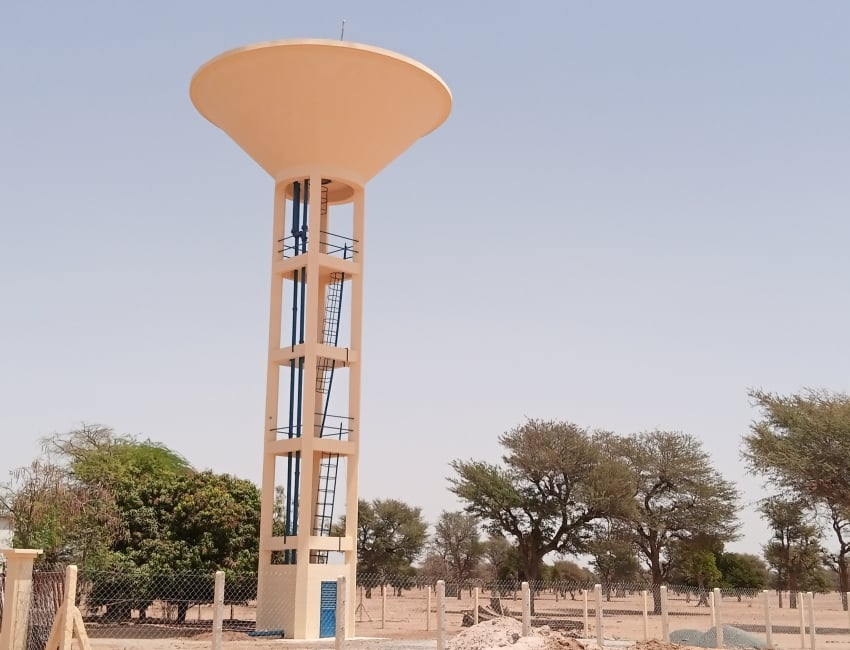
Since 2014, dozens of water supply systems have been implemented through projects and programs such as the PUDC, funded by the Saudi Fund, and the PSEA, significantly improving the living conditions of rural populations. However, this regional average masks persistent territorial disparities. Water remains a luxury for some. In Kahi, Segré, Keur Mbouki, Lour Escale, Diokoul Mbelbouck, Birkelane, Ida Mouride, Pété, Niahène, Sam Ngueyenne, and Douba, localities in the area, access to drinking water remains problematic. "These difficulties are linked to operational problems with several boreholes, insufficient electrification, a lack of fuel for generators, and outdated pumping equipment," explains Maoudo Malick Youm. He also highlights "the low production capacity of some boreholes and the pressure exerted by market gardening in certain areas."
Drilling facilities out of service, limited resources
The most frequent breakdowns involve "pumps, generators, discharge pipes, and power outages." Faced with these situations, "the regional water department mobilizes its intervention teams for boreholes managed by ASUFOR and provides technical support for those managed by the operator FLEX Eau." But resources are lacking. "Our intervention equipment is in very poor condition," acknowledges the head of the department, who is calling for "increased human and financial resources, as well as the provision of appropriate equipment, including a crane truck, a field vehicle, a compressor, and diagnostic equipment."
FLEX Water: Ensuring continuity despite strained networks
Since the 2019 rural water system reform, approximately 90% of rural boreholes are managed by the concessionaire FLEX Eau. "The public service delegation is based on a ten-year lease agreement, which began in 2019," explains Abdou Aziz Diagne, FLEX Eau's operations manager in Kaffrine. "Today, around 207 boreholes are managed in the department." He adds that "the government had committed to upgrading the electromechanical equipment before operations began, which unfortunately hasn't been done." In response, "FLEX Eau invested its own funds by stockpiling hundreds of pumps, enabling it to resolve breakdowns within 24 to 48 hours."
However, the major problem remains the network. "Between 40 and 50% of the water produced is lost due to the age of the pipes," he warns. "This causes pressure drops, outages, and even risks of water contamination."
Sanitation: Kaffrine's major delay
While access to drinking water is improving, sanitation is lagging alarmingly behind. Kaffrine is one of three regions in Senegal where "the rate of access to improved toilets in rural areas is less than 30%." The figures cite 25.12% in rural areas and 41.38% in urban areas. "The region currently has no wastewater treatment system," laments Maoudo Malick Youm. Facilities are limited to "TCM pits, ventilated or traditional toilets, without a sewer network."
Another worrying problem is the lack of a functional sludge treatment plant and designated dumping sites. Septic tanker trucks still dump their loads in the environment, exposing the population to serious health risks. According to data, every rainy season, neighborhoods like Diamaguène, Cité Millionnaire, Kaffrine 2, and Keur Mboucki are regularly flooded. A pumping system capable of 2,000 cubic meters per hour and four retention basins exist, but they remain insufficient to address the scale of the problem.
Between 2023 and 2025, "17 public water fountains were built" in schools, mosques, Koranic schools (daaras), and stadiums, particularly in the municipalities of Kahi, Ndiognick, Segré, and Diamal. Civil society, through consumer protection organizations, is closely monitoring drinking water management in the Kaffrine region. For Dame Seck, regional coordinator of SOS Consommateurs, the water issue goes beyond the mere availability of boreholes. "FLEX Eau must improve the quantity and quality of water, but also ensure proper management of the service," he stated.
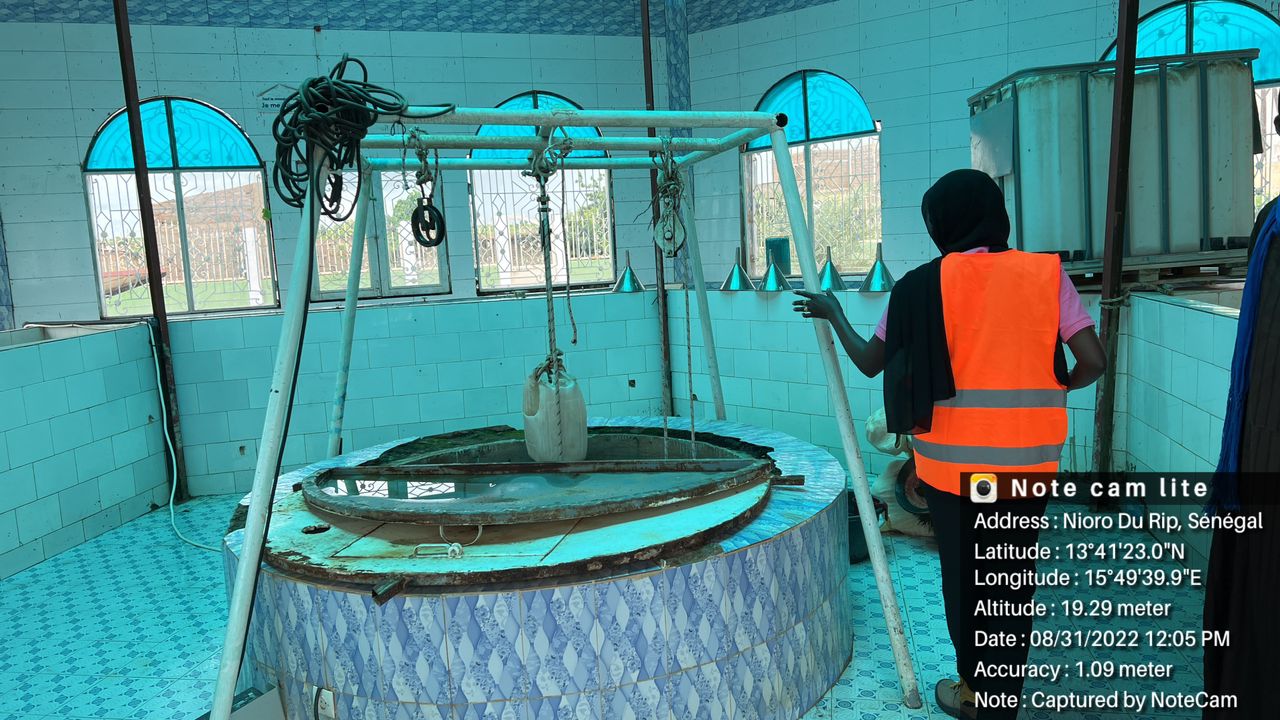
According to him, despite the efforts made, "numerous complaints continue to be raised by residents, particularly regarding pressure drops, repeated outages, and sometimes the quality of the distributed water." He believes that access to drinking water "should not only be measured by coverage rates, but also by continuity of service, water quality, and transparency in management." For SOS Consommateurs, "users have the right to sufficient, safe, and accessible drinking water, in accordance with regulations and the State's commitments."
The regional coordinator is therefore calling for "ongoing dialogue between the concession holder, state technical services, local authorities, and consumer representatives" in order to "prevent tensions and strengthen public trust." He also emphasizes the need to "better inform users about technical constraints, investment programs, and complaint mechanisms," stressing that "good water governance also involves listening to and respecting consumers."
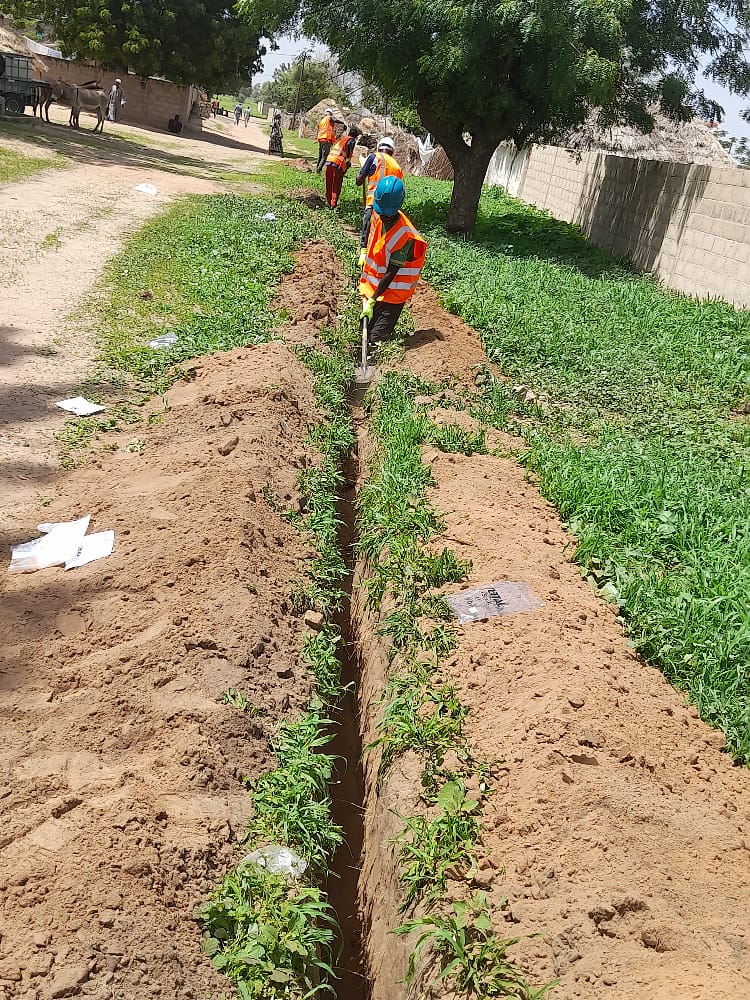
In Kahi, the problem isn't so much the lack of water as its quality. In this town, many residents claim to have tap water, but refuse to drink it. "In Kahi, water is certainly available, but the quality is poor. The water is undrinkable. We are forced to turn to other alternatives," testifies El Hadji Diané, a resident we met there. According to him, the distributed water has "an unusual color and taste," causing mistrust and concern among households. "We can't give this water to children. To drink it, we buy water or go get it elsewhere," he adds.
This situation forces many families to adopt a variety of strategies: buying water from vendors, using traditional wells, or obtaining supplies from neighboring villages. This places an additional burden, particularly on women, who are already on the front lines of daily water management. In Kaffrine, flooding remains a painful reality for many residents, despite sanitation efforts.
“Flooding is still a problem, even though we acknowledge the sanitation efforts through stormwater drainage works and retention basins,” says El Hadji, a resident of the Diamaguène Centre neighborhood in the municipality of Kaffrine. Every rainy season, the anxiety resurfaces. “When it rains, we don’t get enough sleep. All night long, we watch the water level, afraid it will flood our homes,” he confides. According to the residents, the existing infrastructure, while helpful, remains insufficient to cope with the intensity of the rainfall.
“Just a few hours of heavy rain are enough to flood some properties,” explains El Hadji, calling for a strengthening of the system and better preparedness. In working-class neighborhoods as well as remote villages, hygiene remains one of the weakest links in the public health chain. For Captain Ousmane Ndionne, head of the Kaffrine Regional Hygiene Service, “the overall hygiene situation remains worrying and still presents major challenges.” He emphasizes that “hygiene is not limited to healthcare coverage alone, but is strongly linked to education and raising awareness among the population.”
On the ground, the difficulties are evident. “The low number of latrines, poor waste management, and inadequate sanitation infrastructure contribute to the persistence of disease,” he explains. In some areas, the lack of basic services directly exposes populations to health risks. The consequences are severe, especially for the most vulnerable. “Diarrheal diseases, parasitic infections, and waterborne diseases linked to contaminated water are the most frequent,” emphasizes the head of the hygiene department. “They particularly affect children, with risks of malnutrition and stunted growth in those under five.”
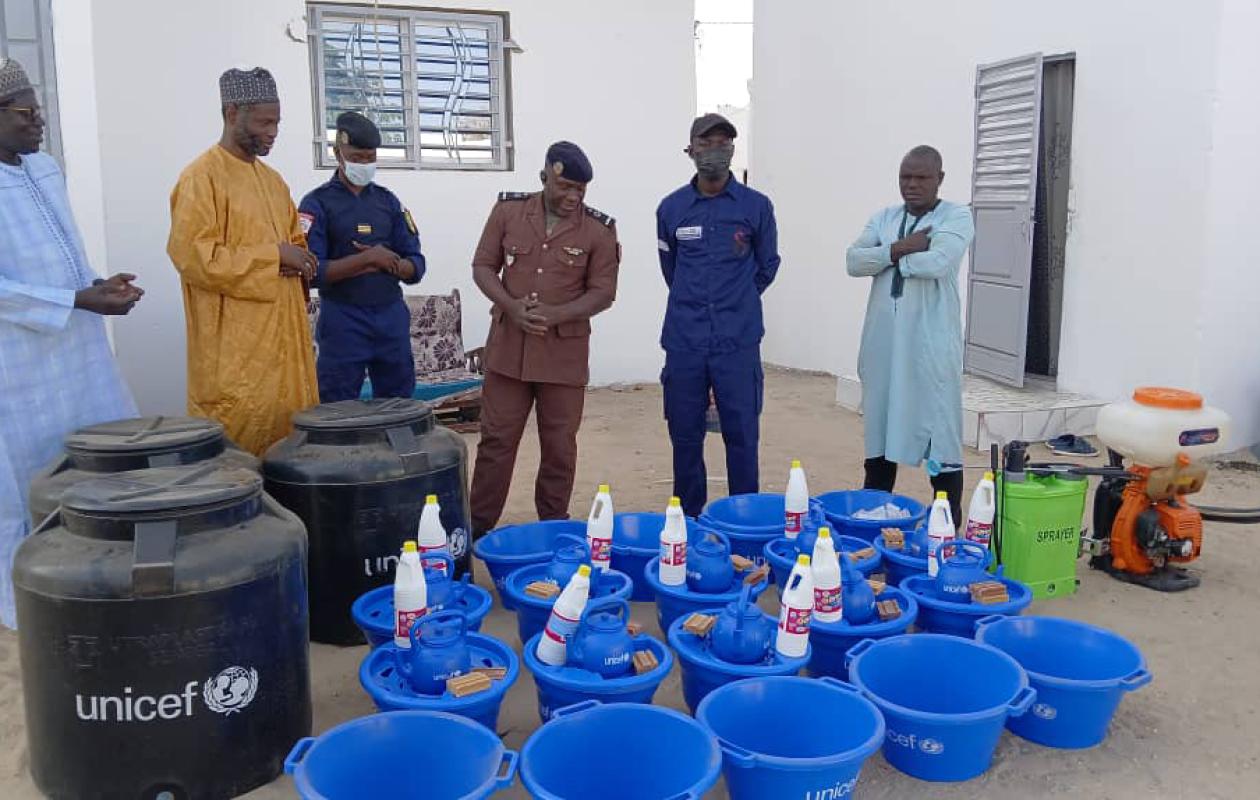
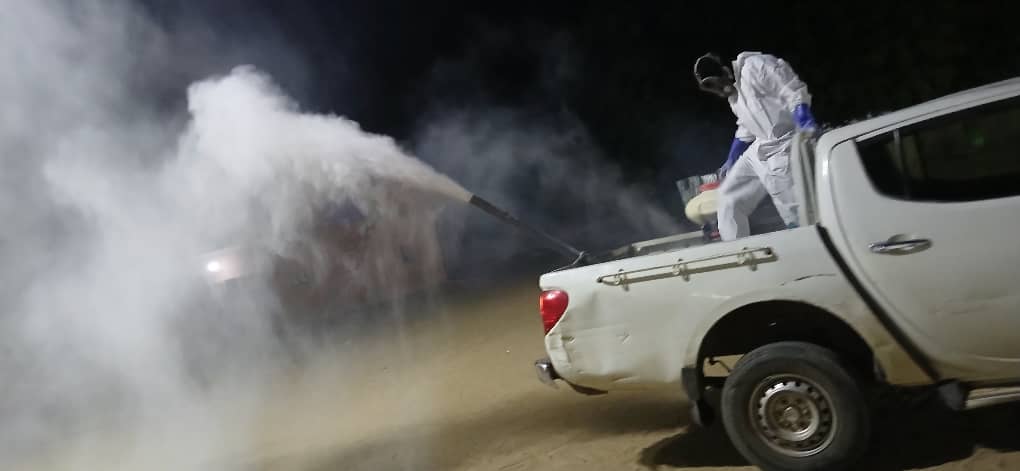
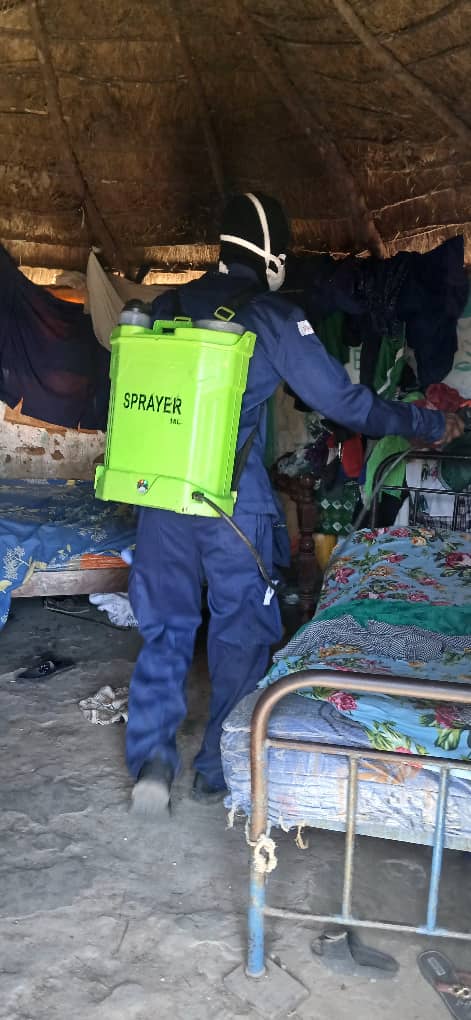
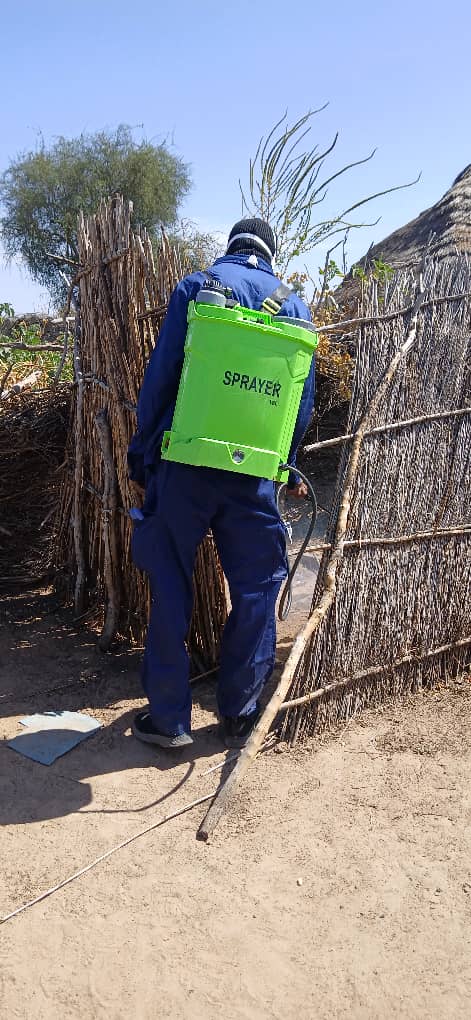
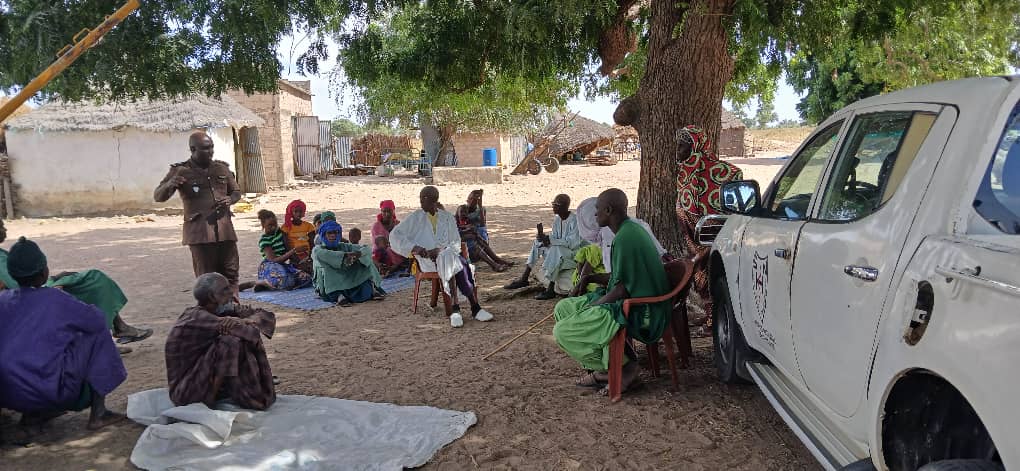
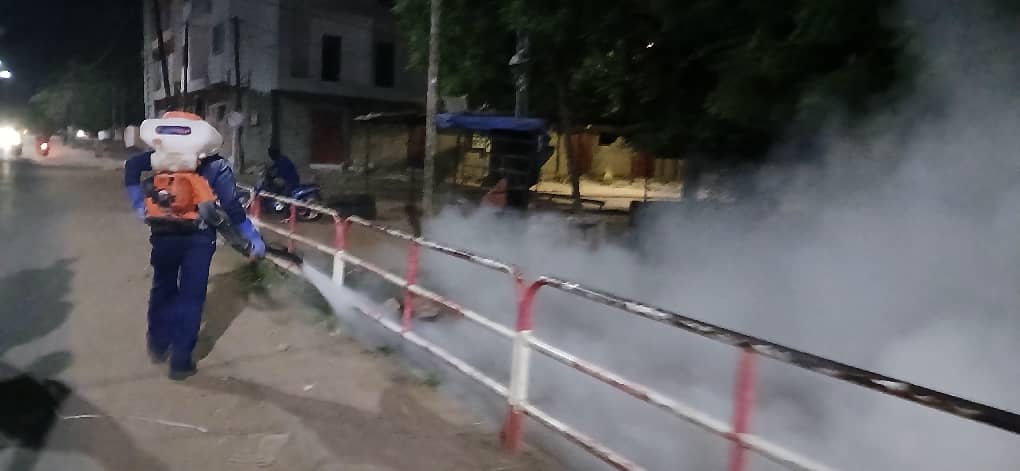
Faced with this situation, the hygiene department is ramping up its efforts: raising awareness about best practices, promoting the proper use of latrines, vector control, monitoring drinking water quality, ensuring food safety, as well as conducting community talks, home visits, and training in Community-Led Total Sanitation (CLTS). However, resources remain limited. "Collaboration with other stakeholders exists, but it remains insufficient," laments Captain Ndionne. He advocates for "increased human, material, and financial resources to allow the department to fully focus on its core missions."
Solid waste: SONAGED between technical support and civic responsibility
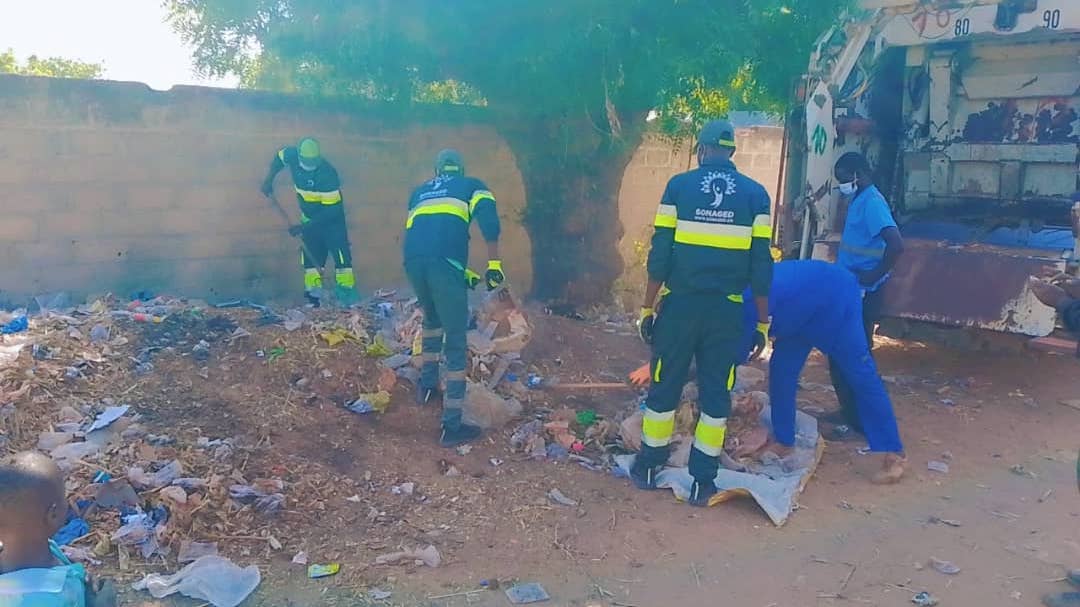
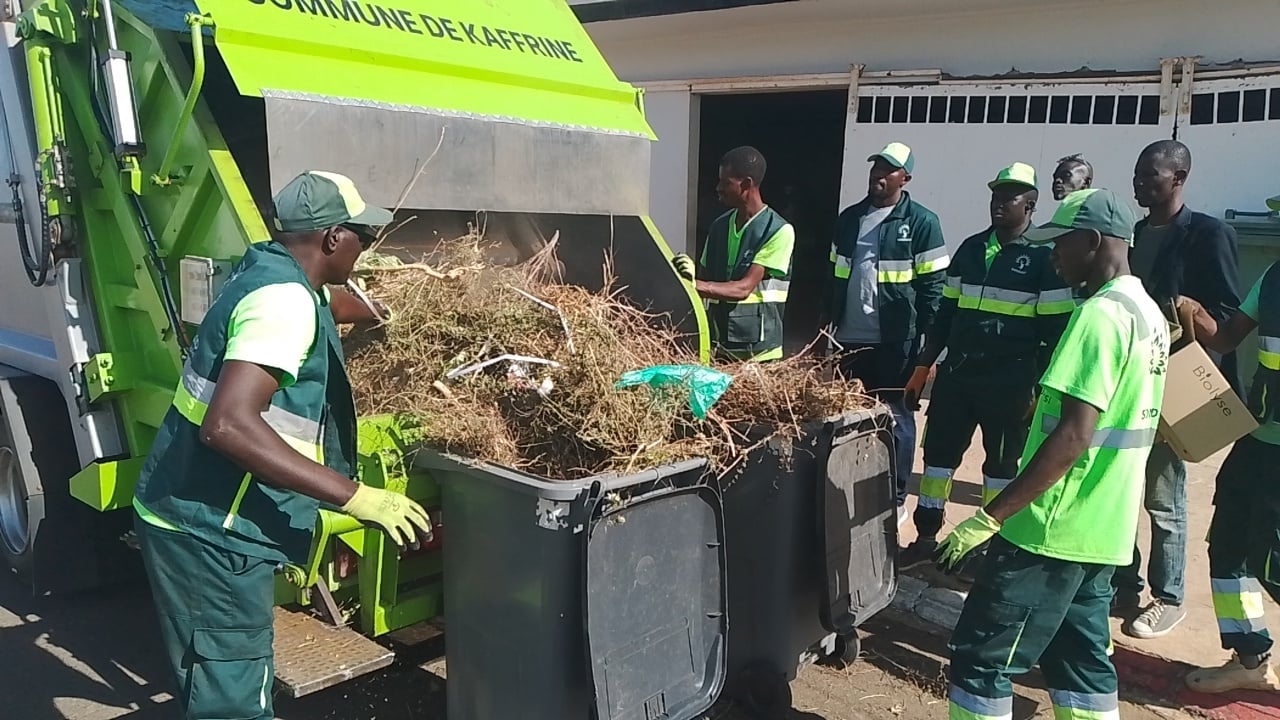
In the streets of Kaffrine, the change is noticeable. More regular sweeping, better organized collection, and an increased presence of teams in the field. For Moussa Ba, regional delegate of SONAGED, these advances are the result of a collective effort, but one that is still fragile. "Waste management is a responsibility transferred to local authorities, and it's a demanding task," he points out. "It requires strong coordination between stakeholders, because expectations are high and resources are sometimes limited." In this context, SONAGED primarily intervenes to support municipalities. "Our actions focus mainly on sweeping and waste collection," explains Moussa Ba. The teams are now structured at the departmental and municipal levels, with local managers, supervisors, and operational agents deployed in the field. He commends the commitment of certain local authorities, particularly the municipality of Kaffrine. "The mayor has invested in equipment and covered costs such as fuel and maintenance." “This is an example to follow,” he believes, calling on other municipalities to get more involved. But for the regional delegate of SONAGED, the key to success lies elsewhere. “The main player in successful waste management is the population,” he insists. “No system can function without the support of citizens.” Even though progress has been made, challenges remain, particularly illegal dumping in some unfenced areas. “This requires both greater awareness and stronger involvement from the relevant authorities,” he emphasizes. For Moussa Ba, waste management should no longer be seen as a secondary concern. “Municipalities must fully embrace this mission, because it is first and foremost about the well-being and health of the population.”
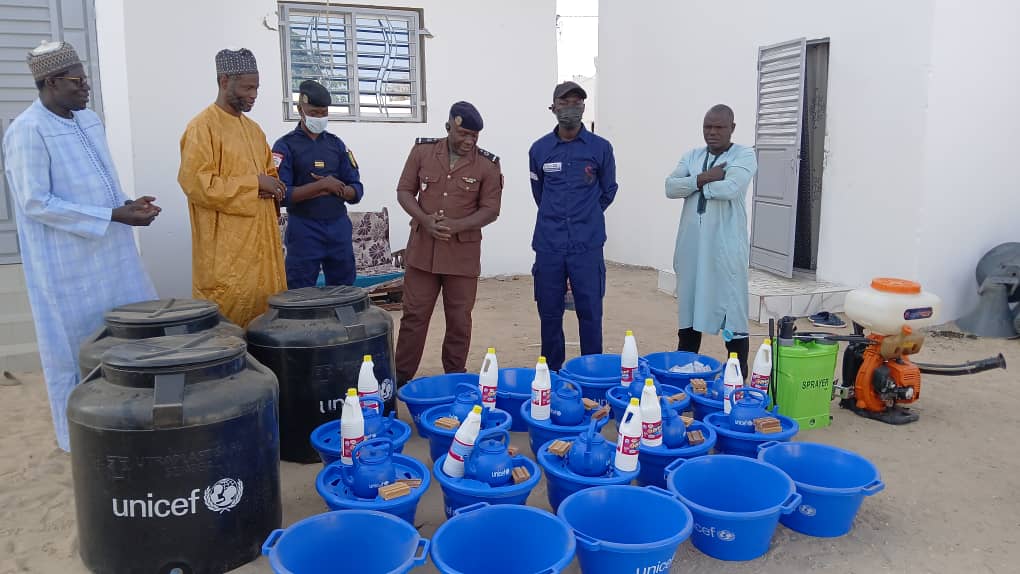
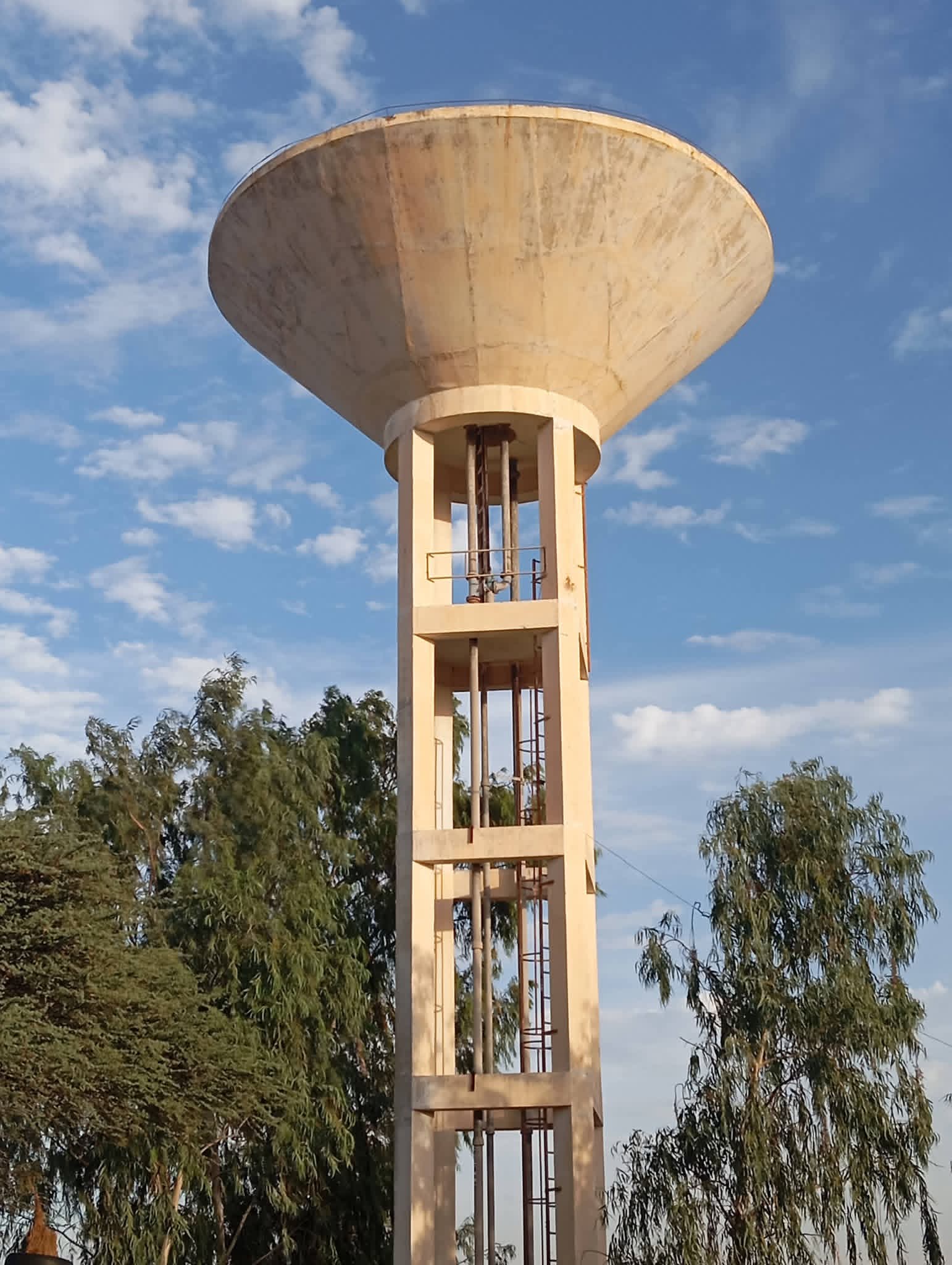
In Kaffrine, the population continues to adapt, often at the cost of heavy sacrifices. The announced projects – water transfer from Malem Hodar, network rehabilitation, sludge treatment plants – raise hopes. But on the ground, one expectation prevails: that water, sanitation, and hygiene cease to be distant promises and become a daily reality, lived with dignity.














Commentaires (0)
Participer à la Discussion
Règles de la communauté :
💡 Astuce : Utilisez des emojis depuis votre téléphone ou le module emoji ci-dessous. Cliquez sur GIF pour ajouter un GIF animé. Collez un lien X/Twitter, TikTok ou Instagram pour l'afficher automatiquement.