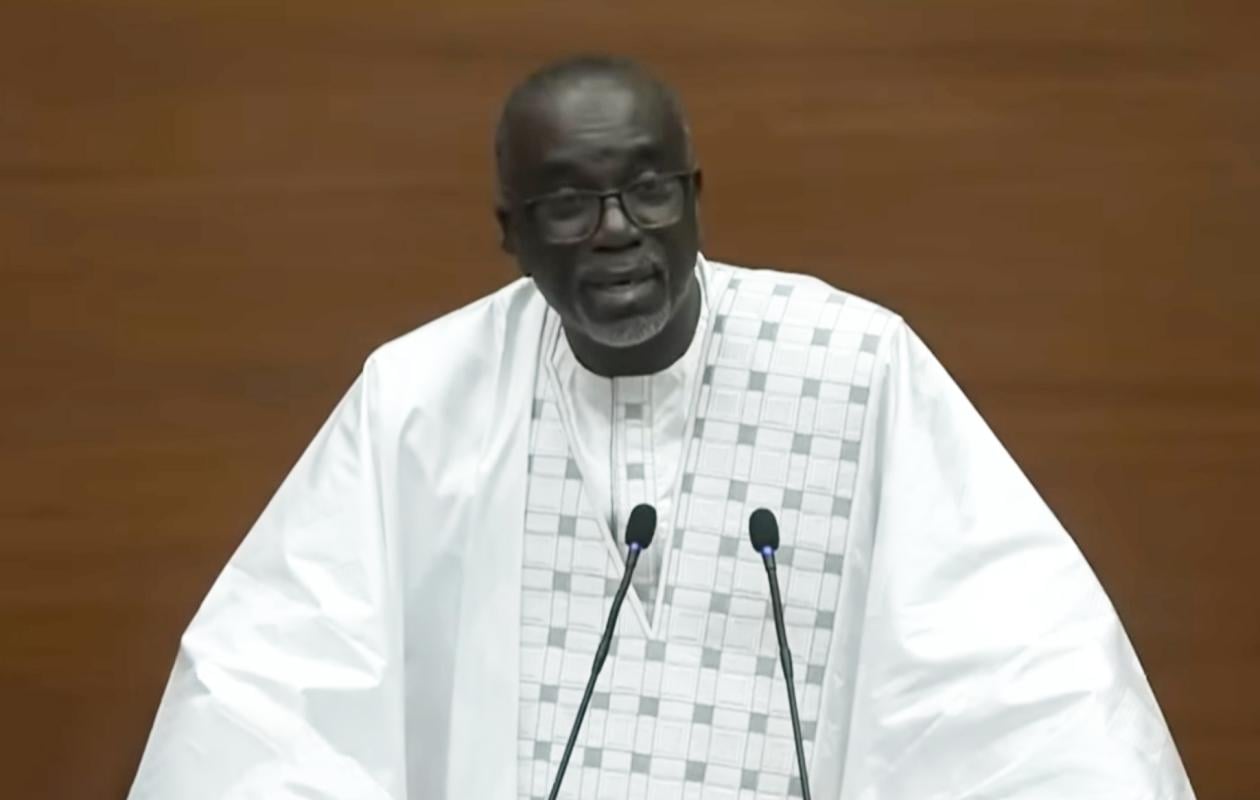
Emploi et la formation professionnelle : Moustapha Ndiack Sarré ambitionne de former 700 000 techniciens d’ici 2029
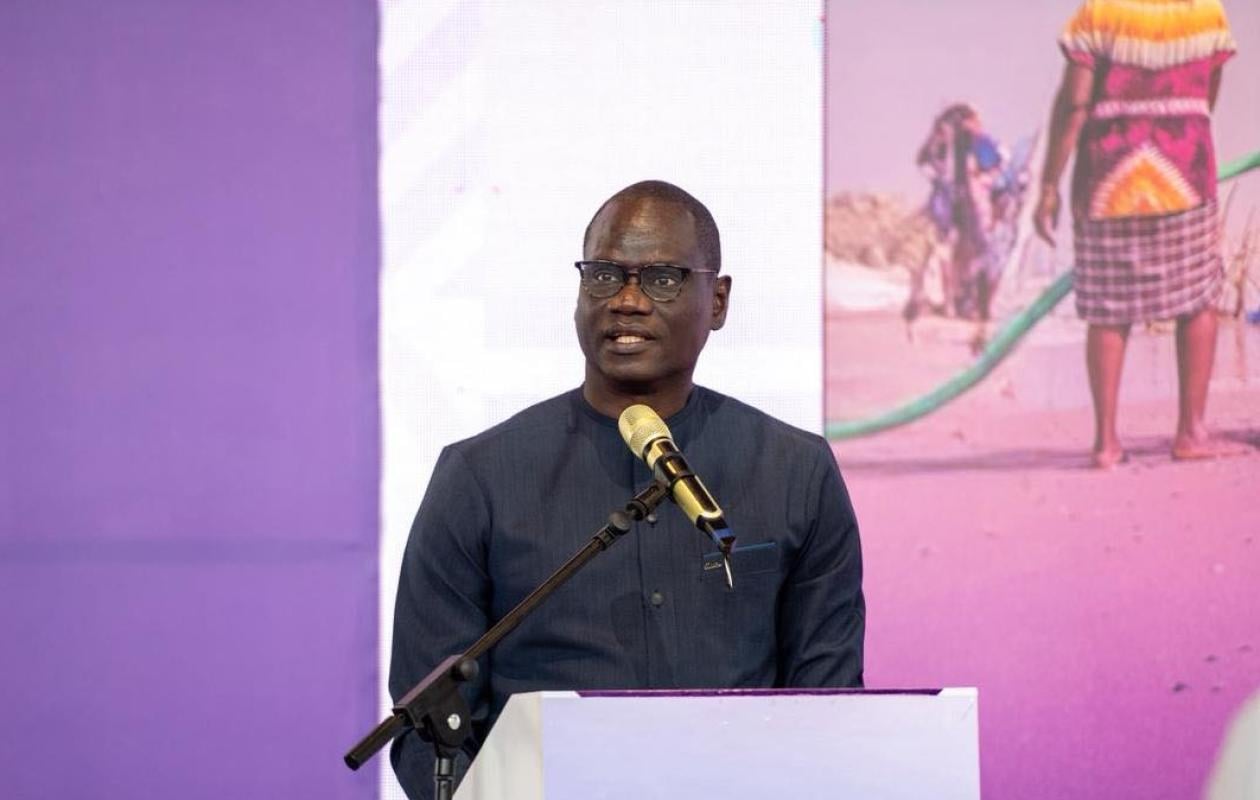
The Ministry of Employment, Vocational Training, and Technical Education presented a 2026 budget to the National Assembly, resolutely focused on Senegal's economic transformation. At the heart of this strategy is a major national objective: "to train 700,000 technicians by 2029, an unprecedented challenge that fully integrates the sector into the Senegal 2050 Vision." At least, that's according to Moustapha Ndieck Sarré.
According to him, “this ambition, initiated by President Bassirou Diomaye Diakhar Faye and implemented by Prime Minister Ousmane Sonko, aims to ensure a continuum between guidance, training, integration, and employment, in order to provide young people with the skills adapted to a rapidly changing economy.” In defending the budget, the ministry reaffirms its commitment to “making vocational training a pillar of economic sovereignty, capable of offering every young Senegalese person a solid qualification and a real opportunity for integration.”
The current situation is still fragile.
By 2025, Senegal will have 635 public and private vocational and technical training institutions, 128,231 trainees, 12,913 accredited workshops, and 573 apprentices enrolled in the revamped apprenticeship program. Despite this progress, significant challenges remain, according to the Minister. He cites "a 19% unemployment rate in the second quarter of 2025, low labor force participation (56.5% of those aged 15 and over are active), and a largely unskilled workforce, with only 10% possessing vocational training." To achieve the anticipated skills development, the Ministry estimates that "training capacity will need to quadruple within five years."
The major challenges to overcome
The ministry has identified several priority projects, outlining the challenges to be met. It states that the State intends to "expand the training offer in line with local economic needs, adapt qualifications to the expectations of businesses, strengthen employability, particularly for women and young people without qualifications, modernize infrastructure, involve the private sector more in the governance of training, implement an effective monitoring and evaluation system, and accelerate the digitalization of information and management systems."
Furthermore, the minister explained that the 2026 budget will allow for the completion or launch of several major projects. He stated that "23 vocational training centers will be built and equipped, 15 more centers will be established in the departments, and 6 agricultural, forestry, and livestock vocational high schools will be created." He also promised the strengthening of existing programs through the large-scale deployment of dual training and revamped apprenticeships, via the School-Business Program (PF2E), and the implementation of the National Training, Integration, and Employment Program.
The minister also promised the launch of the PACES project, dedicated to creating jobs for young people, the new National State-Employers Convention, the new National Employment Policy, the creation of the National Observatory for Employment and Training, and the deployment of the Daaray Workshops program in religious cities (Touba, Tivaouane, Kaolack, Medina Gounass, Ndiassane, Thiénaba, etc.). The 3FPT will continue to finance initial training, continuing professional development in companies, and job placement programs.

















Commentaires (6)
Les promesses n'engagent que ceux qu'y croient
Participer à la Discussion
Règles de la communauté :
💡 Astuce : Utilisez des emojis depuis votre téléphone ou le module emoji ci-dessous. Cliquez sur GIF pour ajouter un GIF animé. Collez un lien X/Twitter, TikTok ou Instagram pour l'afficher automatiquement.