
Emploi au Sénégal : Pourquoi le faible taux de chômage est un trompe-l'œil
The unemployment rate is one of the most closely watched economic indicators. It measures the proportion of people without jobs who are available and actively seeking work. However, in economies where informality is prevalent and subsistence employment is widespread, this indicator does not tell the whole story of the true situation.
In Senegal, data from national employment surveys show a relatively moderate unemployment rate compared to other countries. According to the latest harmonized surveys by the National Agency for Statistics and Demography (ANSD) and estimates from the International Labour Organization (ILO), unemployment in the strict sense is around 20% for young people, with an overall rate significantly lower. However, these figures coexist with a widespread perception of difficulties in entering the workforce.
The reason lies in the very definition of unemployment.
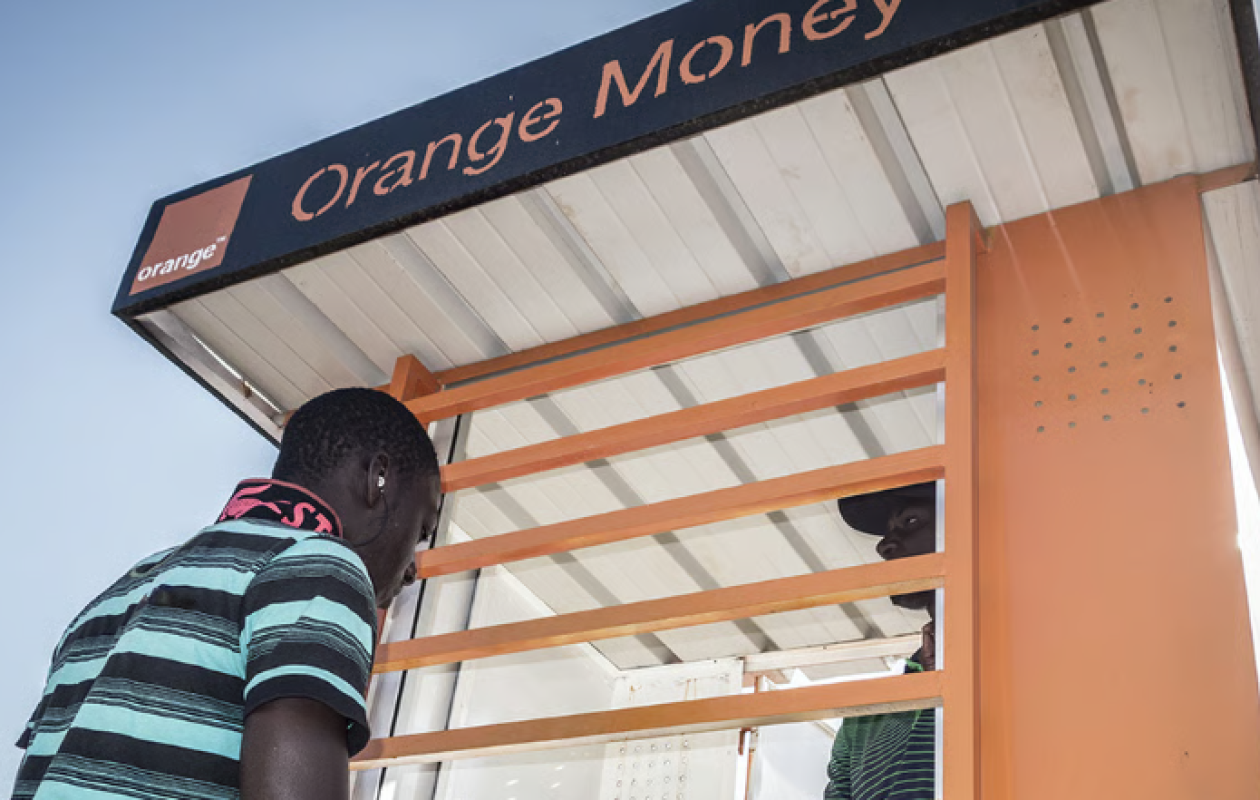
A person who engages in any activity, even low-paid and occasional, is considered employed. A street vendor, an informal driver, or a seasonal worker thus falls into the category of employed individuals. Similarly, those who have given up looking for work due to a lack of opportunities are not counted as unemployed in the strict sense.
Underemployment is another often overlooked dimension. It concerns people who work fewer hours than they would like or whose productivity is very low.
According to the International Labour Organization, the combined rate of unemployment and underemployment in sub-Saharan Africa far exceeds official unemployment figures. In several countries in the region, underemployment affects more than a quarter of the working-age population.
In Senegal, the informal economy represents the vast majority of productive units and absorbs most of the workforce. This reality helps prevent a surge in open unemployment, but it is accompanied by irregular incomes, a lack of social protection, and low human capital accumulation. Precariousness is not always expressed as a lack of activity, but rather as the precariousness of working conditions.
The gap between statistics and lived experience is therefore explained by the structure of the labor market. An economy where the majority of jobs are informal and low-productivity can have a moderate unemployment rate while experiencing a high level of job insecurity. Complementary indicators, such as the underemployment rate or the proportion of vulnerable jobs, provide a more accurate picture of the situation.
Interpreting the unemployment rate without taking these realities into account leads to an underestimation of the scale of the challenges. The central issue is not simply reducing measured unemployment, but improving the quality, stability, and productivity of jobs. Only then can statistics reflect a tangible improvement in living conditions.





















Commentaires (6)
Participer à la Discussion
Règles de la communauté :
💡 Astuce : Utilisez des emojis depuis votre téléphone ou le module emoji ci-dessous. Cliquez sur GIF pour ajouter un GIF animé. Collez un lien X/Twitter, TikTok ou Instagram pour l'afficher automatiquement.