
Titre foncier et droit d’occupation, les racines d’un désordre juridique persistant
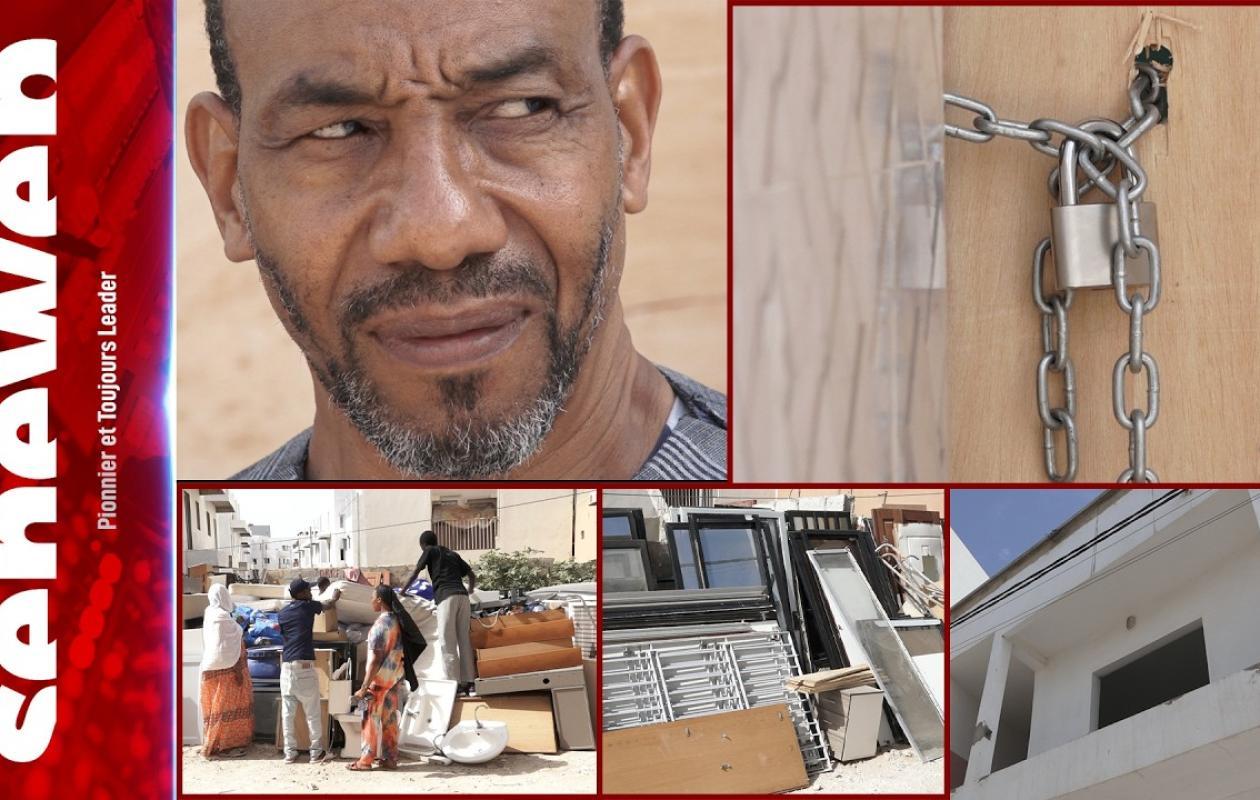
In Senegal, land ownership is governed by a complex web of rules inherited from colonial history, post-independence reforms, and customary practices. The coexistence of land titles, which confer full ownership rights, and occupancy rights derived from the national domain perpetuates persistent legal uncertainty. This ambiguity complicates access to property, slows investment projects, and fuels recurring land disputes in both urban and rural areas.
The 1964 law on the national domain placed most unregistered land under the responsibility of local authorities. Within this framework, local populations generally have a right of use or allocation, without formal land titles. In parallel, the registration system allows for the issuance of a title recorded in the land register, offering greater legal security and the possibility of mortgaging the property. However, these two systems coexist within the same territory, with often poorly defined boundaries.
This duality creates situations where land can be subject to administrative allocation, customary recognition, and a registration process initiated by a third party. Disputes then multiply in the courts. Judicial statistics indicate that land disputes are among the most frequent types of litigation in several jurisdictions across the country. In the peri-urban area of Dakar, the rapid expansion of urbanization exacerbates these conflicts, particularly in the municipalities of the greater suburbs.
Land insecurity also hinders productive investment. Without clear title, farmers and real estate developers struggle to secure bank loans, as financial institutions generally require formalized mortgage guarantees. According to World Bank data on access to credit in sub-Saharan Africa, the lack of secure titles is one of the main obstacles to bringing rural land into the banking system. This situation limits the structural transformation of the economy, particularly in agriculture and housing.
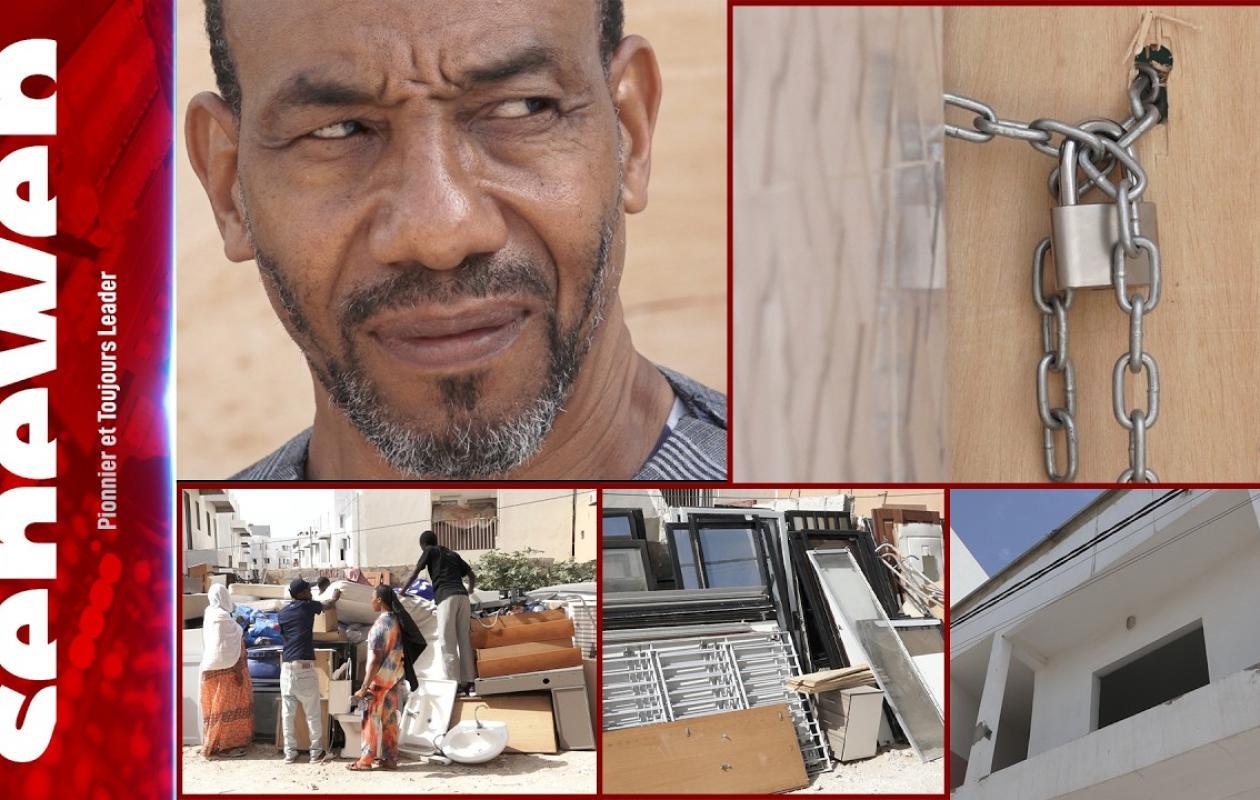
This ambiguity also fuels land grabbing. Irregular allocations or contested registrations can transform collective use rights into private property concentrated in the hands of a few. In some regions, land long used by communities has been repurposed for industrial or real estate projects, sparking social unrest.
Attempts at land reform are hampered by the political complexity of the issue. Clarifying rights requires redefining the balance between local authorities, central government, and customary landowners. The challenge lies in providing legal security for occupants without encouraging excessive commodification of land that would exacerbate inequalities.
The debate surrounding land titles and occupancy rights thus transcends legal technicalities. It touches upon trust in the state, social justice, and the capacity to plan urban and rural development. As long as this duality remains poorly articulated, land will continue to be a source of uncertainty, economic stagnation, and persistent conflict.






![[Billet d’humour] Diomaye Président : Mbour, le test qui interroge](https://image.seneweb.com/content/news/2026-19-10//thumb_1260x800_6a008342c328b_0bscHsJLlN.jpeg)










Commentaires (5)
Participer à la Discussion
Règles de la communauté :
💡 Astuce : Utilisez des emojis depuis votre téléphone ou le module emoji ci-dessous. Cliquez sur GIF pour ajouter un GIF animé. Collez un lien X/Twitter, TikTok ou Instagram pour l'afficher automatiquement.