Sur l’île de Gorée, les voix panafricanistes réclament justice et réparations pour les crimes coloniaux
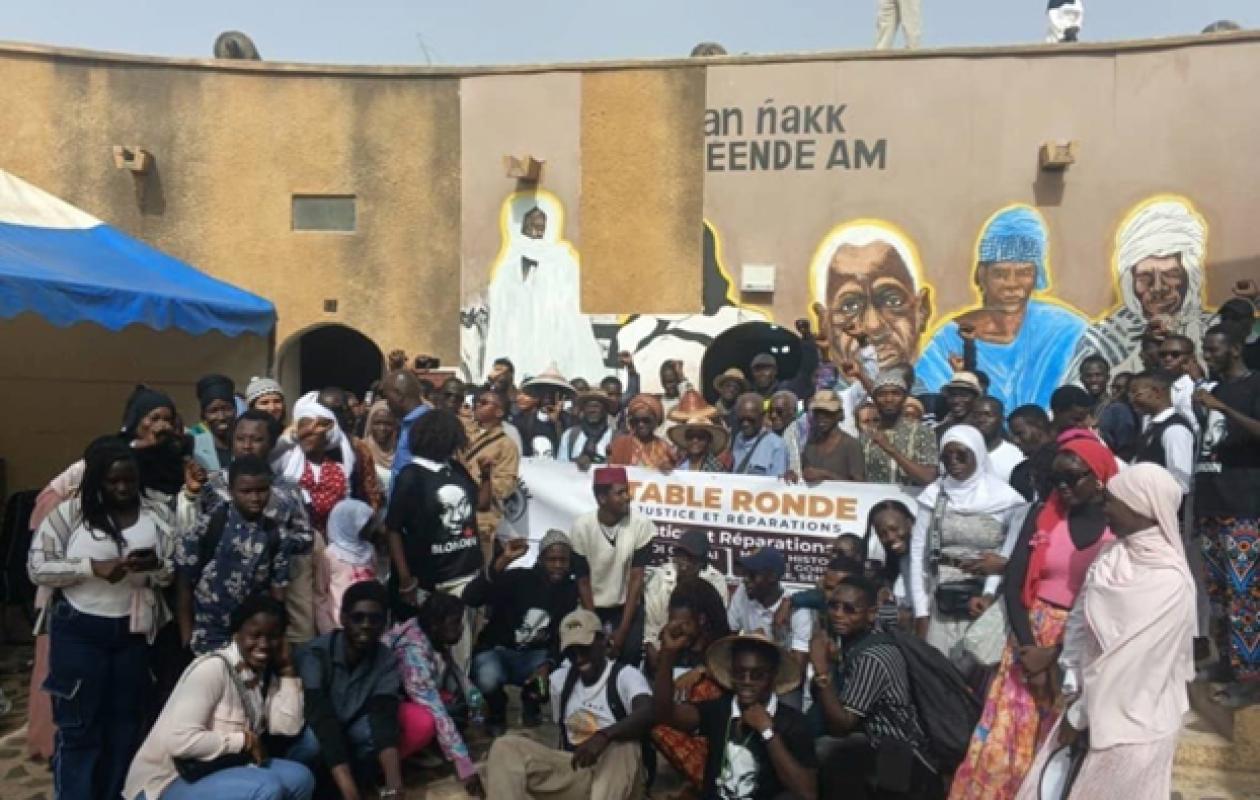
On May 9th, Gorée Island hosted a roundtable discussion on the issue of reparations for colonial and neo-colonial crimes committed in Africa. Organized by the International Movement for Reparations (MIR) and Africa First, the meeting, themed " Justice and Reparations ," brought together academics, pan-African activists, representatives of associations, and many young Senegalese to discuss a debate that has become central in several African countries.
At the heart of the discussions was the need for Senegal and African states to officially make demands for reparations against France for crimes related to slavery, colonization and neocolonialism, including the Thiaroye massacre of December 1, 1944.
This meeting takes place in a particular context marked by the adoption, at the end of March, of a UN resolution , sponsored by Ghana, recognizing slavery and colonialism as among the most serious crimes against humanity. The participants, however, felt that this diplomatic progress must now lead to concrete actions to ensure it does not remain merely symbolic.
The choice of Gorée as the conference venue also carried strong symbolic significance. The island remains one of the main symbols of the slave trade on the West African coast between the 15th and 19th centuries.
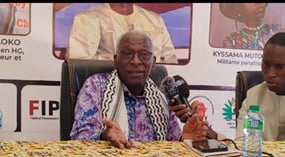
Key speakers included Dr. Dialo Diop, Pastef vice-president in charge of pan-Africanism and special advisor to the President of the Republic, Saliou Diop, teacher-researcher and pan-Africanist sociologist, as well as historian Mouhamed Goloko, a native of Thiaroye.
During his speech, Mouhamed Goloko stated that Senegal absolutely had to compile a complete file listing all the injustices suffered from slavery to neocolonialism in order to initiate a genuine reparation process with France.
" We must try to list all the injustices that Senegal has suffered under slavery, colonization and neocolonialism ," he said, stressing the need to restore " historical truth " and give dignity back to the African victims of the colonial system.
The historian also emphasized the need to deconstruct narratives inherited from the colonial period in order to promote a history written " by Africans and for Africans ." Referring to Thiaroye, he denounced what he called a " state lie " surrounding the massacre perpetrated by French authorities.
The Thiaroye massacre remains one of the most controversial episodes in French colonial history in Africa. In November 1944, African soldiers returning from World War II demanded payment of their unpaid back wages after fighting for France. Faced with their protest, French forces opened fire on them at the Thiaroye camp, near Dakar. The exact number of victims remains unknown. French authorities cite several dozen deaths, while many researchers believe the actual toll could reach several hundred African victims.
For his part, Saliou Diop stressed the need to adopt a legal and collective approach on a pan-African scale. He recalled the recent decision by a Parisian court condemning the French state for concealing the circumstances surrounding the death of an African rifleman during the Thiaroye massacre.
According to the researcher, France continues to refuse genuine dialogue on reparations and the recognition of historical responsibilities. He called on African states to take their cases to African and international courts in order to build leverage that could move the issue forward.
" Before even talking about reparations or justice, they need to be able to acknowledge ," said Saliou Diop, arguing for the creation of a solid legal case supported by archives and historical evidence.
The speakers also denounced the attitude of the former colonial powers during the vote on the UN resolution, noting that France had chosen to abstain. For them, this position illustrates a persistent reluctance to acknowledge past crimes and engage in serious dialogue on reparations.
Dialo Diop, for his part, criticized what he considers the hypocrisy of a French state presenting itself as a defender of human rights while bearing the legacy of colonial crimes. He also denounced the loss of credibility of international institutions in the face of these historical issues.
The participants unanimously emphasized that the Thiaroye massacre should not be considered solely a Senegalese affair. The riflemen killed in 1944 came from several African territories, which, in their view, necessitates a continental approach to remembrance and reparations.
For Mouhamed Goloko, the resolution put forward by Ghana thus constitutes "a beginning" that must now be followed by a collective mobilization of African states. According to him, no single African nation possesses the necessary diplomatic clout to wage this battle of historical memory and legal justice against the former colonial powers.
The Gorée meeting ultimately emerged as a new stage in the rise of pan-African demands for reparations. Between the work of remembrance, demands for justice, and the desire to rewrite African history, the participants affirmed their commitment to transforming symbolic debates into concrete political and legal actions.








Commentaires (5)
Participer à la Discussion
Règles de la communauté :
💡 Astuce : Utilisez des emojis depuis votre téléphone ou le module emoji ci-dessous. Cliquez sur GIF pour ajouter un GIF animé. Collez un lien X/Twitter, TikTok ou Instagram pour l'afficher automatiquement.