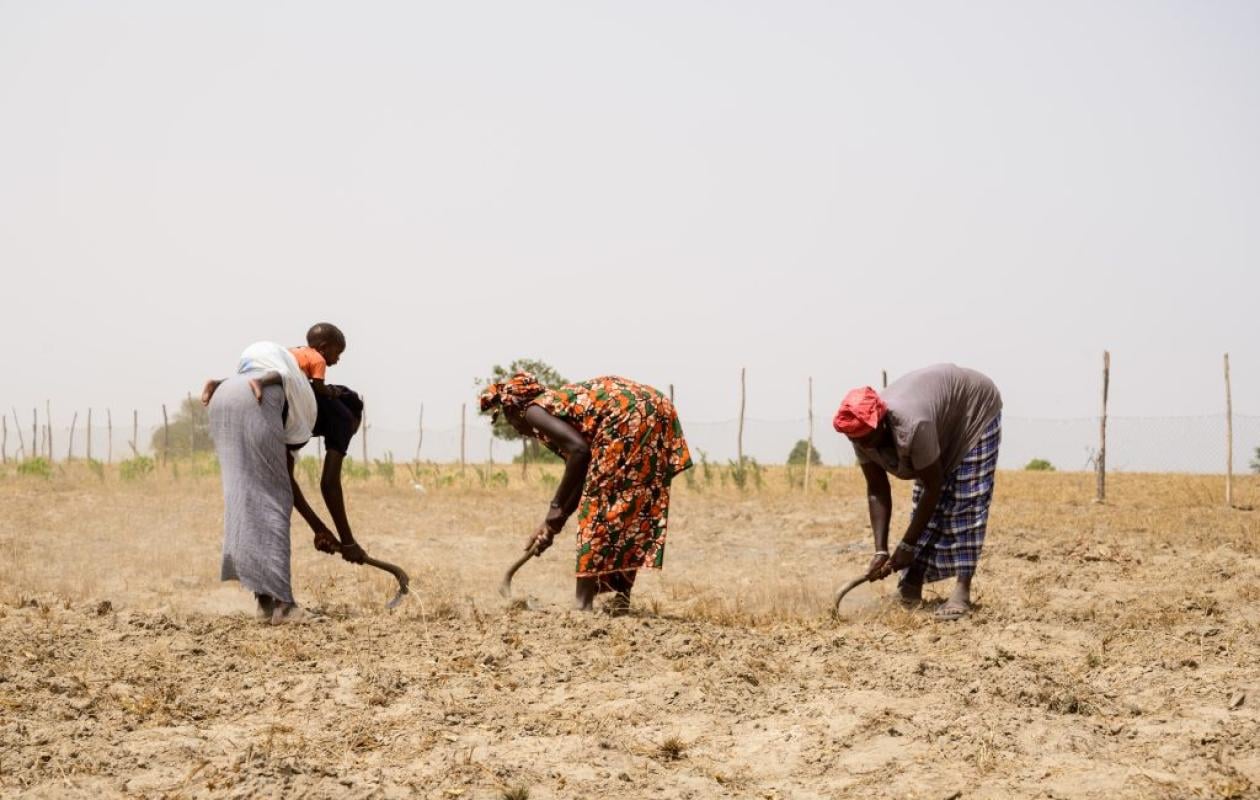
Relance de la réforme foncière : Ne pas marginaliser les communautés de base qui en sont les premières bénéficiaires
In order to contribute to an adapted and inclusive reform of the land system in Senegal, the members of the Framework for Reflection and Action on Land in Senegal (CRAFS) met in conclave in Thiès, around a strategic evaluation approach of the new directions in land governance.
A meeting was held that allowed local stakeholders to assess existing land policies and identify the most relevant options for effectively reforming the national land system. The meeting was chaired by Séckou Omar Diédhiou, Director of Territorial Development Promotion, on behalf of the Ministry of Urban Planning, Local Authorities, and Territorial Development.
The discussions addressed the progress of dynamics and policies related to land governance, with a view to transforming the current framework. This was also an opportunity to recall that consultations have already begun within the framework of Act 4 of decentralization and the reform of territorial hubs.
Séckou Diédhiou reminds us that the land issue, perceived as a sensitive and central territorial resource, is integrated into the reflections related to Act 4 of decentralization and the reorganization of territorial hubs.
He clarified, however, that land management does not fall exclusively under his ministry's purview, even though it plays a role in legal and organizational matters. He also mentioned the establishment of a framework for reflection aimed at defining an appropriate methodology and guiding decisions toward a reform deemed satisfactory for the country.
Addressing the issue of land registration, the executive director of the Pan-African Institute for Citizenship, Consumers and Development, Amadou Kanouté, also a member of CRAFS, revisited the positions defended by the framework, excluding the option of generalized registration conferring an irrevocable right of ownership.
He emphasized the need to develop policies that take into account the limited financial resources of a large segment of the population. He believes that reform must enable the mobilization of local resources to support inclusive development, without marginalizing the grassroots communities that are its primary beneficiaries.







![[EXCLUSIF] Actes contre nature : Un nouveau réseau démantelé, un célèbre journaliste de télé cité](https://image.seneweb.com/content/news/2026-09-27//thumb_1260x800_69a20e8d06dd4_2e752tuGgX.jpeg)












Commentaires (1)
Participer à la Discussion
Règles de la communauté :
💡 Astuce : Utilisez des emojis depuis votre téléphone ou le module emoji ci-dessous. Cliquez sur GIF pour ajouter un GIF animé. Collez un lien X/Twitter, TikTok ou Instagram pour l'afficher automatiquement.