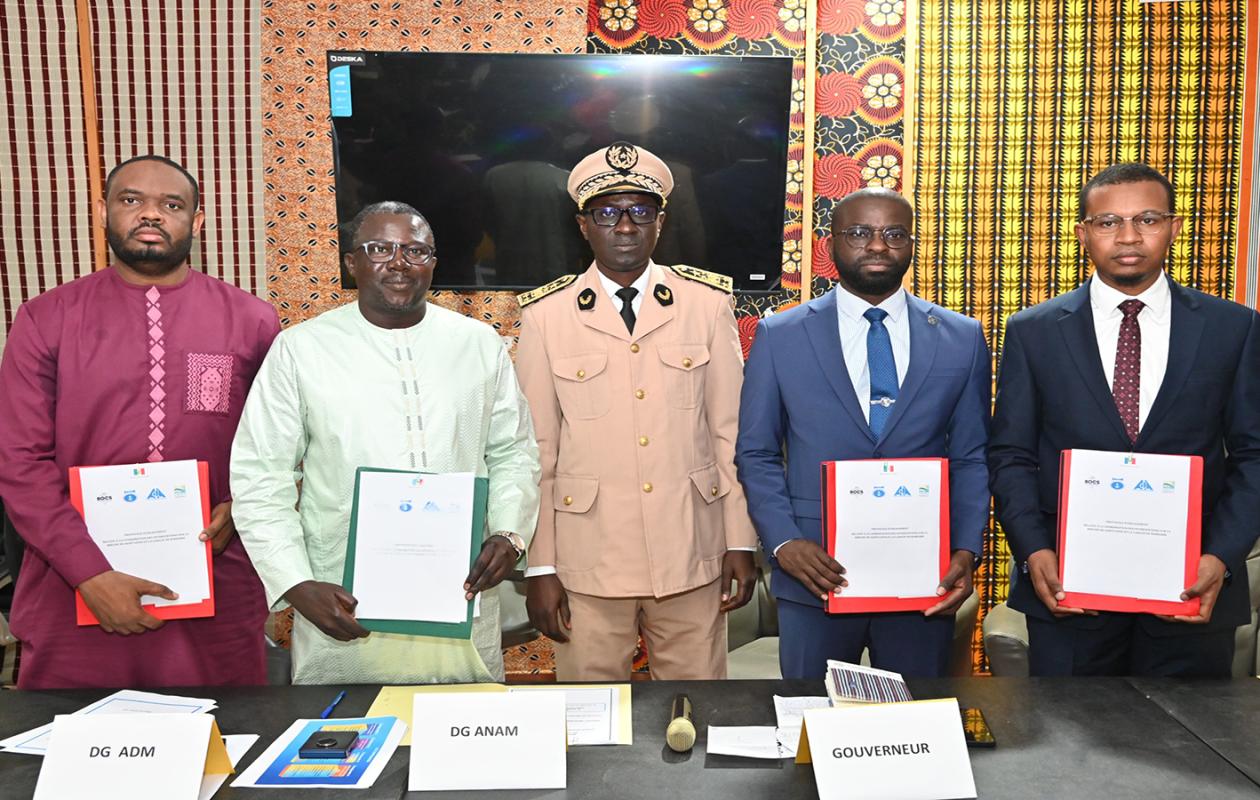
Brèche de Saint-Louis : l'ADM, l'ANAM, et la SOGENAV scellent un partenariat historique pour un projet intégré
On the sidelines of the national workshop held in Saint-Louis on the issue of the Breach, three key institutions signed a partnership protocol on Wednesday, March 25, 2026, committing to the dynamics of an integrated and sustainable solution to one of the most worrying environmental and humanitarian crises in Senegal.
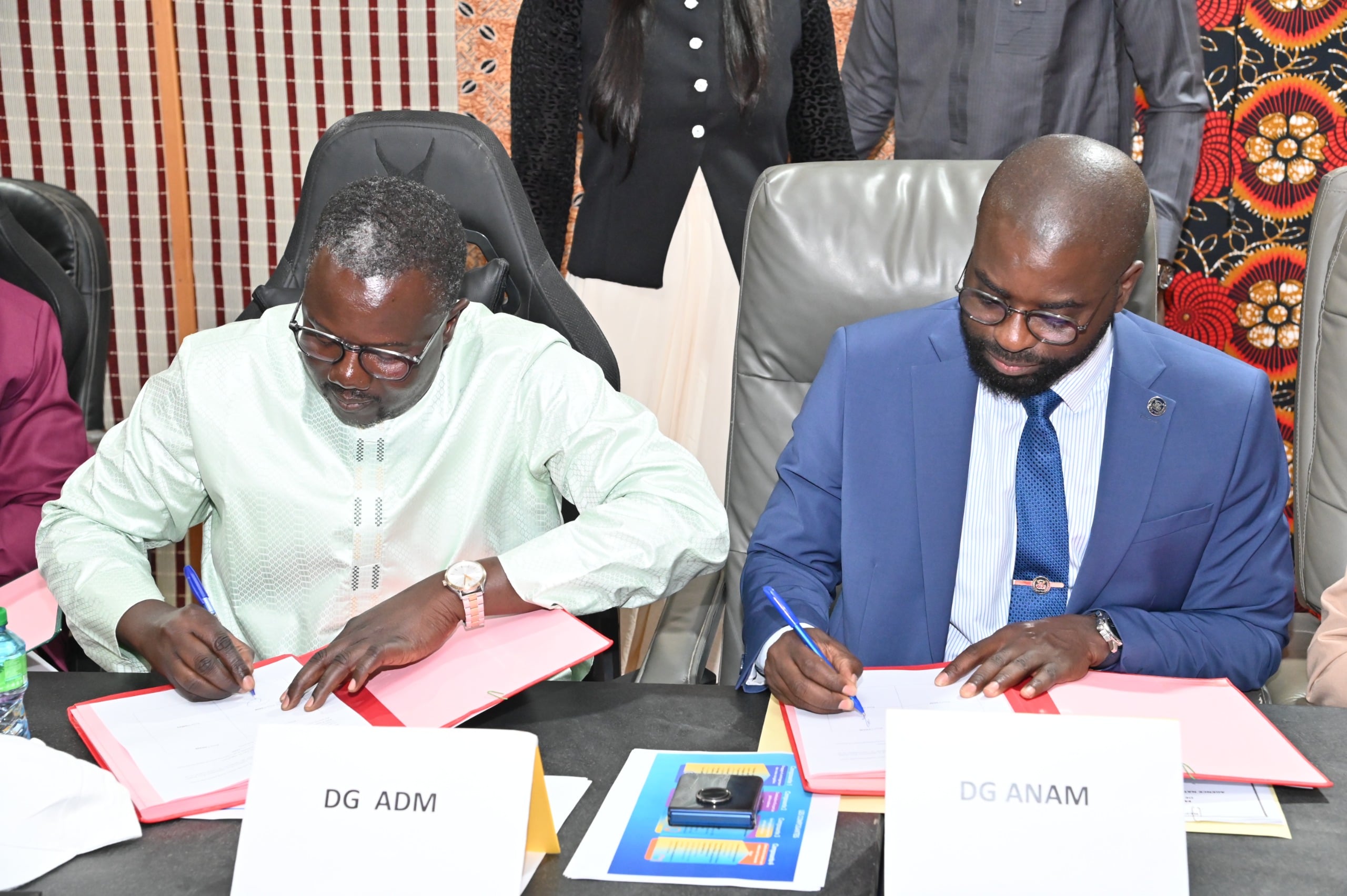
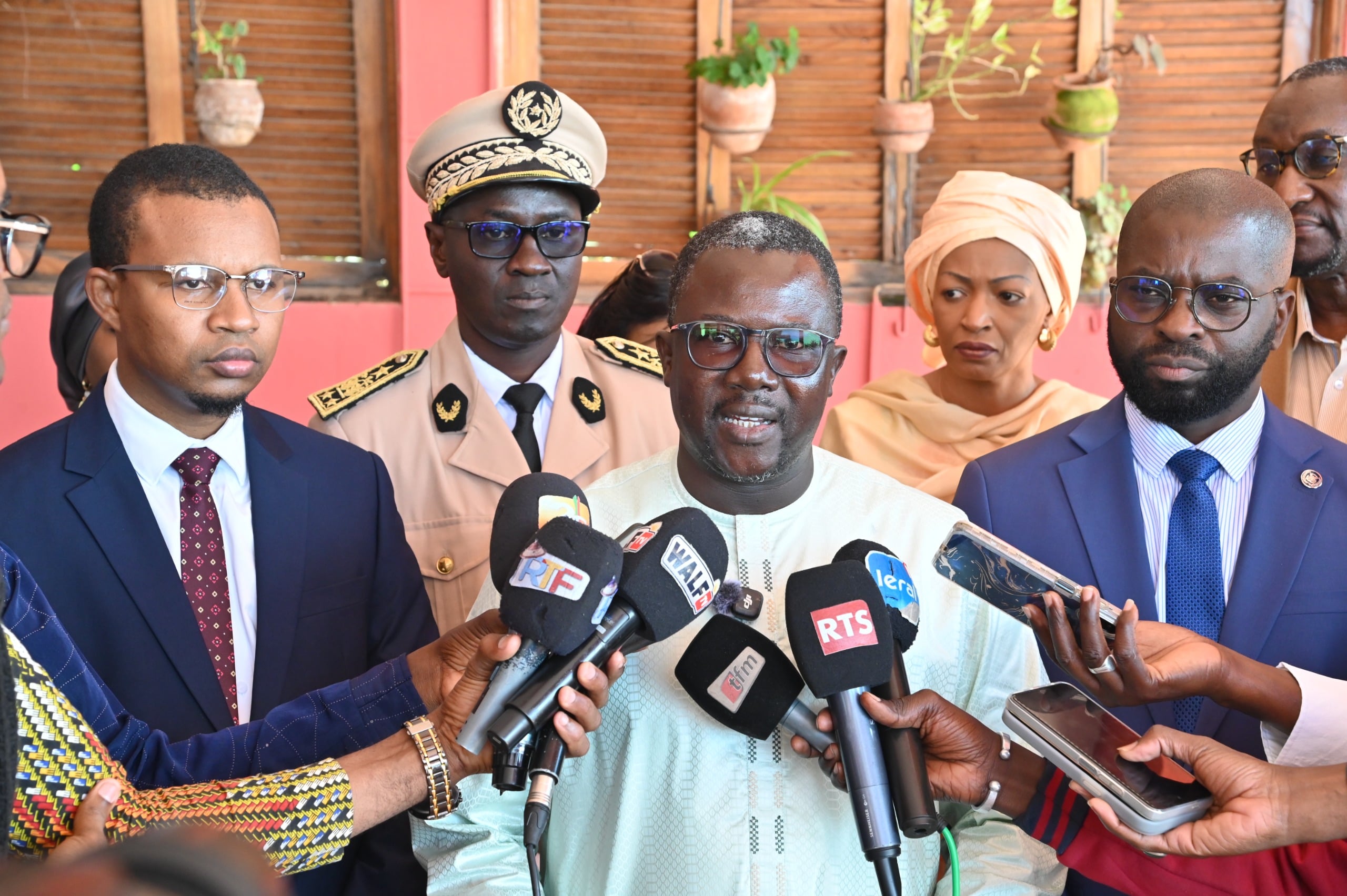
Under the watchful eyes of the Deputy Governor of the Saint-Louis region, the Mayor of Saint-Louis, and numerous national and regional institutional representatives, a decisive step was taken on Wednesday, March 25th. The National Maritime Affairs Agency (ANAM), the Municipal Development Agency (ADM), and the Navigation Management and Operations Company (SOGENAV) officially signed a partnership agreement designed to coordinate their actions around the Saint-Louis Breach and to jointly implement an ambitious integrated project.
Opened in October 2003 through the Langue de Barbarie to protect the city of Saint-Louis from imminent flooding, the breach has gradually become a gaping wound several kilometers wide. Since then, coastal erosion has ravaged entire villages like Doun Baba Dièye and Pilote-Barre, saltwater intrusion has devastated farmland, and navigation at the river mouth has become a true nightmare. ANAM (National Agency for Maritime Affairs) has recorded more than five hundred accidents and more than four hundred deaths among fishermen between 2003 and 2024. A human tragedy that repeats itself, season after season.
Dutch experts commissioned in 2014 and 2015 had already raised the alarm about the site's accelerated degradation. Two decades later, ANAM's findings confirm the worsening situation: multiple breaches threatening the Langue de Barbarie, chronic instability of the channel, and the progressive submersion of inhabited areas. Emergency dredging and buoyage work, while beneficial, remains insufficient given the scale of the problem.
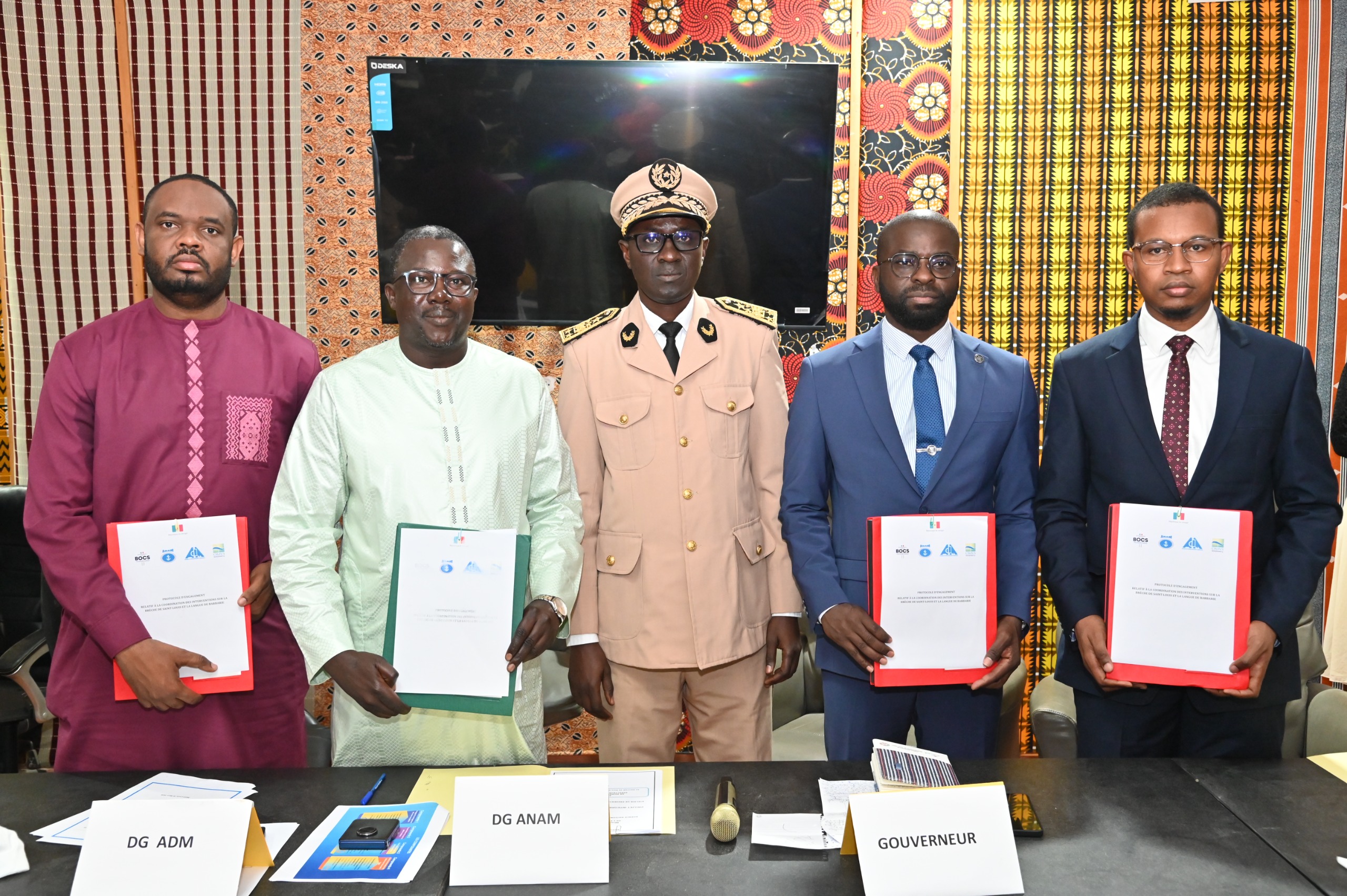
It is precisely in this context of urgency that the signing of Wednesday's protocol takes on its full significance. By bringing together ANAM, ADM and SOGENAV under a single agreement, the State of Senegal is taking a decisive step: that of institutional coordination, long identified as the missing link in the response to the crisis.
In his address, Dr. Mahmouth Diop, Director General of ADM, emphasized the importance of this integrated approach: “I have no doubt that this partnership agreement will contribute significantly to aligning initiatives and projects related to the breach and coastal erosion in Saint-Louis.” Drawing on its experience as the project owner for major development programs such as PROGEP and SERRP, and its expertise in resilient urban planning, ADM is committed to leveraging all available resources for the rapid implementation of the project.
The Director General of ANAM, Mr. Bécaye Diop, for his part, recalled the urgency of strong and centralized governance, the only way to provide a response commensurate with the multidimensional challenges — maritime security, coastal stabilization, socio-economic development and climate resilience — posed by the Breach.
The signed protocol formalizes an integrated project built around three complementary pillars. First, the dredging and sustainable development of the channel linking La Brèche to the Polish port, to secure navigation and put an end to the devastating maritime disasters. Second, the construction of a modern fishing port combined with an offshore logistics base, designed to transform Saint-Louis into a true hub of the blue economy. Finally, the creation of a training center for maritime professions, to prepare Senegalese youth for the jobs of tomorrow.
This project benefits from the active support of the Kingdom of the Netherlands, whose National Environmental Assessment Commission (CNEE) has dispatched a team of experts to share lessons learned from similar experiences and to support the development of nature-based solutions. The Dutch Ambassador to Senegal, present at the ceremony, reaffirmed his country's commitment to supporting Senegal in this fight for coastal resilience.
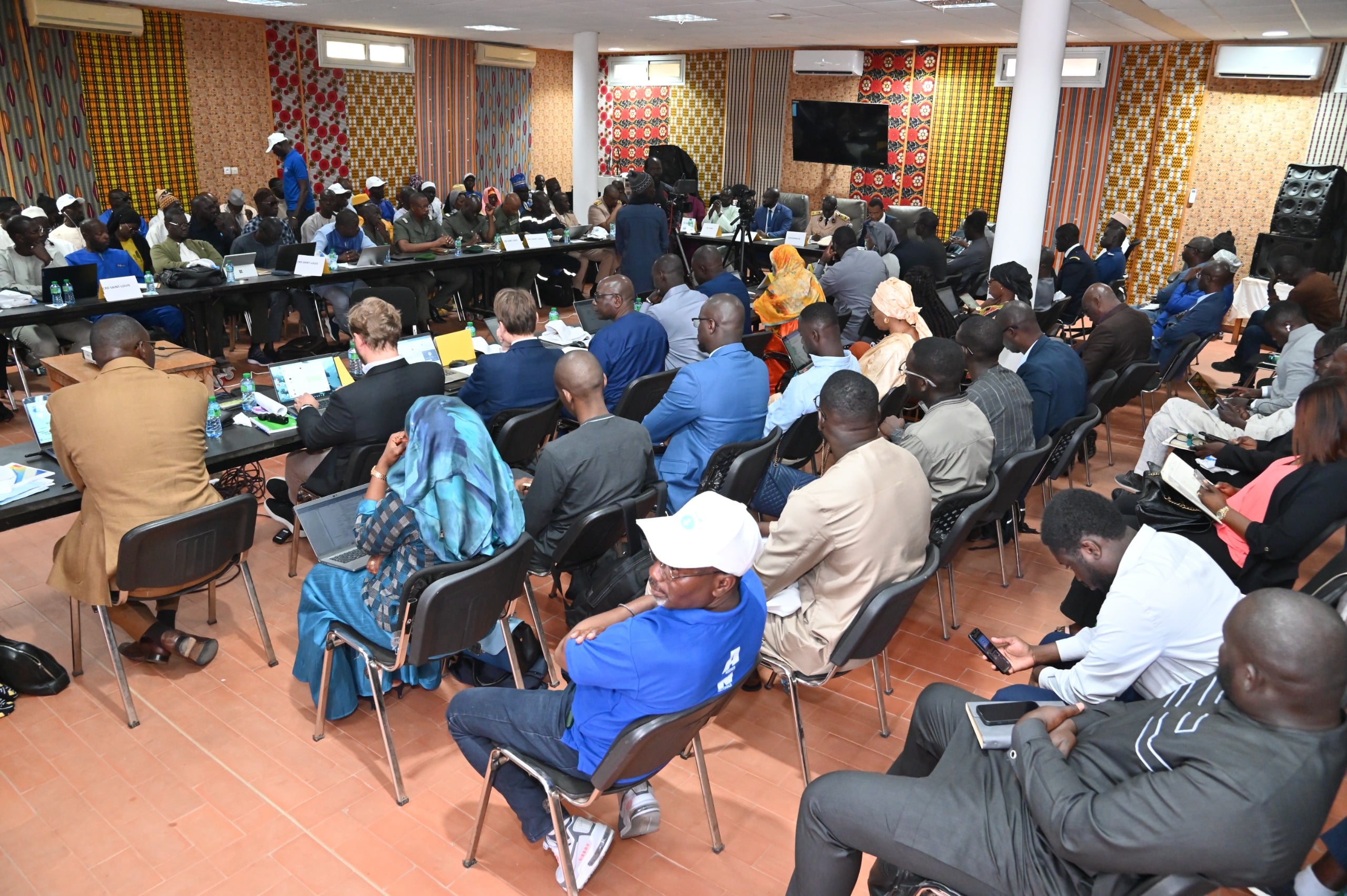
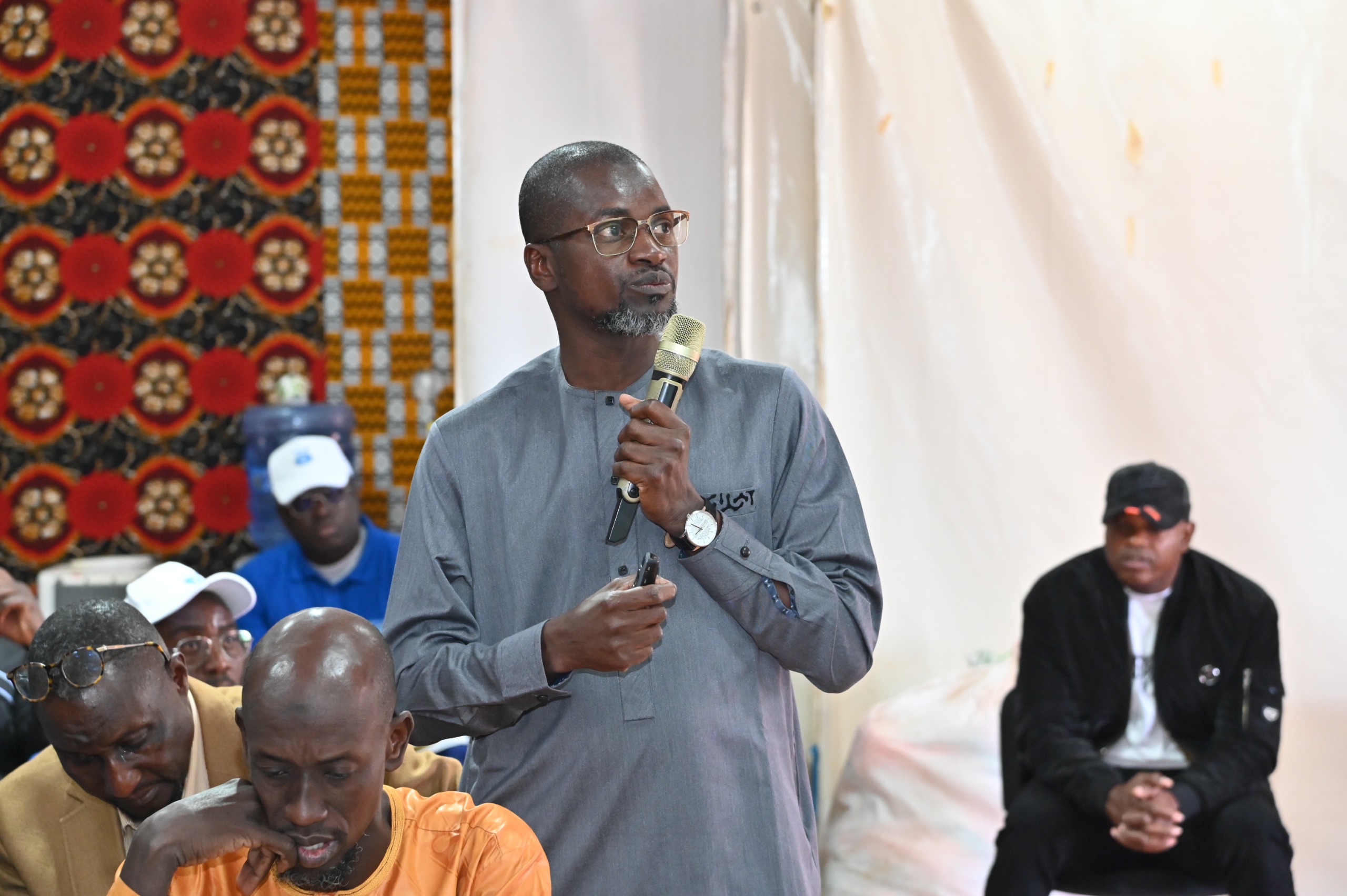
The workshop brought together all stakeholders—national institutions, regional authorities, local communities, fishermen's organizations, Gaston Berger University, and technical and financial partners—around a shared roadmap. The discussions, facilitated by Senegalese and Dutch experts, helped refine governance guidelines and strengthen community support.
The signing on March 25th in Saint-Louis is not an end in itself, but rather the starting point of a new dynamic. For the thousands of fishermen, residents, and vulnerable communities of the Langue de Barbarie, it perhaps represents the most tangible hope that a response commensurate with the disaster is finally underway.
It is worth recalling that the ADM is implementing the Saint-Louis Emergency Recovery and Resilience Project (SERRP) in Saint-Louis, which is a response to the dramatic consequences of the 2017 and 2018 climate hazards that struck the Saint-Louis region. The project aims to relocate approximately 15,000 people displaced from the Langue de Barbarie to the Diougop site , in the Commune of Gandon.













Commentaires (4)
Participer à la Discussion
Règles de la communauté :
💡 Astuce : Utilisez des emojis depuis votre téléphone ou le module emoji ci-dessous. Cliquez sur GIF pour ajouter un GIF animé. Collez un lien X/Twitter, TikTok ou Instagram pour l'afficher automatiquement.