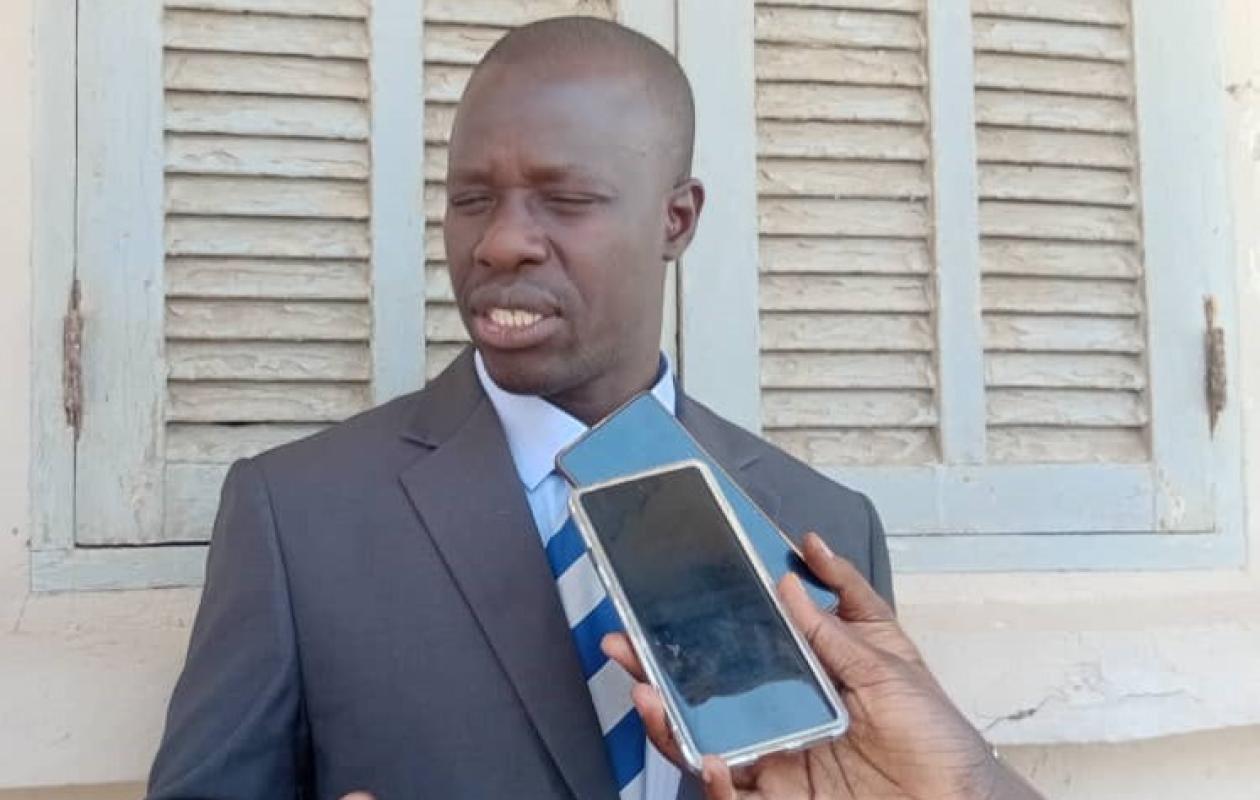
Saint-Louis : le magistrat Cheikh Seye présente son livre sur l’État civil et propose des pistes de réformes
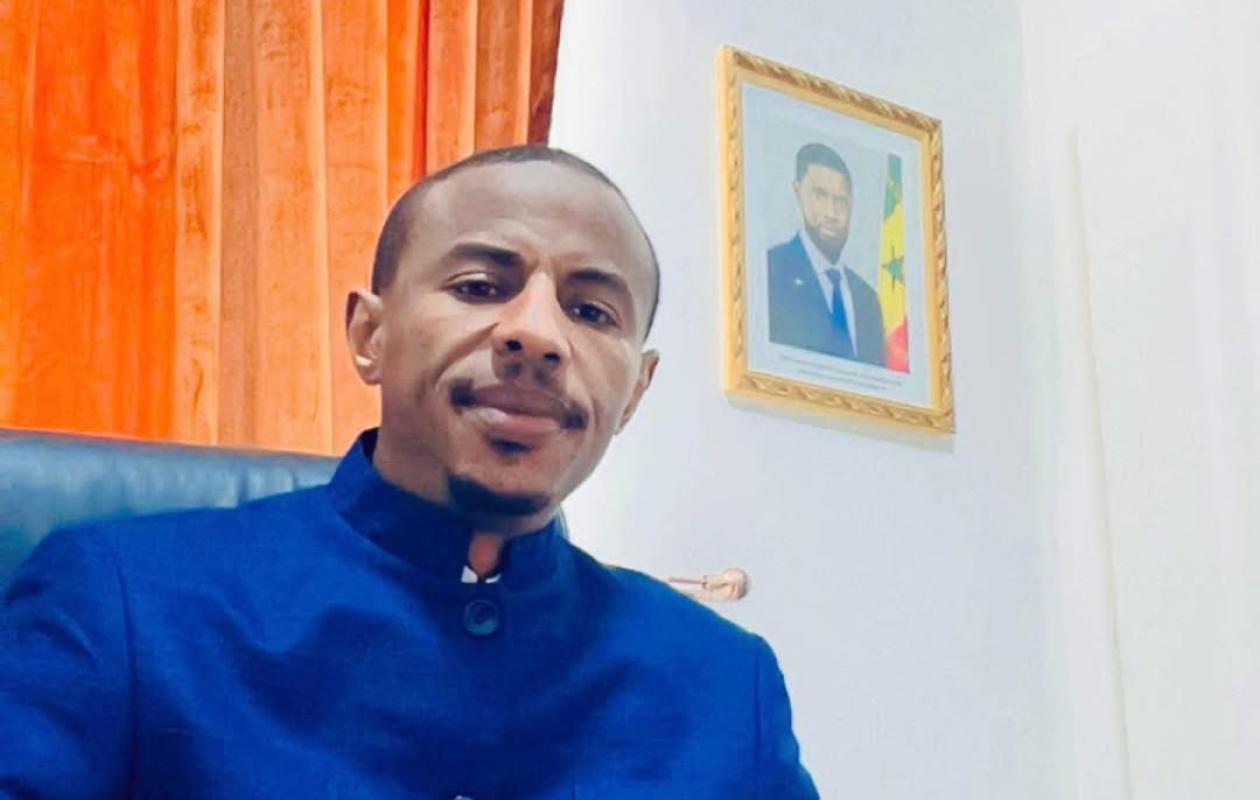
A seasoned magistrate and expert on civil registration, Cheikh Seye presented his new book, "The Senegalese Civil Registration System: Between Situation and Recommendations," on Saturday in Saint-Louis. In this book, the president of the District Court offers a frank assessment of a system fundamental to citizenship and proposes concrete avenues for effective and lasting reform.
The presentation ceremony, held at the Research and Documentation Center of Senegal (CRDS), brought together prominent legal and academic figures. Discussions highlighted the numerous challenges facing the Senegalese civil registry, focusing on three major issues identified by the author: accessibility, training of personnel, and the security of official documents.
On the issue of accessibility, Cheikh Seye advocates for modernizing the system to bring the administration closer to citizens. The digitization and dematerialization already underway at the judicial level should gradually reduce the need for people to travel to civil registry offices and courts. "We must facilitate access to services, especially for citizens living in remote areas or facing geographical constraints," he emphasizes.
The challenge of training, however, appears to be the crux of the problem. According to the magistrate, the system's weakness lies largely in the civil registrars' lack of knowledge or poor application of regulations. He therefore recommends the creation of a genuine corps of civil registrars, better trained, reorganized, and, above all, with more stable positions. "If we manage to meet this challenge, we will have resolved nearly fifty percent of the difficulties," he believes, noting that the errors made often cause significant harm to citizens.
Securing legal documents constitutes the third pillar of the proposed reforms. Here again, digitization and archiving play a central role, but Cheikh Seye cautions against a purely technological approach. “Digitization is essential, but it’s not enough. You have to know what to digitize and how to do it,” he warns, emphasizing the need for accompanying measures to guarantee data reliability. According to him, digital technology should complement, not completely replace, physical records, in order to prevent the risk of information loss or corruption.
The author also addresses the sensitive issue of mobile court hearings, provided for by regulations to allow remote populations access to justice. While their usefulness remains undeniable for certain specific communities, particularly transhumant populations, fishermen, or families living outside their place of origin, these hearings raise concerns about security and the reliability of testimonies. Cheikh Seye therefore calls for greater rigor in their organization and envisions, in the long term, their gradual elimination in favor of solutions better suited to the digital transition.
The magistrate also advocated for the organization of a national forum on civil registration, in order to harmonize levels of information and understanding surrounding this crucial issue. "The difficulties with civil registration directly impact the lives of citizens, from birth to access to fundamental rights. A collective awareness is needed to find lasting solutions together," he concluded.
With this work, Cheikh Seye opens an essential debate and lays the foundations for a national reflection on the reform of civil status, an essential pillar of the rule of law and citizenship in Senegal.



















Commentaires (3)
Participer à la Discussion
Règles de la communauté :
💡 Astuce : Utilisez des emojis depuis votre téléphone ou le module emoji ci-dessous. Cliquez sur GIF pour ajouter un GIF animé. Collez un lien X/Twitter, TikTok ou Instagram pour l'afficher automatiquement.