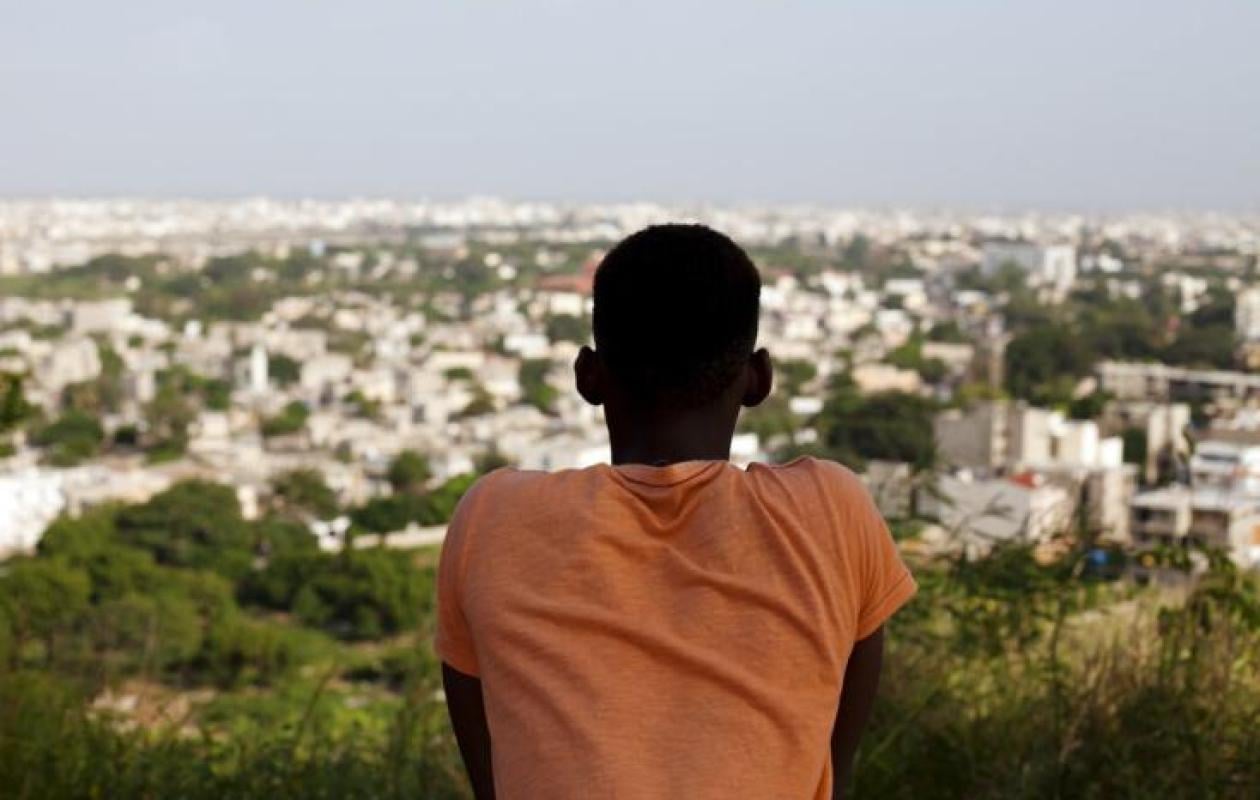
Sénégal : face à la « traque », l'association STOP Homophobie enregistre une vague de demandes d'asile
The Paris-based association STOP Homophobie has sounded the alarm, announcing that it received 18 requests for assistance in leaving Senegal in just a few days. Faced with what they consider a "dramatic" climate, a growing number of members of the Senegalese LGBT+ community are considering exile, primarily to neighboring Gambia, to escape violence, threats, and family expulsions. Terrence Khatchadourian, the association's secretary general, emphasizes that they all now fear arrest and serious violations of their privacy.
This desperate flight is a direct consequence of an unprecedented intensification of repression against homosexuality in Senegal. The country is rocked by a series of arrests—at least thirty according to local media—triggered by denunciations and systematic searches of phones. The names of those arrested are being made public, provoking what human rights defenders are calling a veritable "public lynching."
A toughened legislative arsenal and health-related stigmatization
The government recently passed a bill to double the penalties for homosexual acts, increasing them from five to ten years in prison. The bill also stipulates three to seven years in prison for anyone who "advocates" homosexuality. This stricter legislation responds to the urgent demands of influential religious groups in a predominantly Muslim country where homosexuality is widely perceived as a deviance.
The debate is all the more heated because some of those arrested are accused of intentionally transmitting HIV. According to STOP Homophobie, using HIV status as incriminating evidence creates a major public health crisis by discouraging testing and access to care.
NGO concerns and local silence
While social media is rife with videos of assaults and inflammatory comments, dissenting voices are rare in Senegal. Denis Ndour, president of the Senegalese League for Human Rights, himself supported harsher penalties, calling homosexuals "sick." Conversely, experts like Marame Kane remind us that protection against humiliation is a "universal principle," regardless of cultural context.
Since 2021, Senegal has no longer been considered a safe country by the French Office for the Protection of Refugees and Stateless Persons (OFPRA). For those who cannot afford to flee, the testimony of Boubacar*, an exile, is chilling: "The only thing they can do is face death and wait."












Commentaires (25)
Participer à la Discussion
Règles de la communauté :
💡 Astuce : Utilisez des emojis depuis votre téléphone ou le module emoji ci-dessous. Cliquez sur GIF pour ajouter un GIF animé. Collez un lien X/Twitter, TikTok ou Instagram pour l'afficher automatiquement.